

What is appropriation?
- Show All
- Established
- Discoveries
- Show All
Artworks Related to Appropriation

Damien Hirst
Ala Met, from 40 Woodcut Spots, 2011
Limited Edition Print
Woodcut
GBP 25,000 - 30,000

Damien Hirst
Methionine, 2010
Limited Edition Print
Woodcut
GBP 22,000 - 30,000
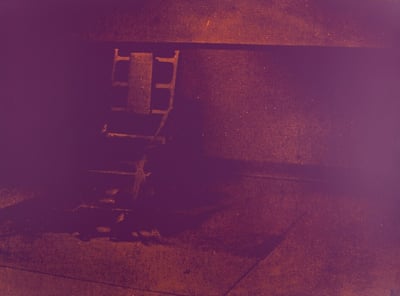
Andy Warhol
Electric Chair (F. & S. II.76), 1971
Limited Edition Print
Screen-print
GBP 19,000 - 25,000

Damien Hirst
H12-5 (X-Large), 2023
Limited Edition Print
Giclée printing
GBP 12,000 - 16,000
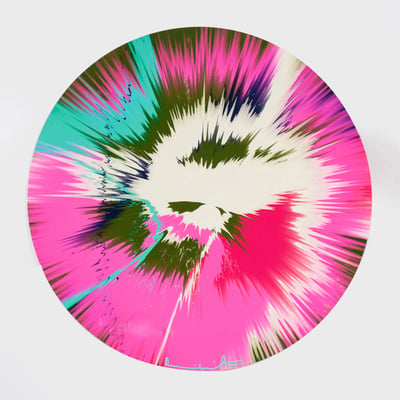
Damien Hirst
H12-2 (Large), 2023
Limited Edition Print
Giclée printing
GBP 7,000 - 10,000
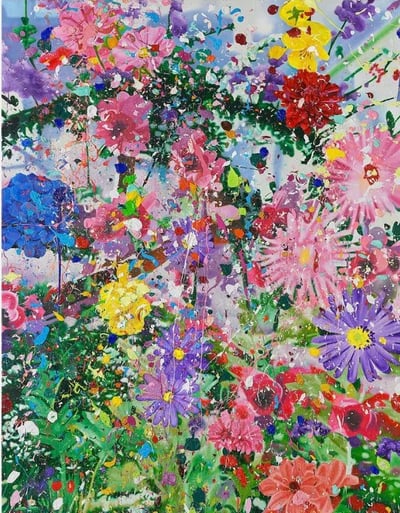
Damien Hirst
H14-1 Realisation (from the Secrets), 2024
Limited Edition Print
Giclée printing
GBP 7,800
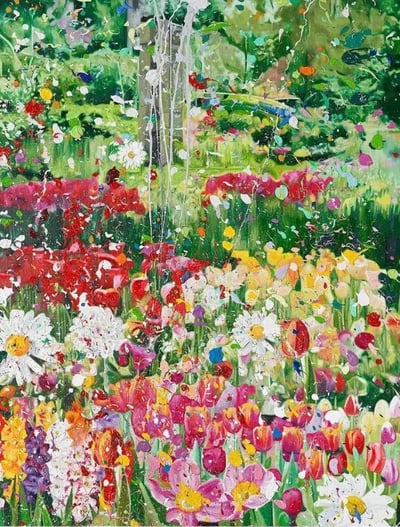
Damien Hirst
H14-4 Wisdom (from the Secrets), 2024
Limited Edition Print
Giclée printing
GBP 7,800

Invader
Alert Special (Blue), 2021
Limited Edition Print
Screen-print
GBP 5,000 - 8,000
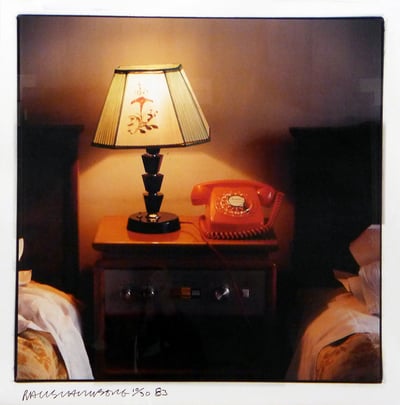
Robert Rauschenberg
Studies for Chinese Summerhall, Painted Lamp, 1983
Photography
C-Print
EUR 15,500
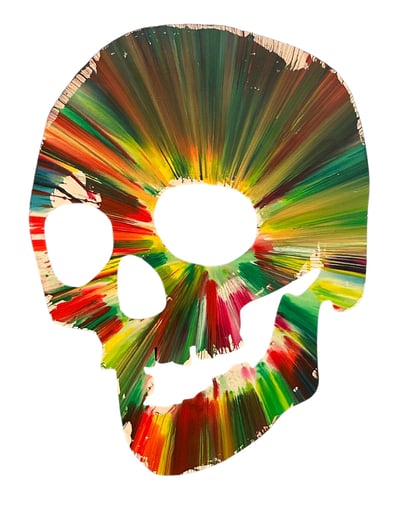
Damien Hirst
Skull Spin Painting, 2009
Painting
Acrylic on paper
EUR 11,900
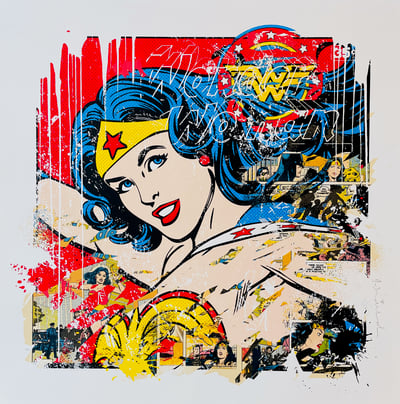
Mr. Brainwash
Shero, 2020
Limited Edition Print
Screen-print
EUR 2,950
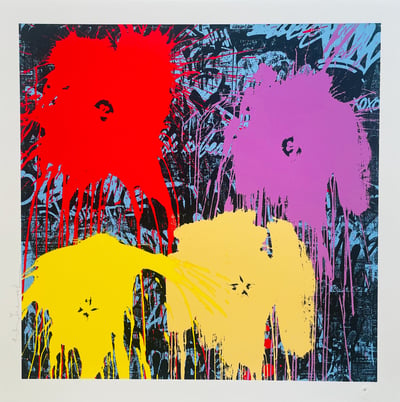
Mr. Brainwash
Flowarh$ (Variation Red), 2021
Limited Edition Print
Screen-print
EUR 2,500
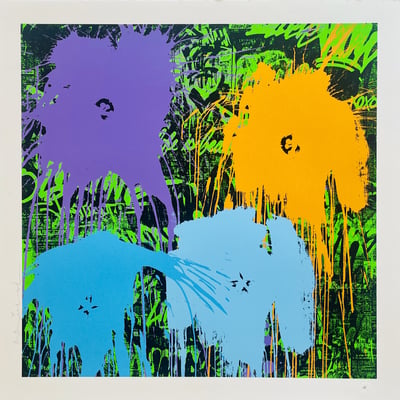
Mr. Brainwash
Flowarh$ (Variation Blue), 2021
Limited Edition Print
Screen-print
EUR 2,500
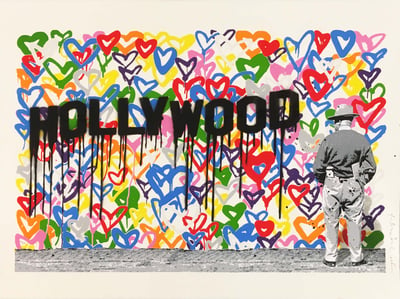
Mr. Brainwash
Hollywood, 2016
Limited Edition Print
Screen-print
USD 1,600
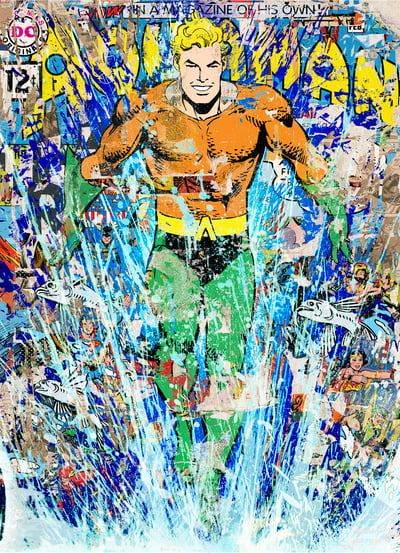
Mr. Brainwash
Aquaman, 2018
Limited Edition Print
Screen-print
EUR 3,700
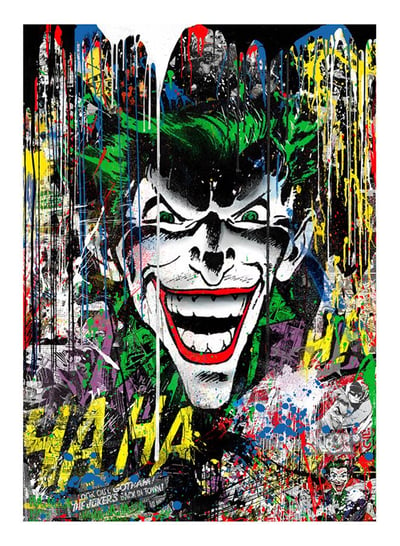
Mr. Brainwash
The Joker, 2019
Limited Edition Print
Screen-print
EUR 3,500
Related Articles

New Topographics is a term coined in 1975 by curator William Jenkins to describe a group of photographers whose work focused on formal black-and-white images of urban and industrial landscapes. Jenkins initially described their aesthetic as banal, but the photographers themselves argued that their compositions were as significant as those of natural landscapes, emphasizing the beauty in everyday, man-made environments.
Constructivism is an architectural and artistic philosophy of Russian origin that emerged as a rejection of the idea of autonomous art. The movement advocated for art to serve practical social purposes. Since its inception in 1919, Constructivism has evolved and significantly impacted 20th-century art movements, influencing major trends such as De Stijl and Bauhaus.
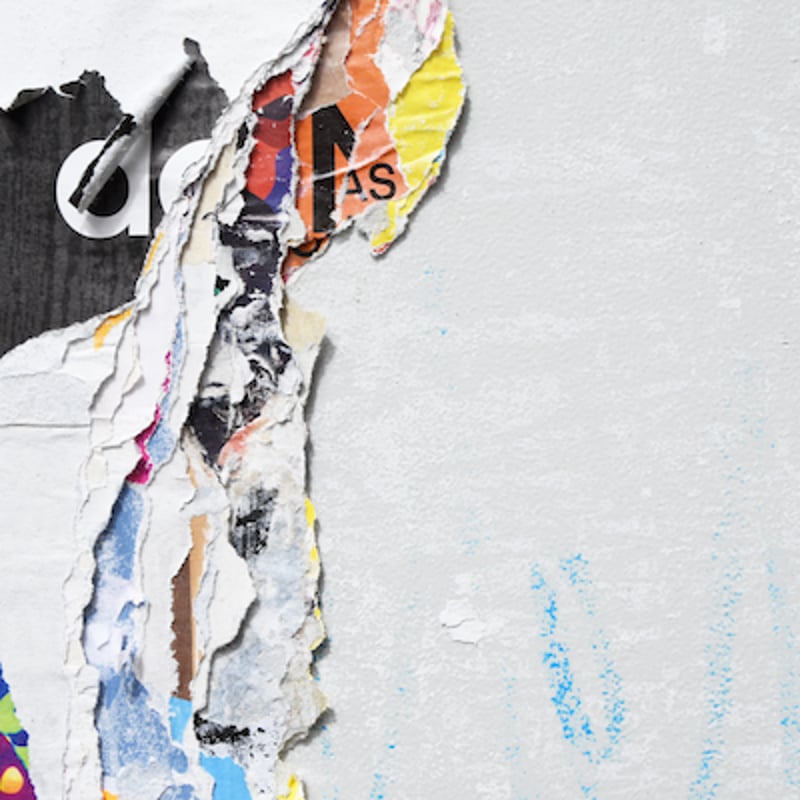
Décollage is an art technique involving the removal, cutting, or tearing away of parts of an original image. The term comes from the French word meaning to take off or to unstick. Artists use this method to challenge or replace existing values, often symbolically tearing away influences from media or conventional thinking.
Can't find your Answer?
Thank you! Your question has been sent — we'll get back to you shortly.
