
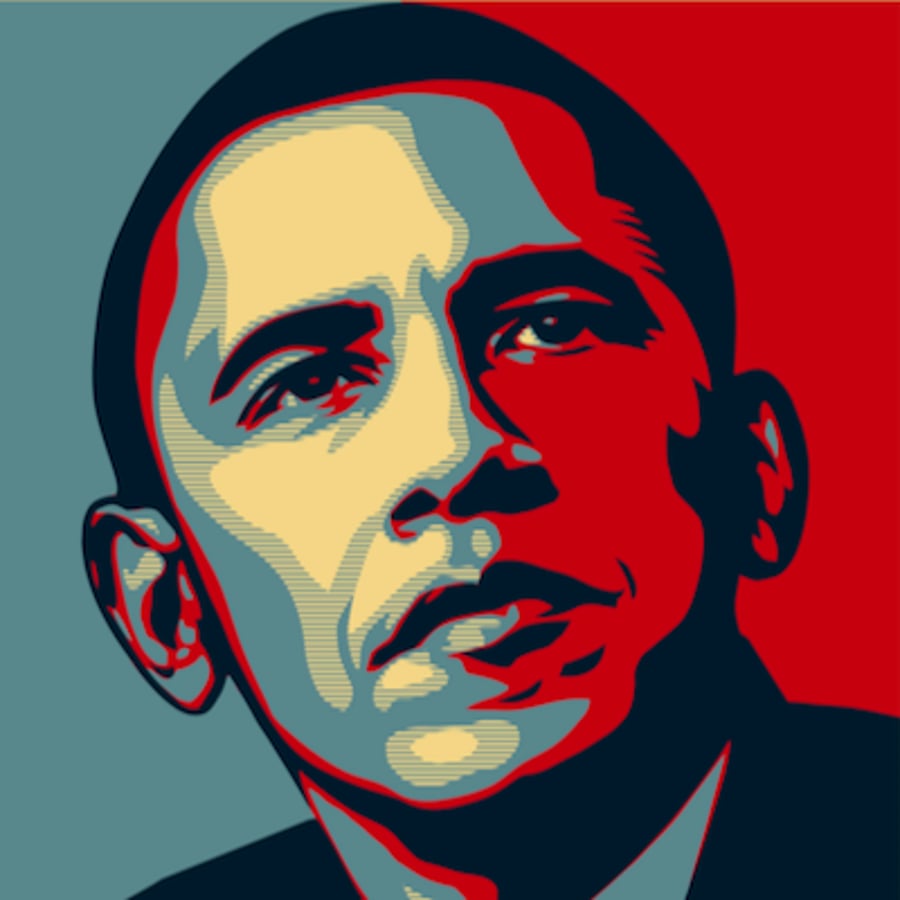
What is appropriation?
- Show All
- Established
- Discoveries
- Show All
Artworks Related to Appropriation

KAWS
Four foot - grey dissected, 2009
Sculpture / Object
Mixed Media
USD 100,000 - 110,000
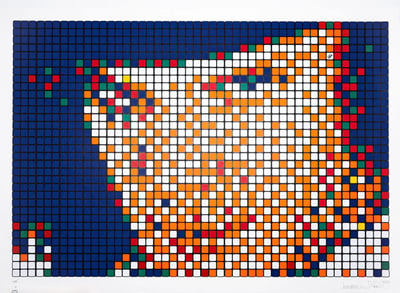
Invader
Rubik Kubrick I - Clockwork Orange (Alex), 2006
Limited Edition Print
Screen-print
GBP 4,000 - 7,000
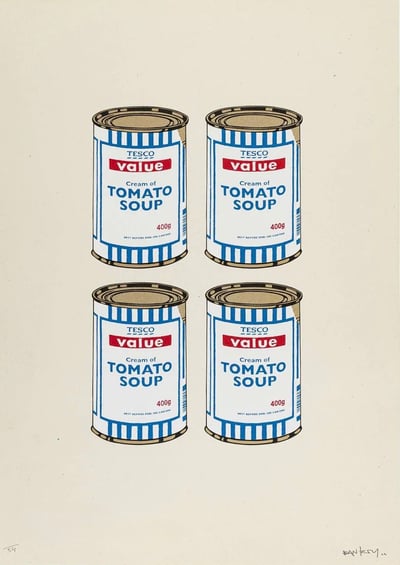
Banksy
Four Soup Cans - Gold on Cream, 2005
Limited Edition Print
Screen-print
GBP 40,000 - 60,000

Gerhard Richter
Küchenstuhl, 1965/2022
Limited Edition Print
Offset Print
GBP 2,100

Gerhard Richter
Seestucke (Sea View), 2021
Limited Edition Print
Offset Print
GBP 3,700

Gerhard Richter
Wolke (Cloud), 2021
Limited Edition Print
Offset Print
EUR 2,800
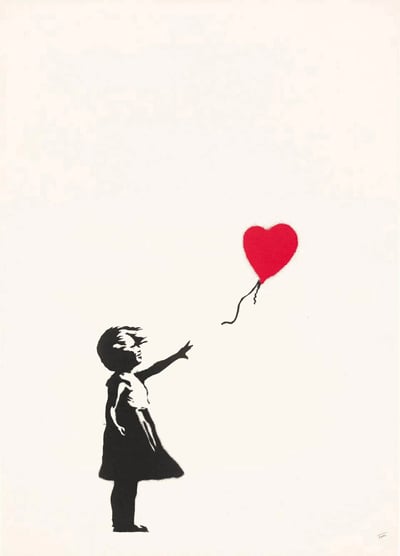
Banksy
Girl With A Balloon (unsigned), 2004
Limited Edition Print
Screen-print
GBP 90,000 - 110,000
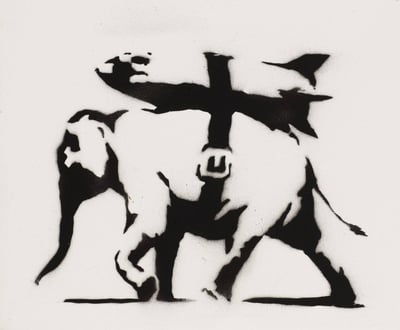
Banksy
Heavy Weaponry, 2004
Limited Edition Print
Mixed Media
GBP 150,000 - 170,000
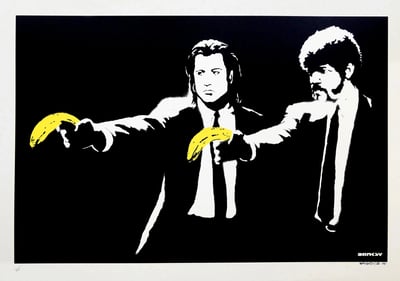
Banksy
Pulp Fiction (unsigned), 2004
Limited Edition Print
Screen-print
GBP 40,000 - 50,000

Jeff Koons
Seated Ballerina, 2015
Sculpture / Object
Wood
EUR 85,000 - 100,000
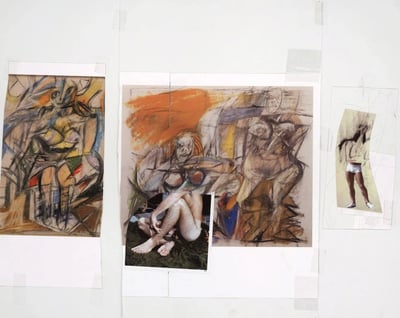
Richard Prince
Together, 2011
Limited Edition Print
Collage
Currently Not Available

Richard Prince
The Greeting Card Jokes (complete set of 3), 2011
Limited Edition Print
Mixed Media
GBP 14,950

Damien Hirst
The Currency Unique Print (H11), 2022
Limited Edition Print
Giclée printing
GBP 10,700
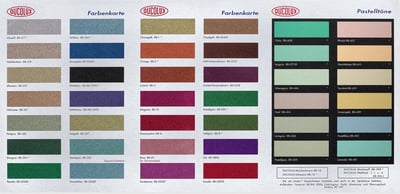
Damien Hirst
Colour Chart (Glitter) (H3), 2017
Limited Edition Print
Screen-print
GBP 8,400

Damien Hirst
Norcamphor, 2011
Limited Edition Print
Woodcut
GBP 15,000 - 20,000
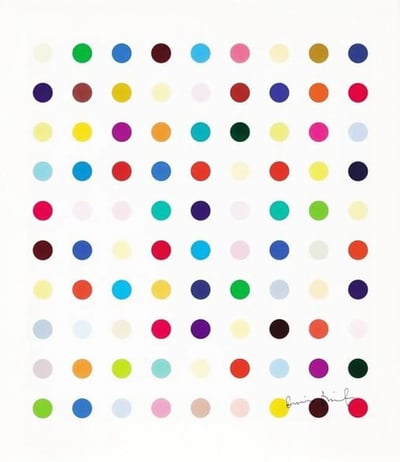
Damien Hirst
Opium, 2000
Limited Edition Print
C-Print
GBP 15,750
Related Articles
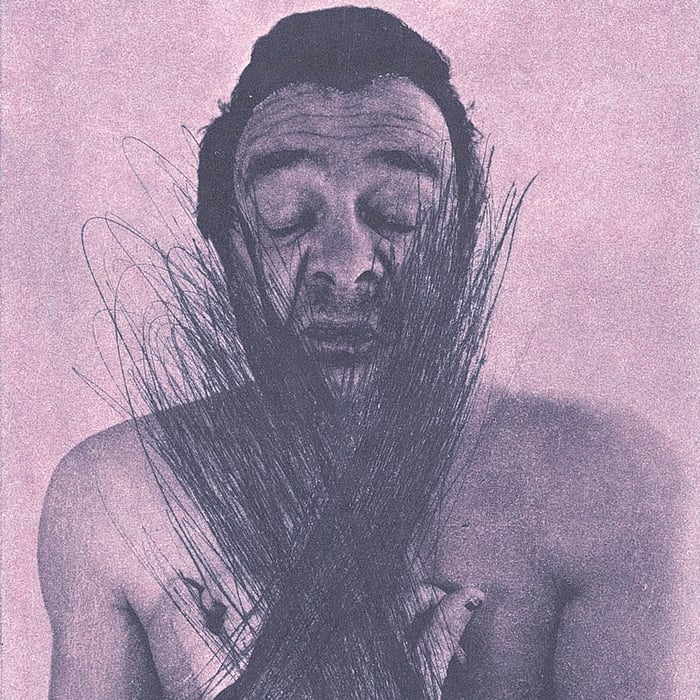
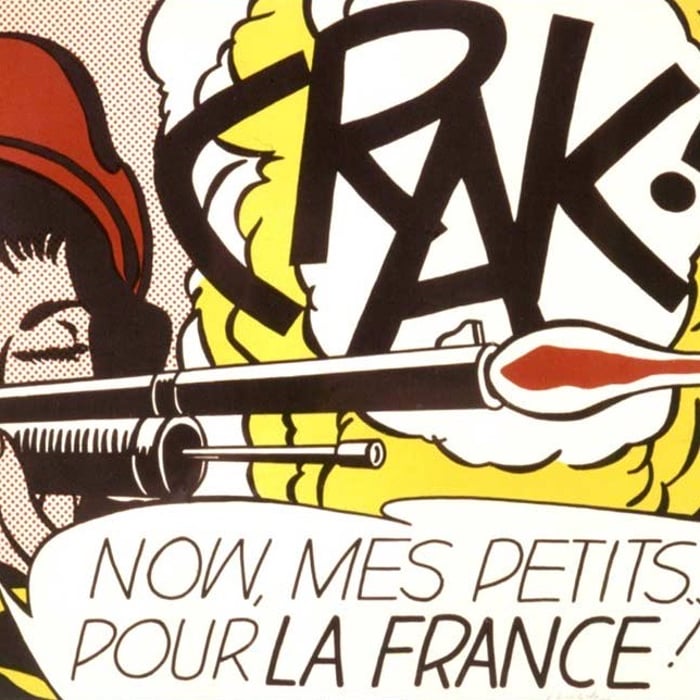
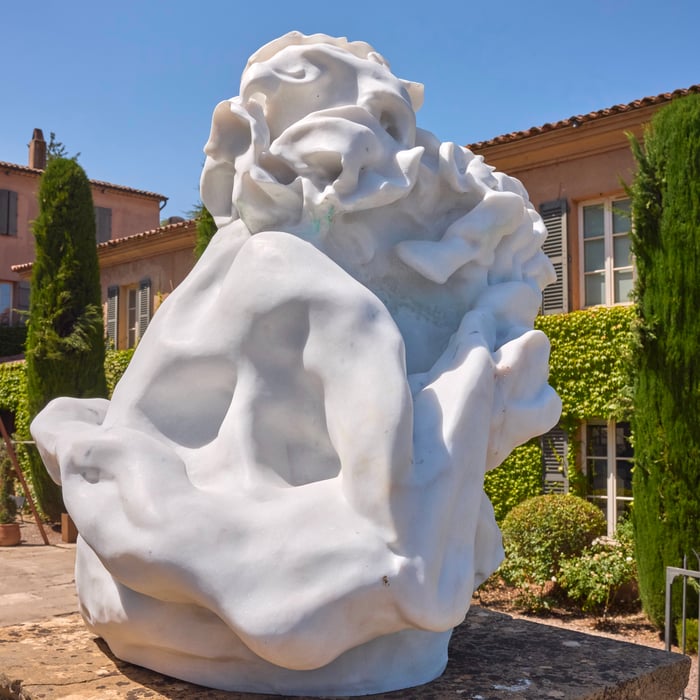
Sometimes referred to as Conceptualism, this is an art form where the idea(s) or concept(s) behind the work take precedence over material concerns and traditional aesthetics. Many conceptual artworks can be created by anyone simply by following written instructions. The concept or idea is the most essential aspect of the artwork.

The Bay Area Figurative Movement, which also goes by the names Bay Area Figurative School, Bay Area Figurative Art, or Bay Area Figuration, came to existence in San-Francisco Bay Area. This was in the mid-20th century, when a group of artists from the area stopped working on the then popular Abstract Expressionism for a preference to figuration in painting. The movement lasted a total of two decades during the 1950's and 1960's.

Superflat is an art movement founded by Takashi Murakami, heavily influenced by anime and manga. The term Superflat refers to the flattened forms found in Japanese animation, graphic art, fine arts, and pop culture, as well as the perceived superficiality of Japanese culture. Murakami's movement, which he self-proclaimed, is considered postmodern and critiques both the depth and shallowness of contemporary Japanese society. Superflat has been highly influential in bridging the gap between high art and popular culture.
Can't find your Answer?
Thank you! Your question has been sent — we'll get back to you shortly.
