
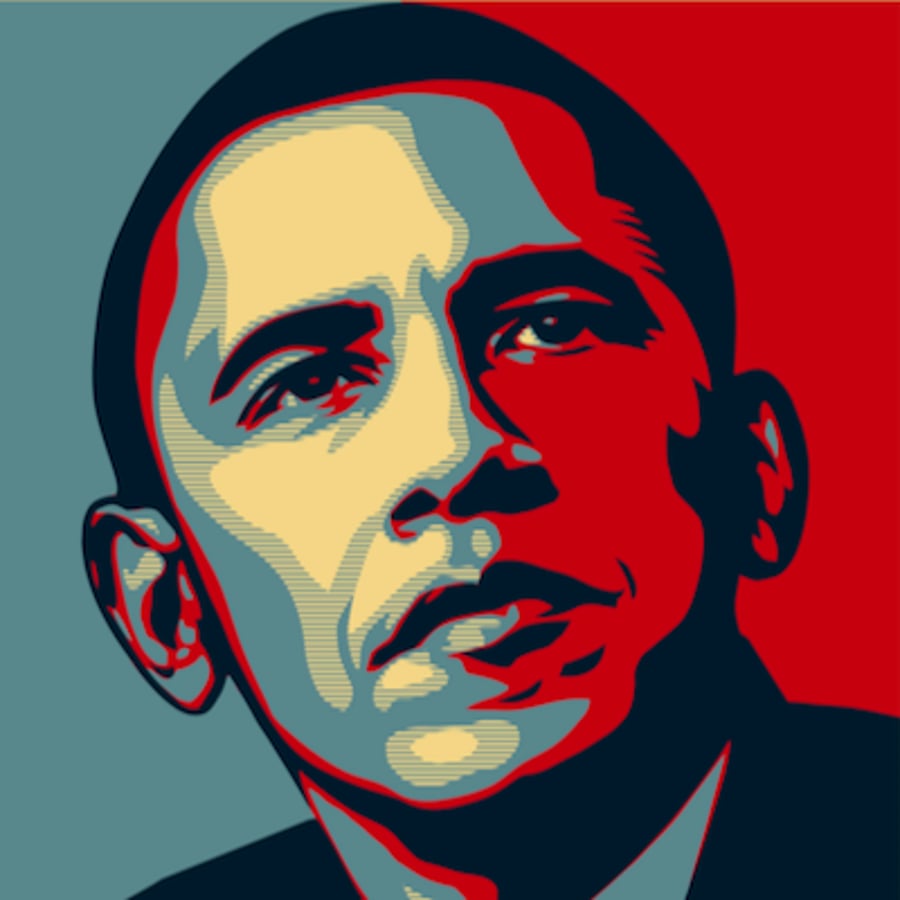
What is appropriation?
- Show All
- Established
- Discoveries
- Show All
Artworks Related to Appropriation
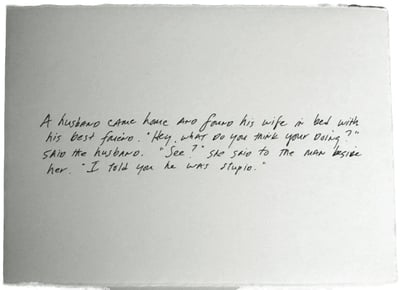
Richard Prince
The Greeting Card Jokes #2: The Best Friend, 2011
Limited Edition Print
Mixed Media
GBP 5,400
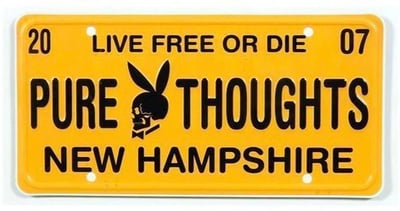
Richard Prince
Pure Thoughts - Live Free or Die, 2007
Sculpture / Object
Object
GBP 7,750
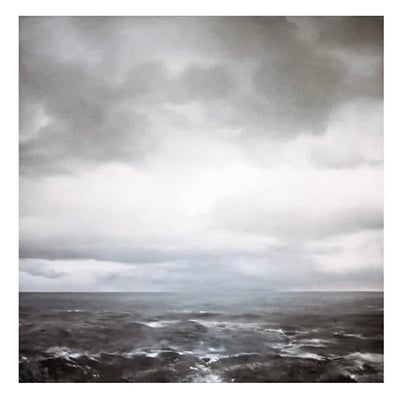
Gerhard Richter
Seestück (bewölkt), 1969/2022
Limited Edition Print
Digital Print on paper
GBP 4,150

Gerhard Richter
Tiger, 1965/2022
Limited Edition Print
Offset Print
GBP 3,180
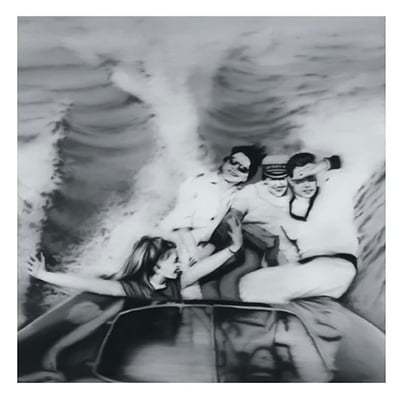
Gerhard Richter
Motorboot, 1965/2022
Limited Edition Print
Offset Print
GBP 5,300
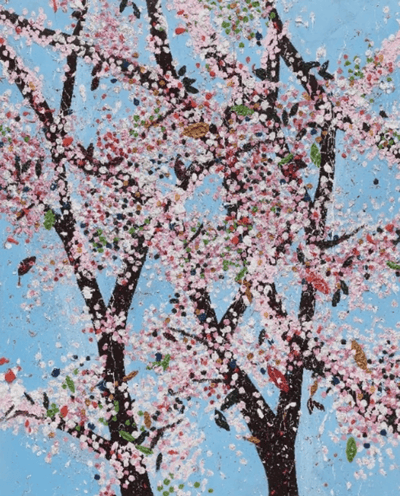
Damien Hirst
H9-6 Honour (from the Virtues), 2021
Limited Edition Print
Mixed Media
GBP 10,000 - 15,000
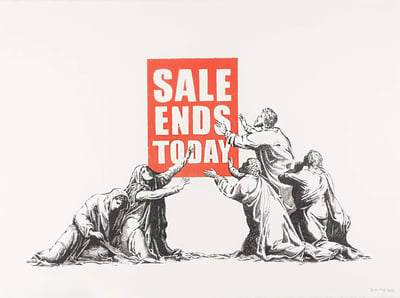
Banksy
Sale Ends (v2), 2017
Limited Edition Print
Screen-print
GBP 35,000 - 45,000
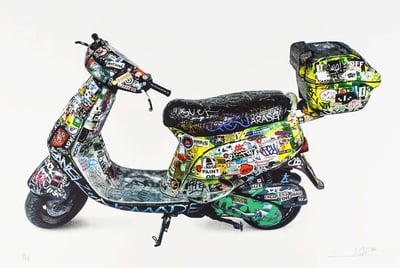
Invader
Scooter, 2015
Limited Edition Print
Lithograph
GBP 2,700
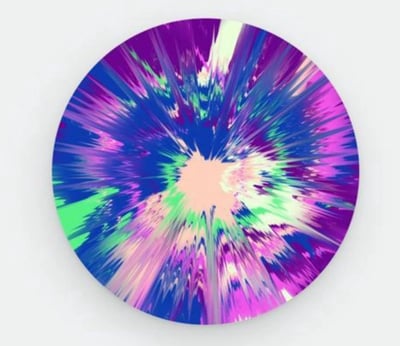
Damien Hirst
H12-14 (Large) from The Beautiful Paintings, 2023
Painting
Mixed Media
GBP 5,850
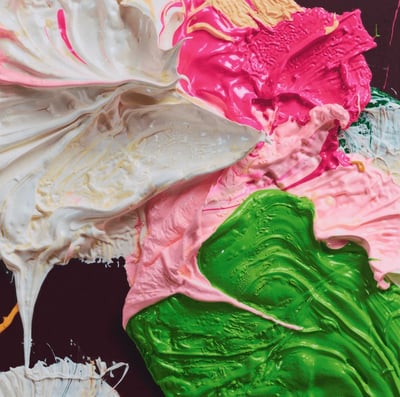
Damien Hirst
Forever (small), 2020
Limited Edition Print
Giclée printing
GBP 1,200
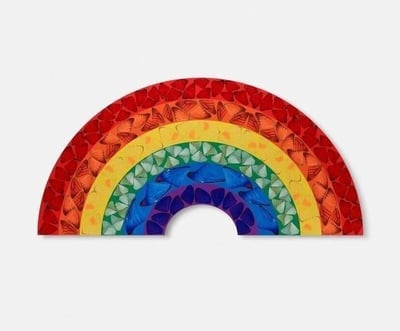
Damien Hirst
Rainbow - Small, 2020
Limited Edition Print
Giclée printing
GBP 2,120
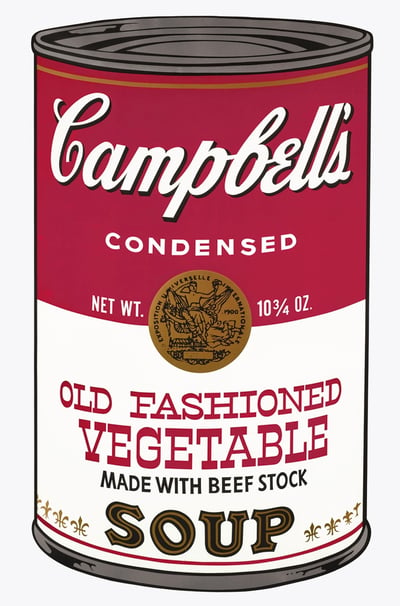
Andy Warhol
Campbell's Soup Can: Old Fashioned Vegetable, 1969
Limited Edition Print
Screen-print
GBP 70,000 - 80,000
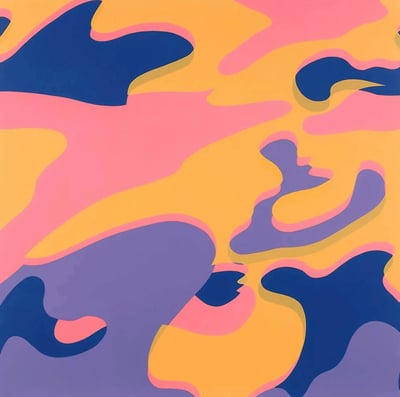
Andy Warhol
Camouflage F. & S. 410, 1987
Limited Edition Print
Screen-print
GBP 70,000 - 80,000
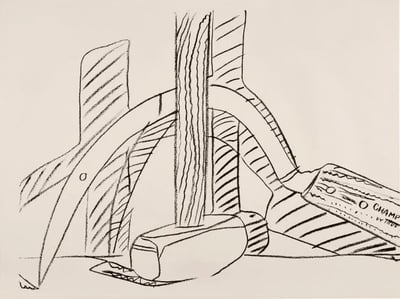
Andy Warhol
Hammer and Sickle: one plate (see F. & S. 161), 1977
Limited Edition Print
Screen-print
GBP 13,500
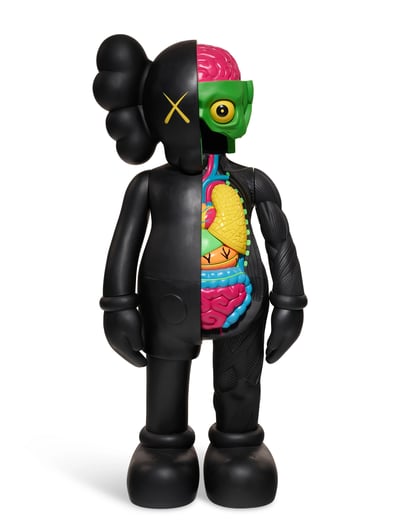
KAWS
Four Foot Companion - black dissected, 2009
Sculpture / Object
Mixed Media
Inquire For Price

KAWS
Four Foot Companion - Grey, 2007
Sculpture / Object
Mixed Media
Inquire For Price
Related Articles
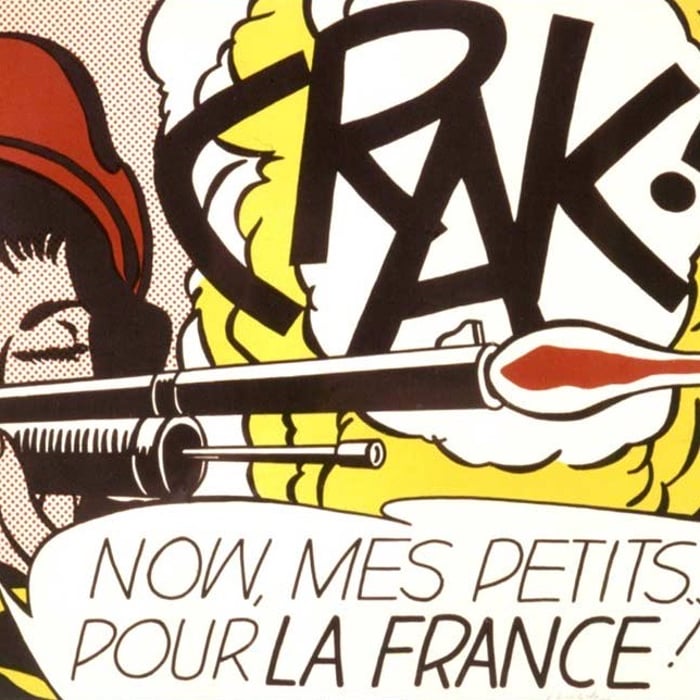
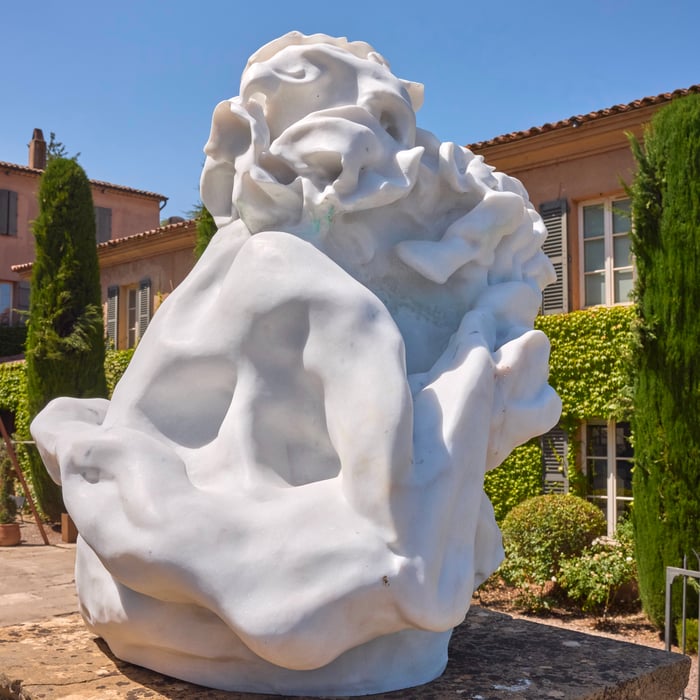

Screen printing is a technique where ink is transferred through a mesh onto a substrate, with areas blocked by a stencil to prevent ink from passing through. This method, also known as serigraphy or silkscreen printing, is commonly used to produce prints on posters, T-shirts, vinyl, stickers, wood, and other materials. The process is a type of stencil printing, allowing for vibrant, detailed designs on various surfaces.
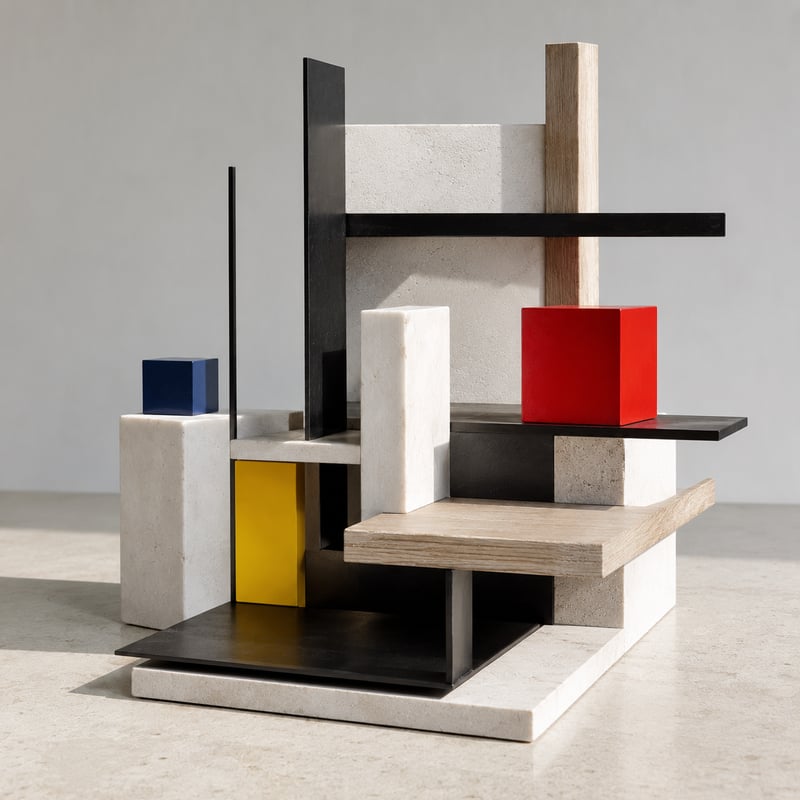
De Stijl, meaning The Style, was a group of Dutch artists who created abstract art based on strict adherence to vertical and horizontal geometry. The group was founded by Piet Mondrian and Theo van Doesburg in 1917. Mondrian eventually left De Stijl when Van Doesburg began incorporating diagonal geometry into his work, which Mondrian felt deviated from the group's principles.

Metalcut was a relief printing technique used primarily in Europe from around 1450 to 1540. The technique involved using thin metal plates. One method involved cutting or hammering away parts of the plate that were not intended to print, while the other method used engraving to create white lines on a black background.
Can't find your Answer?
Thank you! Your question has been sent — we'll get back to you shortly.
