
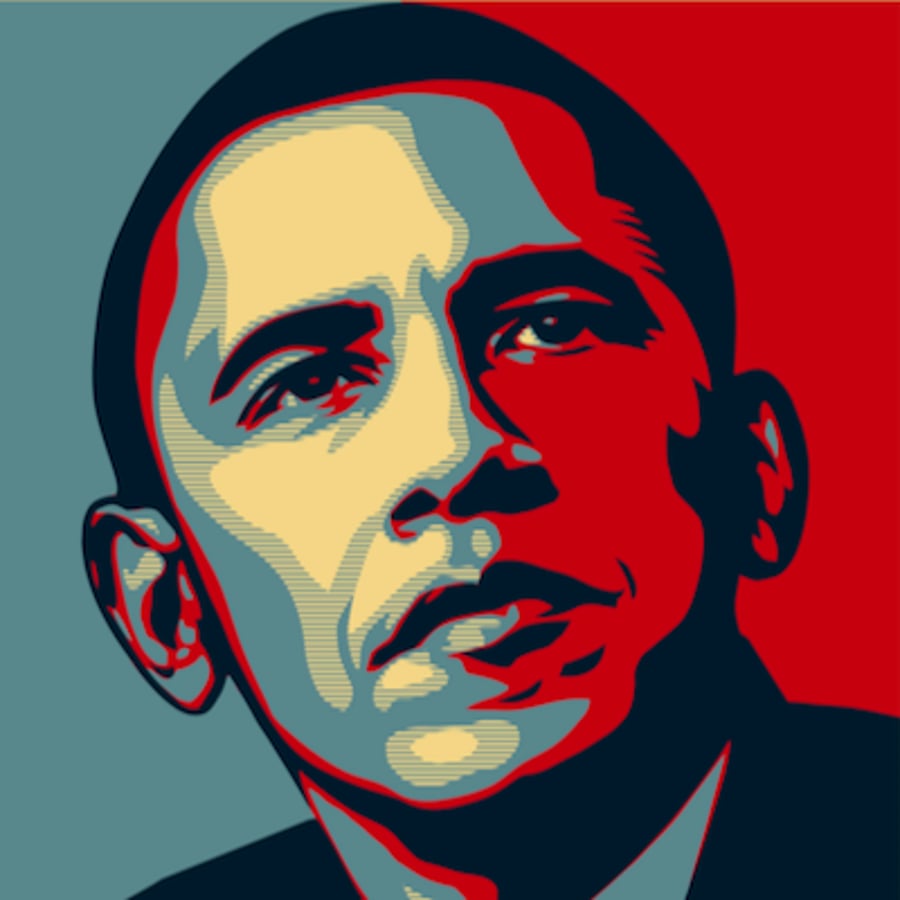
What is appropriation?
- Show All
- Established
- Discoveries
- Show All
Artworks Related to Appropriation
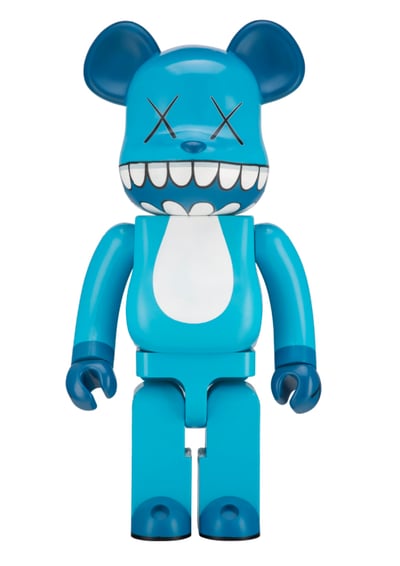
KAWS
KAWS x Bearbrick Chomper 1000%, 2003
Sculpture / Object
Mixed Media
Inquire For Price
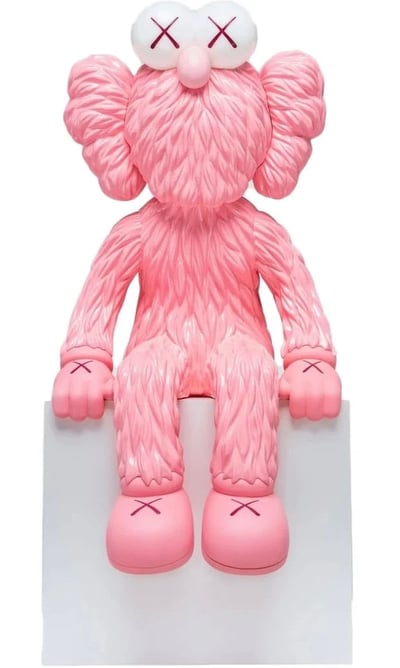
KAWS
Seeing Lamp - pink, 2020
Sculpture / Object
Mixed Media
GBP 60,000 - 70,000
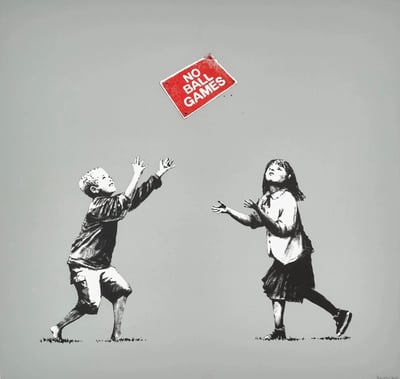
Banksy
No Ball Games - grey, 2009
Limited Edition Print
Screen-print
GBP 70,000 - 80,000
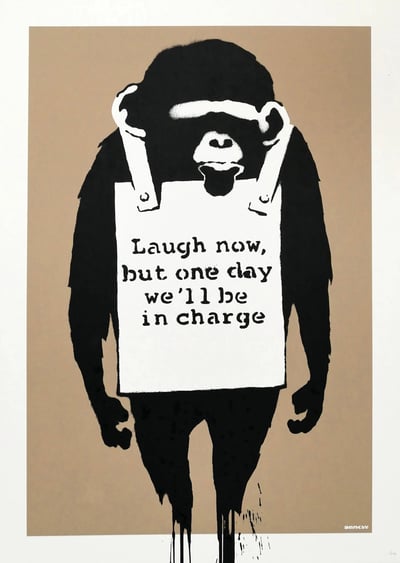
Banksy
Laugh Now (unsigned), 2003
Limited Edition Print
Screen-print
GBP 40,000 - 55,000
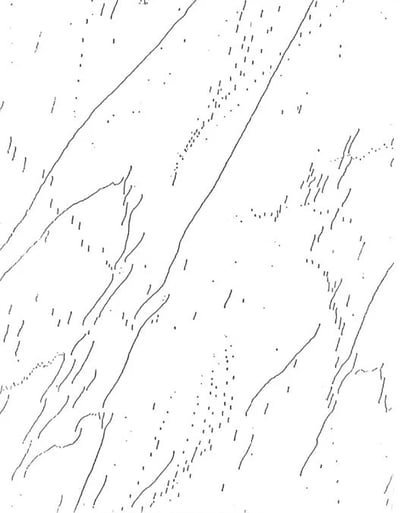
Andy Warhol
Untitled (Mao), from The New York Collection for Stockholm, 1973
Limited Edition Print
Mixed Media
GBP 13,200
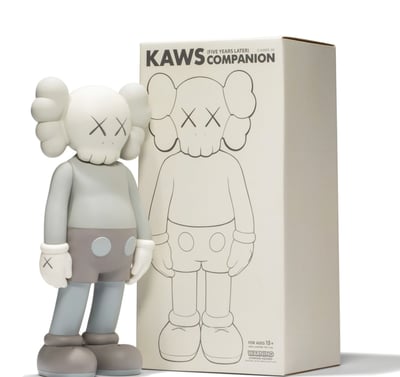
KAWS
5 Years Later Companion - grey, 2004
Sculpture / Object
Mixed Media
GBP 6,300
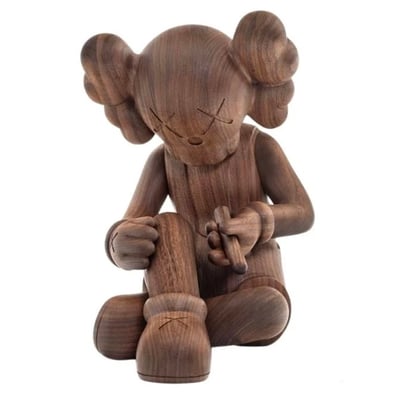
KAWS
Better Knowing, 2023
Sculpture / Object
Wood
Inquire For Price
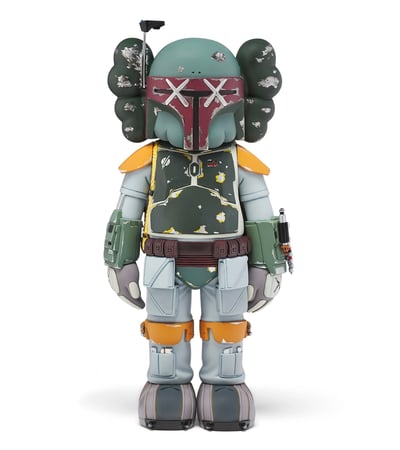
KAWS
Star Wars Boba Fett Companion, 2013
Sculpture / Object
Mixed Media
GBP 5,700
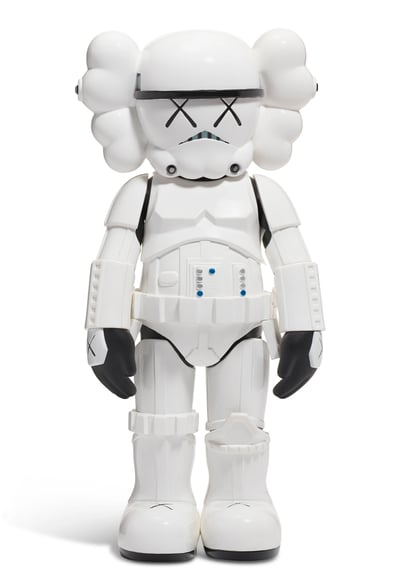
KAWS
Star Wars Stormtrooper Companion, 2008
Sculpture / Object
Mixed Media
GBP 5,700
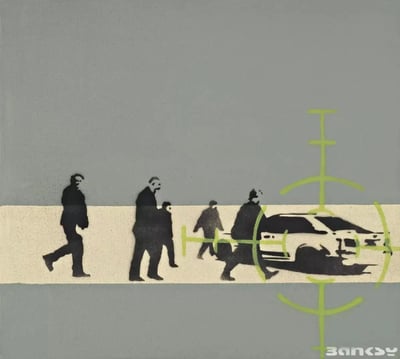
Banksy
Precision Bombing, 2000
Limited Edition Print
Mixed Media
GBP 250,000 - 280,000
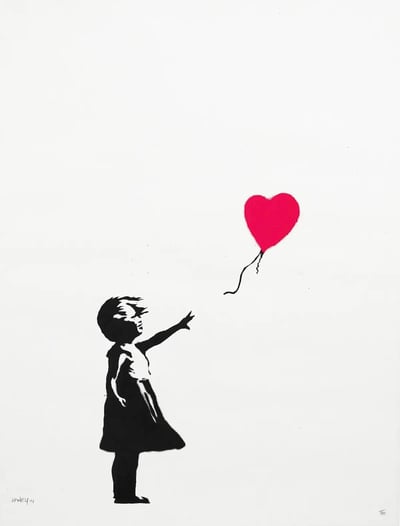
Banksy
Girl With A Balloon, 2004
Limited Edition Print
Screen-print
GBP 240,000 - 270,000
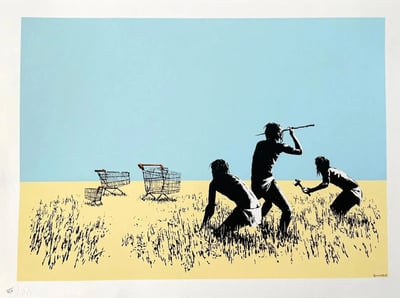
Banksy
Trolley Hunters, 2007
Limited Edition Print
Screen-print
GBP 30,000 - 40,000
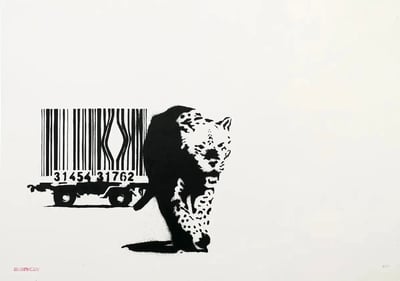
Banksy
Barcode, 2004
Limited Edition Print
Screen-print
GBP 70,000 - 90,000
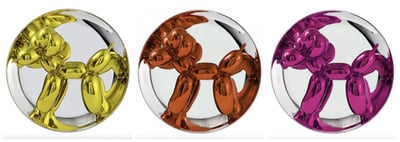
Jeff Koons
Ballon Dogs - set of 3, 2015 -2017
Sculpture / Object
Porcelain
USD 30,000 - 40,000
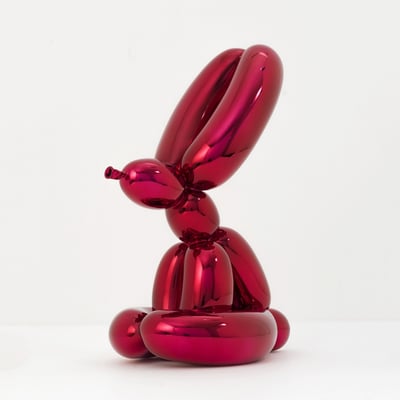
Jeff Koons
Balloon Rabbit (Red), 2017
Sculpture / Object
Porcelain
EUR 20,000 - 30,000
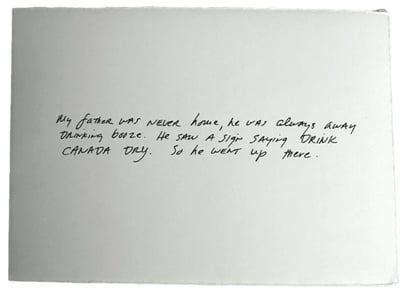
Richard Prince
The Greeting Card Jokes #3: Canada Dry, 2011
Limited Edition Print
Mixed Media
GBP 5,400
Related Articles
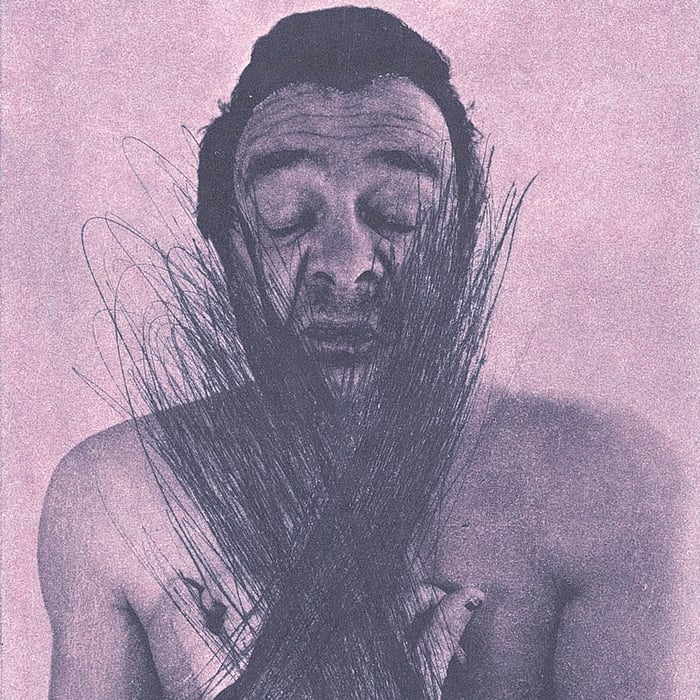
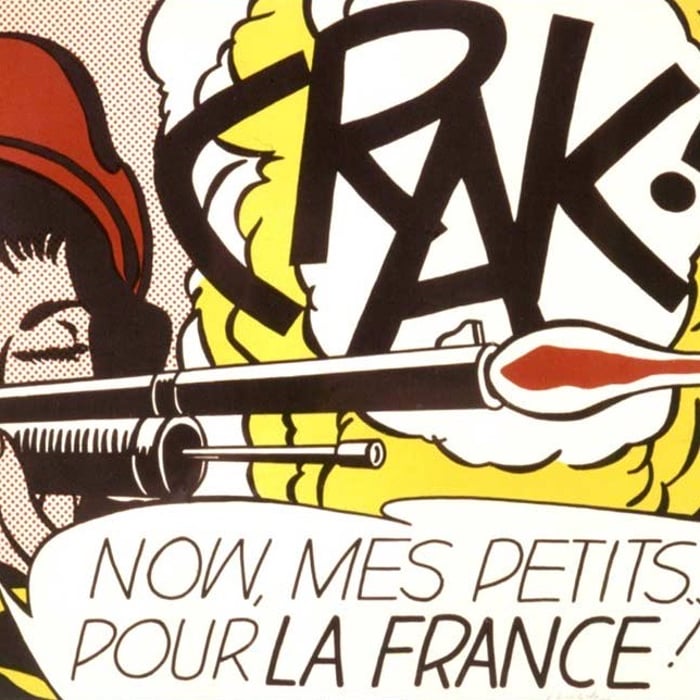
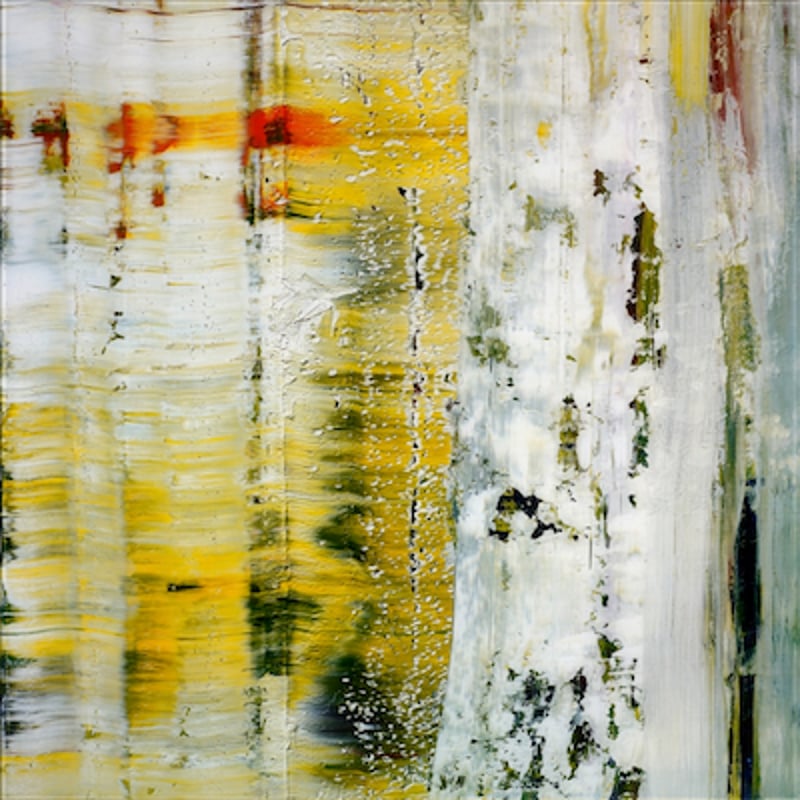
Capitalist Realism is a German form of political pop art that emerged in Cold War-era Berlin in 1963. It sought to challenge the dominance of American pop art in the Western world. The movement blended the ideologies of both pop art and socialist realism, offering a critique of consumer culture and political power.

Naïve art describes a style of artwork that is simple and unsophisticated, often created by artists without formal training in an academy or art school. The style is characterized by a lack of advanced techniques, giving it a childlike appearance. Naïve art often features bright colors, simple shapes, and a straightforward approach to subject matter, reflecting the artist's untrained perspective.
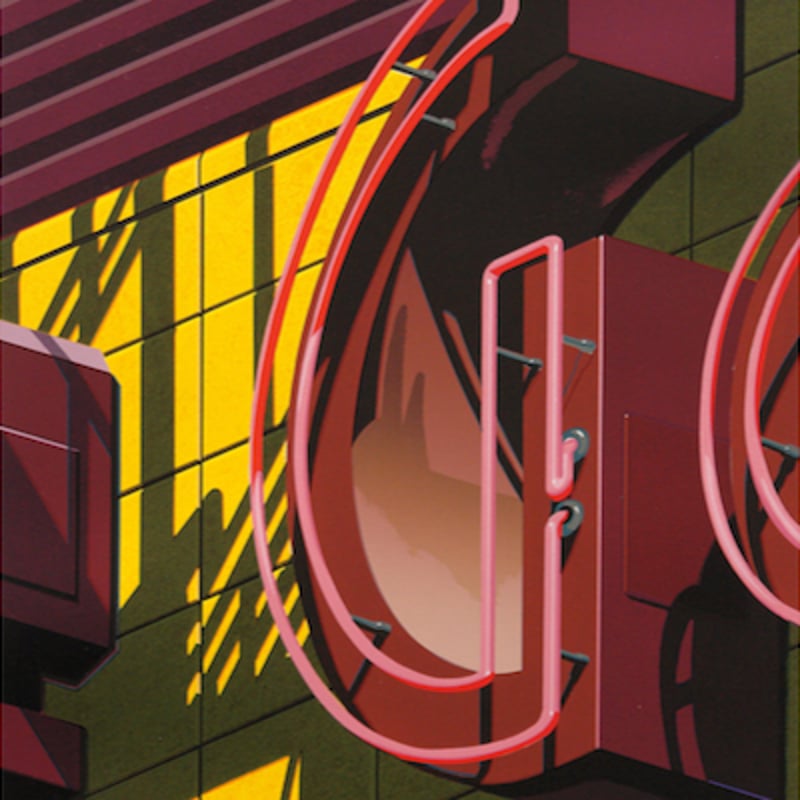
Hyperrealism is a genre of sculpture and painting that closely resembles high-resolution photographs. It is an evolution of Photorealism and is often applied to an independent art style or movement that became prominent in Europe and the United States in the early 2000s. Hyperrealist artists focus on extreme detail and precision, creating works that are often indistinguishable from real-life images.
Can't find your Answer?
Thank you! Your question has been sent — we'll get back to you shortly.
