

What is appropriation?
- Show All
- Established
- Discoveries
- Show All
Artworks Related to Appropriation
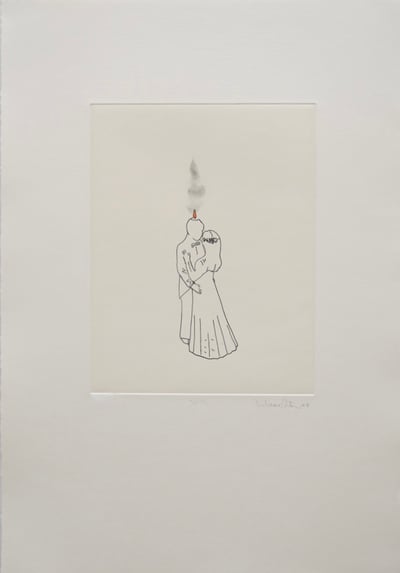
Liliana Porter
Vals , 2007
Limited Edition Print
Etching
EUR 1,400
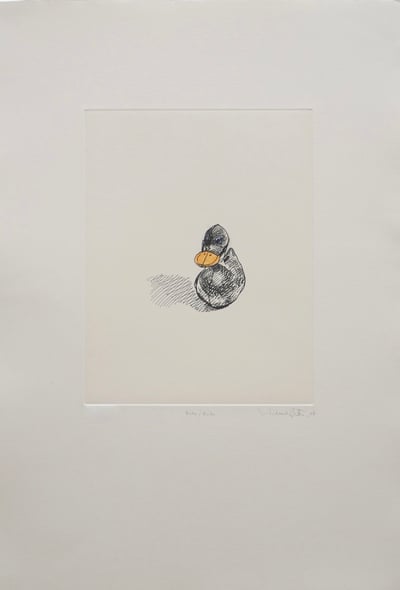
Liliana Porter
Pato, 2007
Limited Edition Print
Etching
EUR 1,400

Liliana Porter
Concierto, 2007
Limited Edition Print
Etching
EUR 1,400

Liliana Porter
Mono, 2007
Limited Edition Print
Etching
EUR 1,400
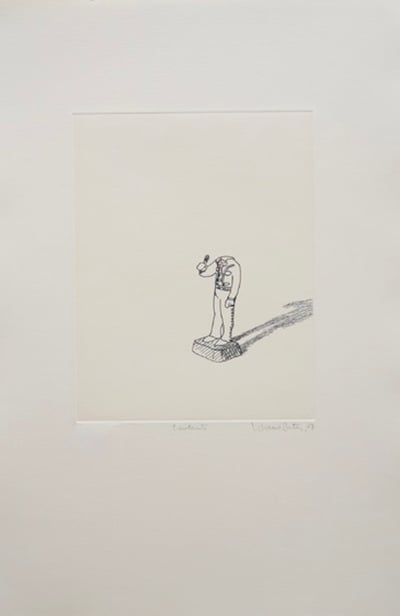
Liliana Porter
Cantante, 2007
Limited Edition Print
Etching
EUR 1,400
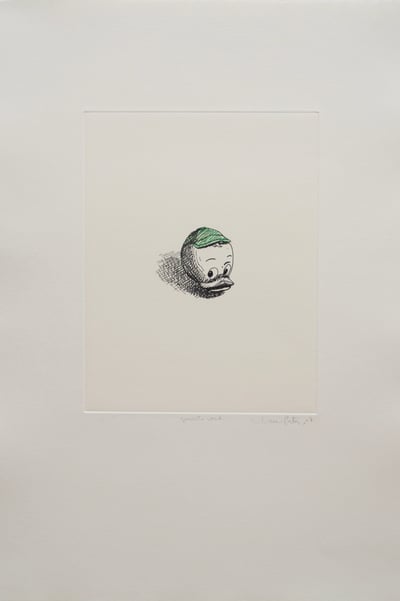
Liliana Porter
Gorrito verde, 2007
Limited Edition Print
Etching
EUR 1,400
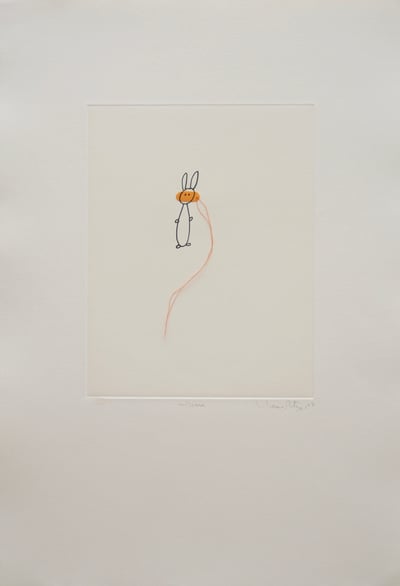
Liliana Porter
Máscara, 2007
Limited Edition Print
Etching
EUR 1,400
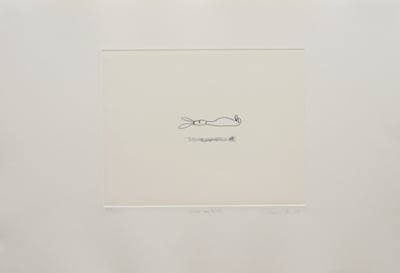
Liliana Porter
Conejo que levita, 2007
Limited Edition Print
Etching
EUR 1,400

Liliana Porter
Concierto II, 2007
Limited Edition Print
Etching
EUR 1,400

Liliana Porter
Sin título con nazi , 2005
Limited Edition Print
Lithograph
EUR 1,800
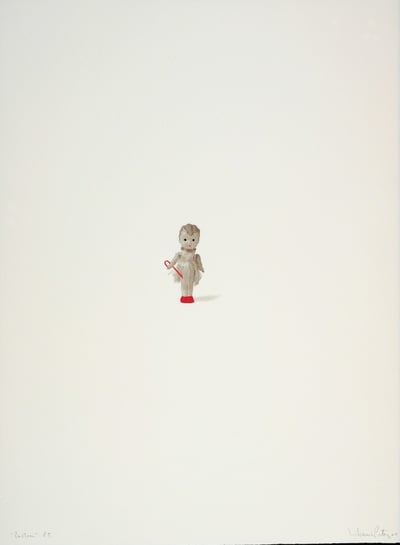
Liliana Porter
Pastora, 2005
Limited Edition Print
Lithograph
EUR 1,800
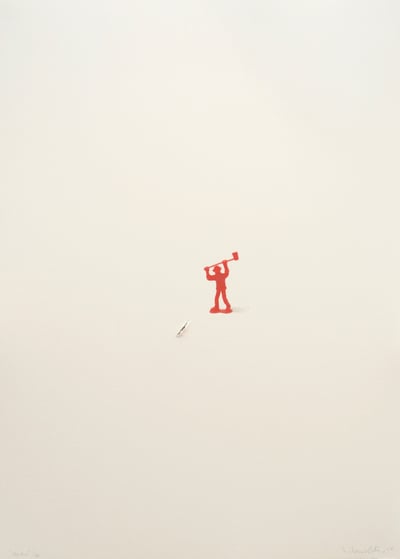
Liliana Porter
Hacha, 2005
Limited Edition Print
Lithograph
EUR 1,800

Liliana Porter
Situación, 2005
Limited Edition Print
Lithograph
EUR 1,800

Liliana Porter
Diálogo con eso, 2005
Limited Edition Print
Lithograph
EUR 2,200
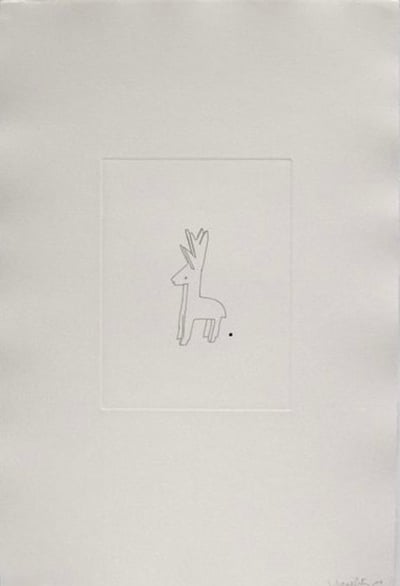
Liliana Porter
Shit, 2005
Limited Edition Print
Etching
EUR 1,400

Liliana Porter
Elvis , 2010
Limited Edition Print
Lithograph
EUR 2,400
Related Articles
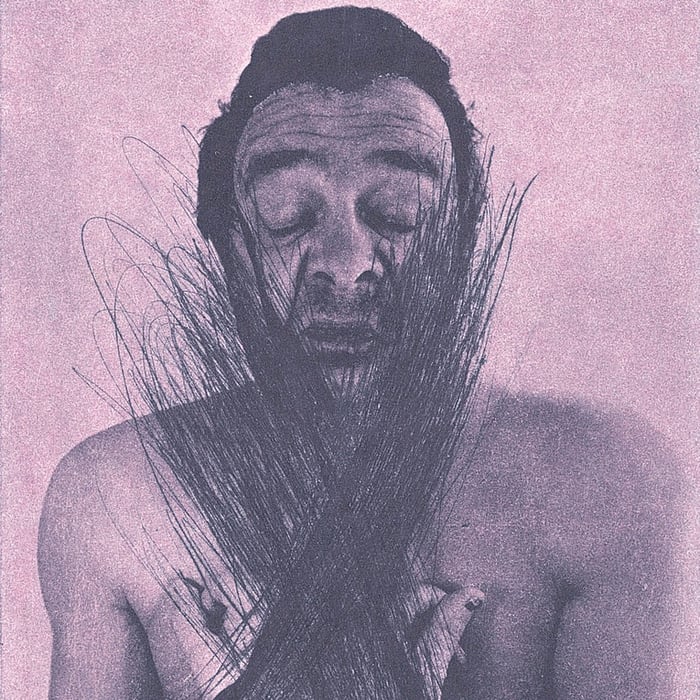

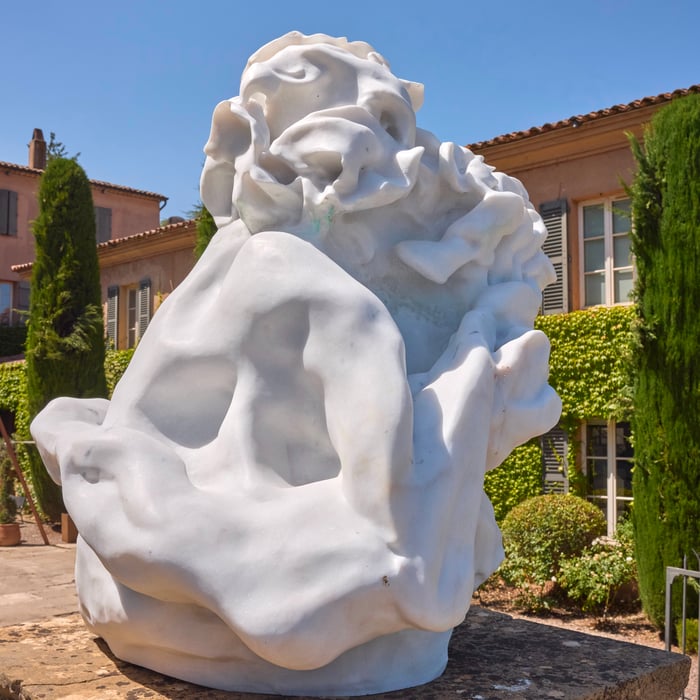

Assemblage is an artistic process involving the combination of three-dimensional objects to create a work of art. The term, which originates from the French word for assembly, often involves the use of found objects like leaves, stones, discarded items, or recycled materials. These objects are arranged creatively to form a unique and often thought-provoking artwork.

Cubism is an art movement that aimed to depict multiple perspectives of objects or figures within a single picture. Artists Georges Braque and Pablo Picasso pioneered this style around 1907. The name Cubism emerged from their use of geometric shapes and outlines that often resembled cubes, breaking objects down into abstracted forms.
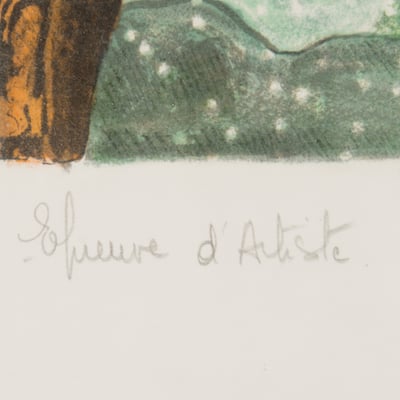
Épreuve d'Artist refers to the artist's proofs in a limited edition of prints. These are a small number of prints reserved by the artist for personal use and are typically marked with the abbreviation E.A. (épreuve d'artist) or AP (artist's proof). Artist’s proofs are usually identical to the regular edition but are often considered more valuable due to their limited quantity.
Can't find your Answer?
Thank you! Your question has been sent — we'll get back to you shortly.
