
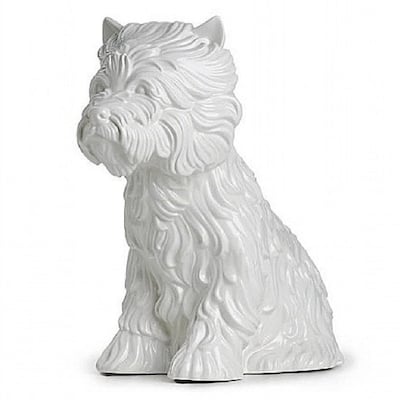
What is art fabrication?
- Show All
- Established
- Discoveries
- Show All
Artworks Related to Art Fabrication

Robert Indiana
Four Seasons of Hope: Winter (Silver), 2012
Limited Edition Print
Screen-print
USD 11,300
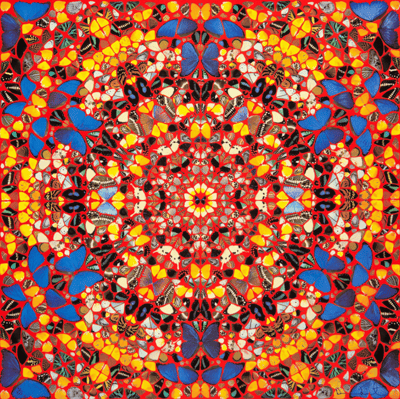
Damien Hirst
Cathedral Print: Duomo, 2007
Limited Edition Print
Screen-print
Inquire For Price
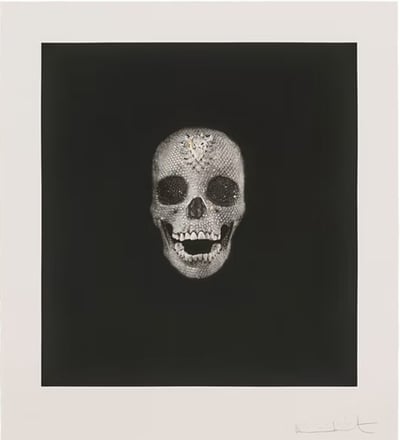
Damien Hirst
Victory Over Death Hand Finished Print, 2008
Limited Edition Print
Mixed Media
Inquire For Price
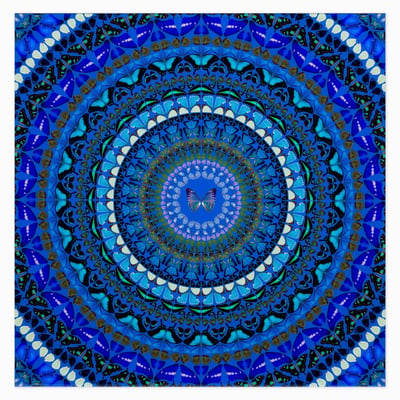
Damien Hirst
Water (H6-9), 2020
Limited Edition Print
Giclée printing
Inquire For Price
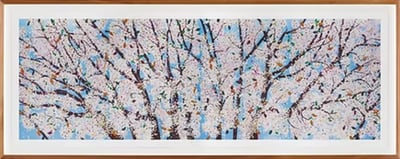
Damien Hirst
Gabriel from the Archangels H15-4, 2021
Limited Edition Print
Mixed Media
GBP 18,000 - 23,400

Damien Hirst
Blizzard H13-10 from Where The Land Meets The Sea, 2023
Limited Edition Print
Photograph
GBP 5,500 - 7,100

Damien Hirst
Colliding H13-9 from Where The Land Meets The Sea, 2023
Limited Edition Print
Photograph
GBP 7,500 - 9,700

Damien Hirst
Deadman's Cove H13-1 Where the Land Meets the Sea, 2023
Limited Edition Print
Mixed Media
GBP 5,950 - 7,700

Damien Hirst
Kingsdown Beach H13-2 from Where The Land Meets The Sea, 2023
Limited Edition Print
Mixed Media
GBP 5,950 - 7,700
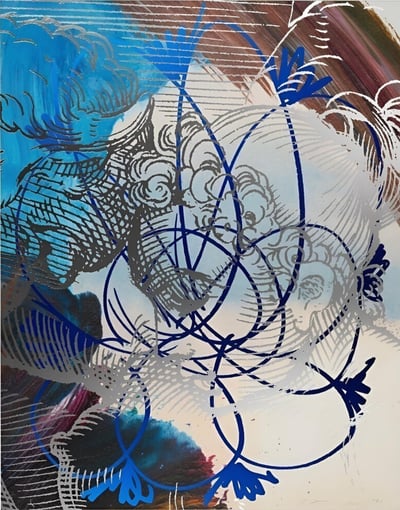
Jeff Koons
Carracci Flower, 2021
Limited Edition Print
Pigment print
GBP 14,000 - 16,000

Keith Haring
A Very Special Christmas, 1987
Limited Edition Print
Screen-print
EUR 15,000 - 18,000

Damien Hirst
Transient Ephemera from The Dreams H19-4, 2025
Limited Edition Print
Mixed Media
GBP 5,500 - 7,100
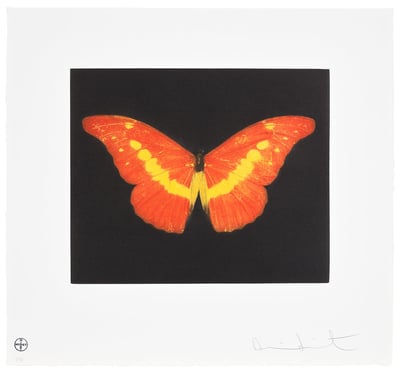
Damien Hirst
To Love, 2008
Limited Edition Print
Etching
GBP 8,500 - 11,000
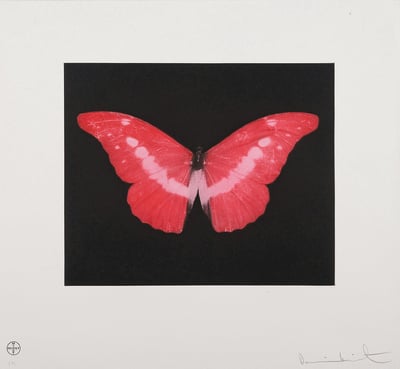
Damien Hirst
To Lose, 2008
Limited Edition Print
Aquatint
GBP 8,500 - 11,000
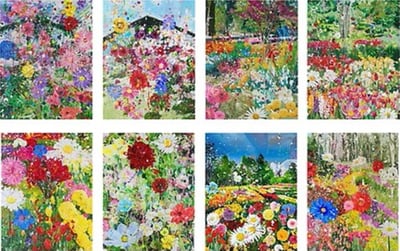
Damien Hirst
The Secrets H14, Full Set, 2024
Limited Edition Print
Mixed Media
GBP 55,000 - 71,500
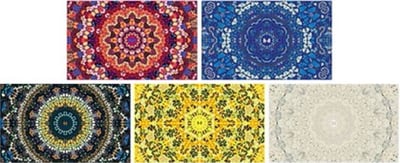
Damien Hirst
The Kaleidoscopes H18, Full Set, 2024
Limited Edition Print
Mixed Media
GBP 60,000 - 78,000
Related Articles
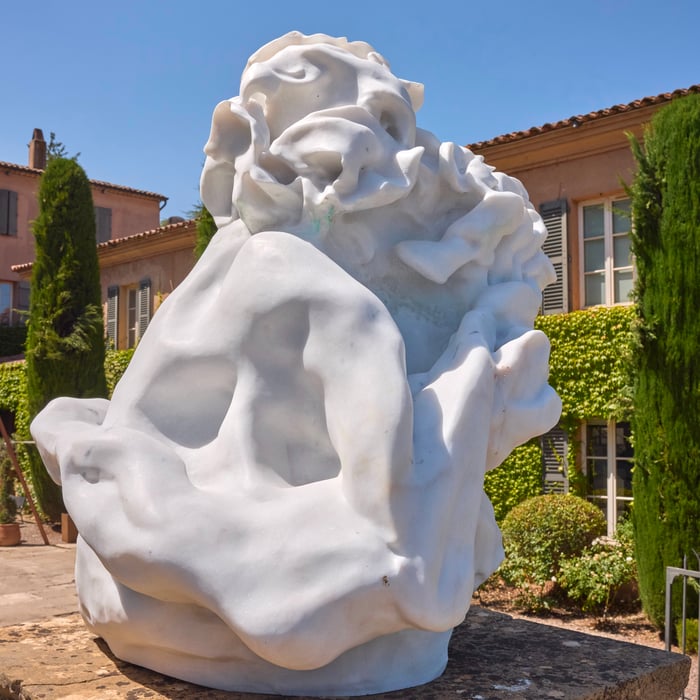

Décollage is an art technique involving the removal, cutting, or tearing away of parts of an original image. The term comes from the French word meaning to take off or to unstick. Artists use this method to challenge or replace existing values, often symbolically tearing away influences from media or conventional thinking.

Colour Field Painting is an abstract style characterized by large areas of a single color or simple, solid colors. The term was first used in the 1950s to describe the work of three American Abstract Expressionist painters—Barnett Newman, Mark Rothko, and Clyfford Still. Their work emphasized the emotional power of color and the creation of vast, meditative spaces through expansive color fields.

Postminimalism refers to a range of art styles that emerged in the 1960s, following the Minimalism movement. While Minimalism focused on simplicity and impersonality, Postminimalist artists retained some elements of Minimalism but also explored greater expressiveness, experimenting with new materials and techniques. This movement includes various forms of art such as conceptual art, body art, performance art, process art, and site-specific works. Postminimalism represents a shift toward more personal, tactile, and process-oriented approaches to art-making.
Can't find your Answer?
Thank you! Your question has been sent — we'll get back to you shortly.
