

What is Chinese contemporary art?
- Show All
- Established
- Discoveries
- Show All
Artworks Related to Chinese Contemporary art
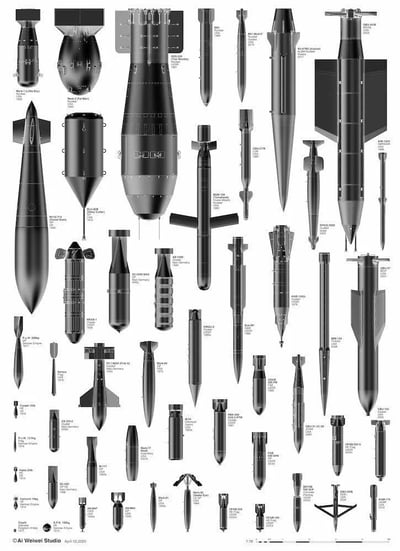
Weiwei Ai
BOMB, 2020
Limited Edition Print
Inkjet print
Inquire For Price
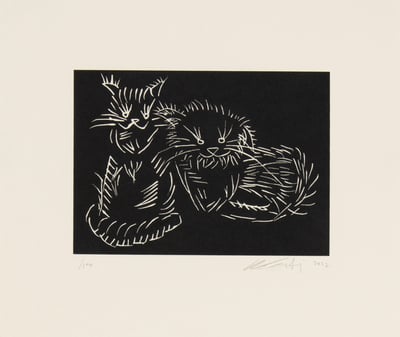
Weiwei Ai
Cats (black), 2022
Limited Edition Print
Screen-print
GBP 3,850
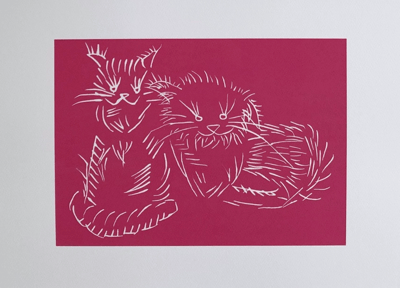
Weiwei Ai
Cats (Pink), 2022
Limited Edition Print
Screen-print
GBP 3,950

Weiwei Ai
Pequi Tree, 2021
Sculpture / Object
Mixed Media
GBP 2,490

Weiwei Ai
Turquoise, 2015
Limited Edition Print
Mixed Media
GBP 9,500

Weiwei Ai
Middle Finger, 2023
Limited Edition Print
Silkscreen
USD 1,800

Weiwei Ai
Cedar Tree, 2023
Sculpture / Object
Metal
GBP 3,850

Weiwei Ai
History of Bombs, 2020
Limited Edition Print
Offset Print
GBP 2,450
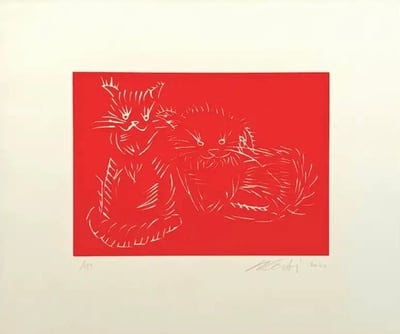
Weiwei Ai
Cats, red, 2022
Limited Edition Print
Screen-print
GBP 3,350
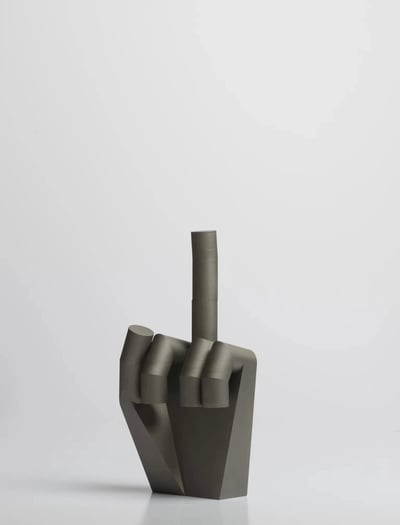
Weiwei Ai
3D Printing of My Left Hand, 2022
Sculpture / Object
Mixed Media
GBP 21,000

Zhang Xiaogang
Big Family No.1 (from Bloodline portfolio), 2006
Limited Edition Print
Lithograph
GBP 4,000 - 6,000

Zhang Xiaogang
Comrade Woman (from Bloodline portfolio), 2006
Limited Edition Print
Lithograph
GBP 2,350

Zhang Xiaogang
Big Family No.3 (from Bloodline portfolio), 2006
Limited Edition Print
Lithograph
GBP 5,000 - 7,000
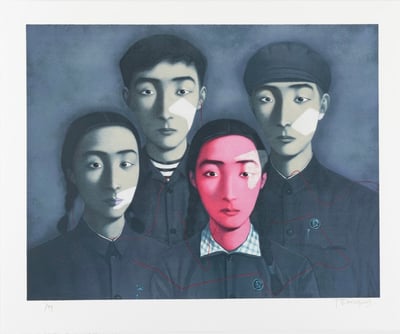
Zhang Xiaogang
The Big Family (from Bloodline portfolio), 2006
Limited Edition Print
Lithograph
GBP 4,000 - 6,000
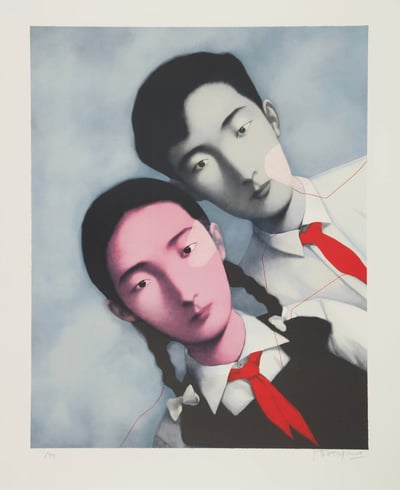
Zhang Xiaogang
Brother and Sister (from Bloodline portfolio), 2006
Limited Edition Print
Lithograph
GBP 3,300

Yin Jun
Crying Series - Brothers, 2013
Painting
Oil on canvas
USD 28,000
Related Articles

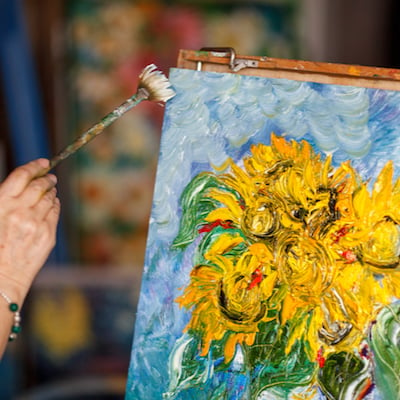
Oil paint is a slow-drying type of paint made from pigment particles suspended in a drying oil, typically linseed oil. The viscosity of the paint can be adjusted by adding a solvent like turpentine, and varnish can be added to increase the glossiness of the dried paint film. Oil painting has been used since the 12th century in Europe, initially for decoration, but it was not widely adopted as a primary painting medium until the 15th century.
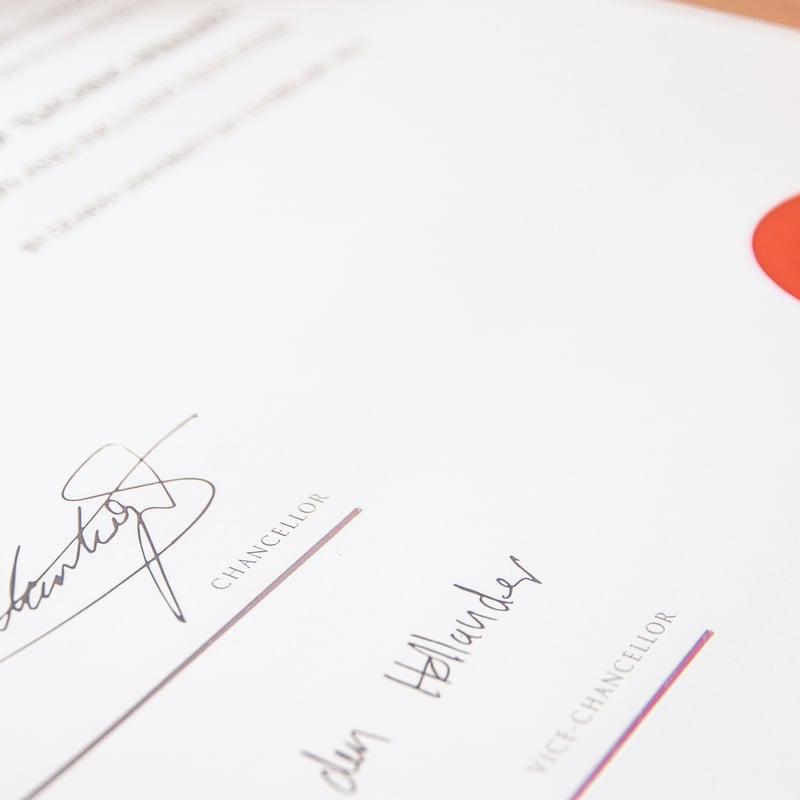
Authenticity refers to the qualities that define an original artwork as genuine, created by the artist under the original circumstances. A reproduction lacks authenticity because it was not made by the original artist and does not share the same context or creation process. The authenticity of an original artwork can be questioned when reproductions exist, which can diminish its value. Authenticity is often established through provenance, expert analysis, and documentation, ensuring the artwork's originality.

Spatialism is an art movement that originated in Italy in 1947, founded by Lucio Fontana with the intention of synthesizing sound, color, movement, and space into a new form of art. The movement's central ideas were outlined in Fontana's first manifesto, published in 1947, where he introduced the concept of spatial art to capture the spirit of the post-war era. His ideas were further developed in five subsequent manifestos. Although Fontana's ideas were sometimes considered vague, his influence was significant, as he was one of the first European artists to emphasize art as a performance and gesture.
Can't find your Answer?
Thank you! Your question has been sent — we'll get back to you shortly.
