

What is Chinese contemporary art?
- Show All
- Established
- Discoveries
- Show All
Artworks Related to Chinese Contemporary art
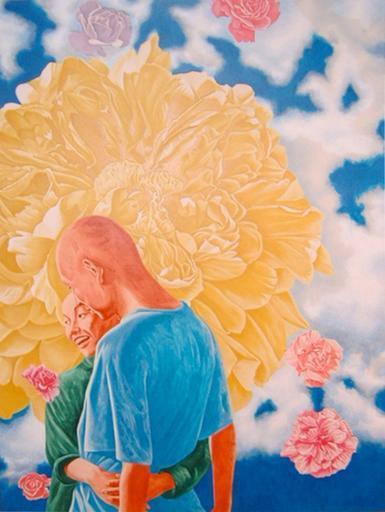
Fang Lijun
Flower, 2005
Limited Edition Print
Screen-print
Currently Not Available
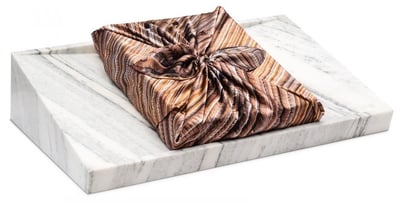
Weiwei Ai
The artist activist - Art edition
Limited Edition Print
Mixed Media
Currently Not Available
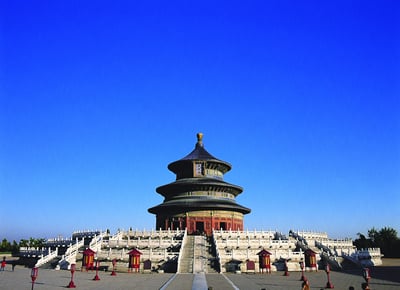
Huang Yan
Bird Tiantan No.1, 2006
Photography
Photograph
USD 4,850
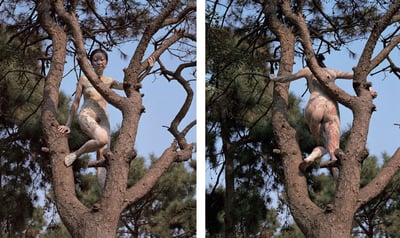
Huang Yan
Pinaster Landscape Diptych, 2007
Photography
Photograph
Inquire For Price
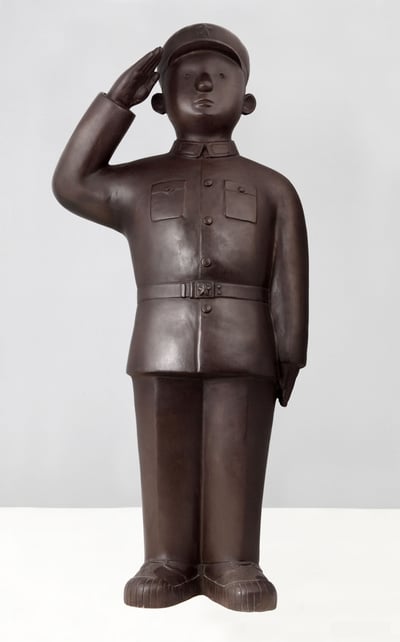
Shen Jingdong
Salute (Soldier) , 2012
Sculpture / Object
Mixed Media
Currently Not Available
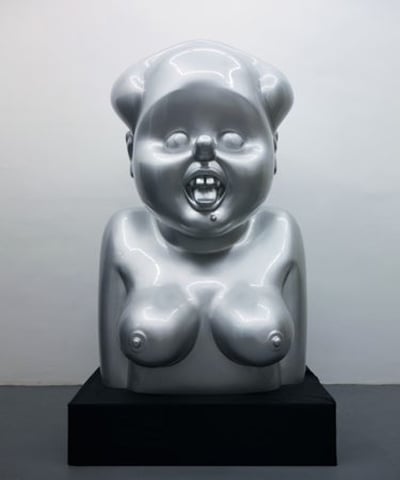
Gao Brothers
Miss Mao No.2, 2006
Sculpture / Object
Resin
Currently Not Available
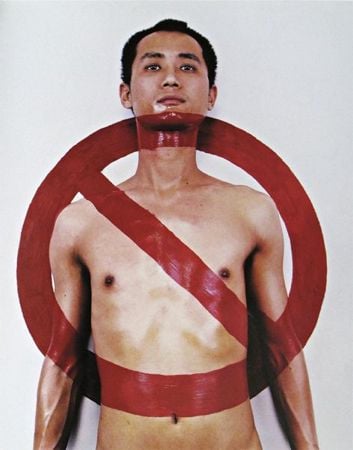
Qiu Zhijie
Tattoo 3, 2000
Limited Edition Print
Digital Print on paper
Currently Not Available
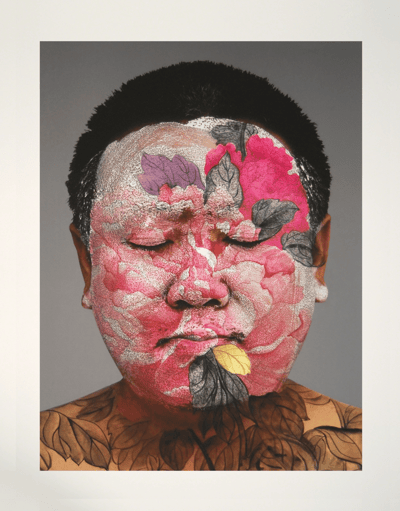
Huang Yan
Self Portrait, 2008
Limited Edition Print
Mixed Media
USD 1,350
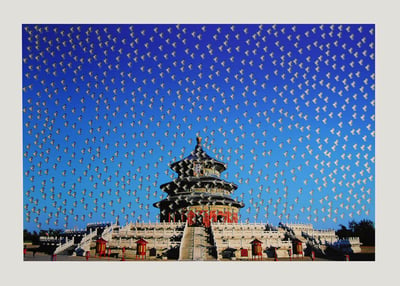
Huang Yan
Temple of Heaven, 2008
Limited Edition Print
Giclée printing
USD 850
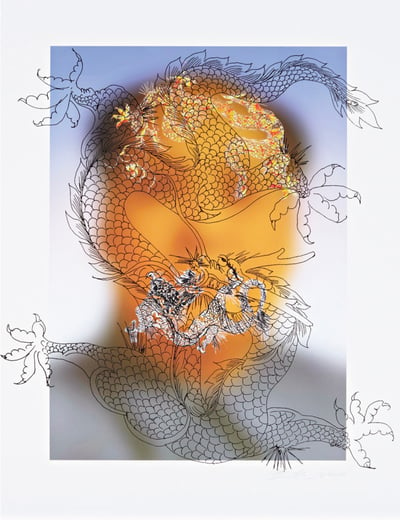
Huang Yan
Mao With Dragons, 2008
Limited Edition Print
Mixed Media
USD 850
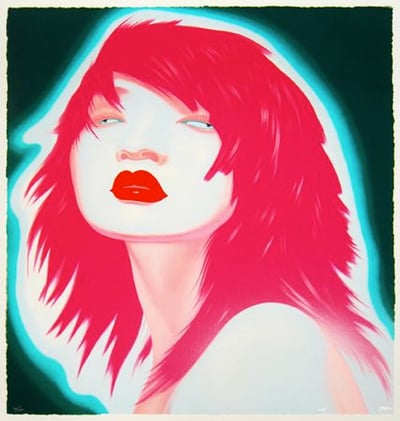
Feng Zhengjie
Chinese Portrait (c), 2008
Limited Edition Print
Screen-print
USD 950
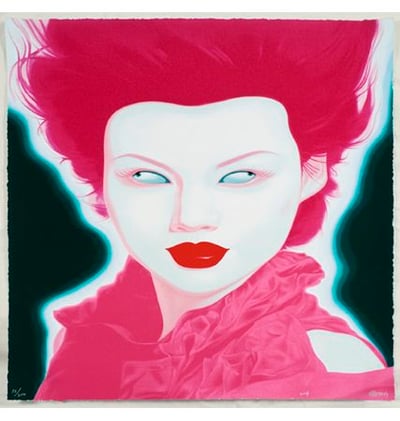
Feng Zhengjie
Chinese Portrait (b), 2008
Limited Edition Print
Screen-print
USD 950
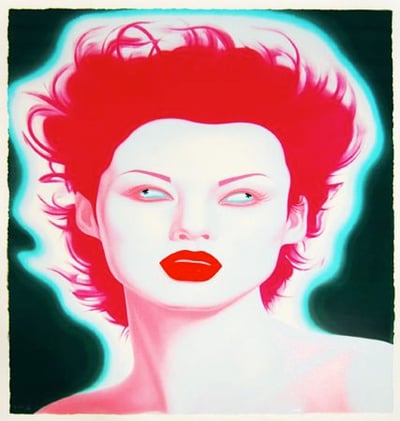
Feng Zhengjie
Chinese Portrait (a), 2008
Limited Edition Print
Screen-print
USD 950
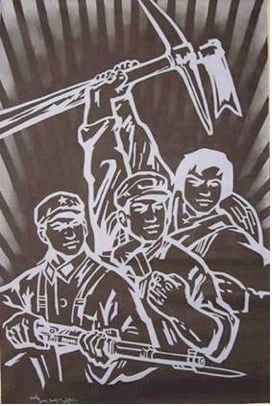
Wang Guangyi
Eternal Halo, 2004
Painting
Oil on canvas
Inquire For Price
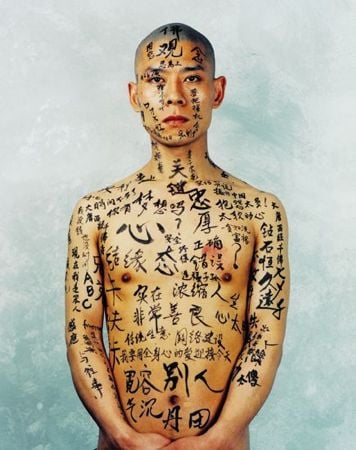
Zhang Huan
1/2, 1998
Limited Edition Print
Silkscreen
Currently Not Available
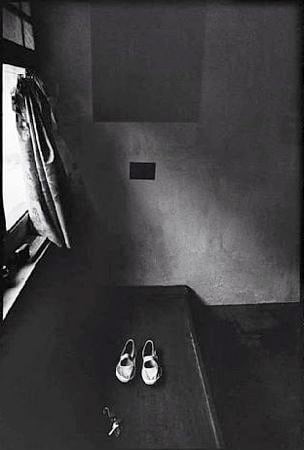
Rong Rong
East village 1994.3, 1994
Photography
Gelatin Silver Print
Currently Not Available
Related Articles

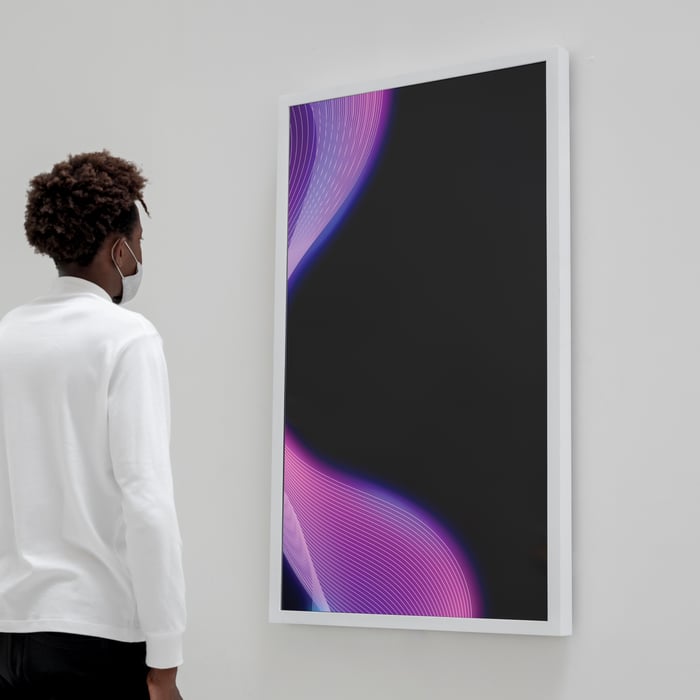

Grupo Frente was a movement founded in 1954 in Brazil by teaching artist Ivan Serpa. The movement included many students from the Rio de Janeiro Museum of Modern Art and sought to reject the nationalism and figuration present in the modernist forms of Brazilian painting. Grupo Frente emphasized experimentation and abstraction, aiming to explore new artistic possibilities beyond traditional constraints.
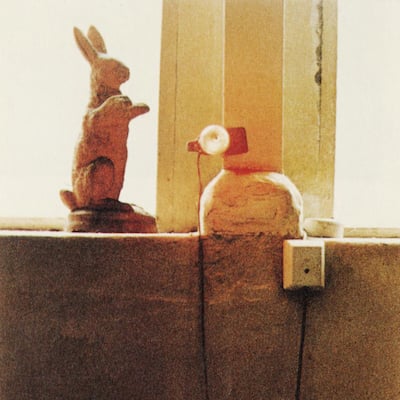
Derived from the Latin word meaning flow, Fluxus is an international movement of designers, composers, and artists known for blending various artistic disciplines and media during the 1960s. The movement remains active in visual art, performance, design, architecture, urban planning, and other creative fields. Fluxus is sometimes referred to as nter-media and continues to play a pivotal role in expanding the definitions of what art can be.
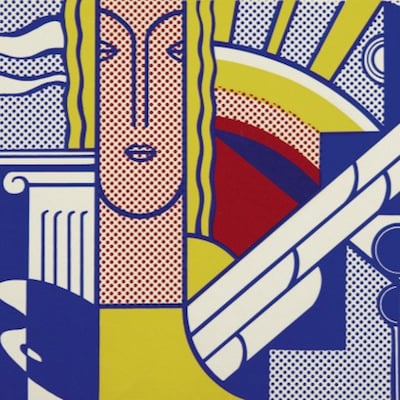
Late Modernism refers to the continuation and evolution of Modernist principles in art, architecture, and literature from the mid-20th century into the late 20th century. This movement maintains a focus on form, abstraction, and the rejection of traditional styles, but it often incorporates more complexity and ambiguity compared to early Modernism. Late Modernism explores themes such as alienation, identity, and the fragmentation of reality, reflecting the social and cultural shifts of the post-war period. It is seen in the works of architects like Louis Kahn and artists like Francis Bacon, who pushed the boundaries of Modernism while responding to the changing world around them.
Can't find your Answer?
Thank you! Your question has been sent — we'll get back to you shortly.
