
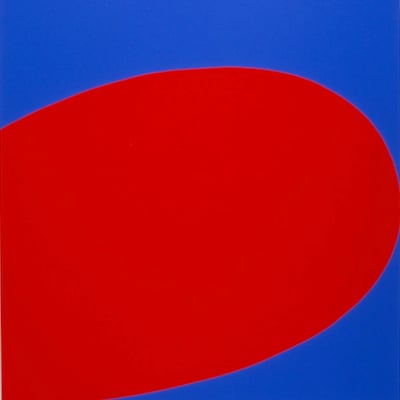
What is Colour Field Painting?
- Show All
- Established
- Discoveries
- Show All
Artworks Related to Colour Field Painting

Richard Diebenkorn
Sugarlift Spade, 1982
Limited Edition Print
Aquatint
Inquire For Price

Robert Motherwell
Untitled (Gesture #6), 1976
Limited Edition Print
Etching
USD 11,900

Ellsworth Kelly
Colored Paper Image XVI (Blue/Yellow/Red), 1976
Limited Edition Print
Mixed Media
Inquire For Price
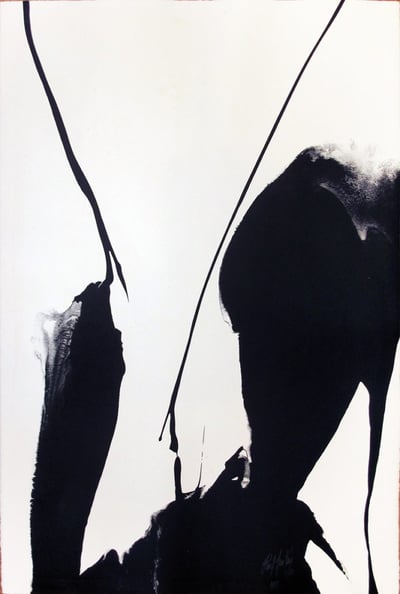
Paul Jenkins
Untitled (Black Strokes), 1971
Limited Edition Print
Lithograph
USD 1,580
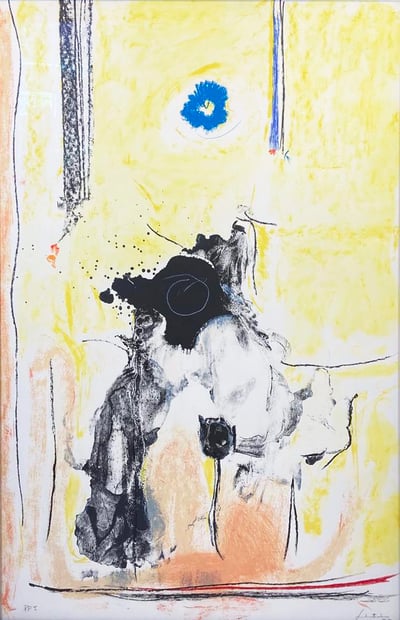
Helen Frankenthaler
Madame de Pompadour, 1985
Limited Edition Print
Lithograph
USD 14,250
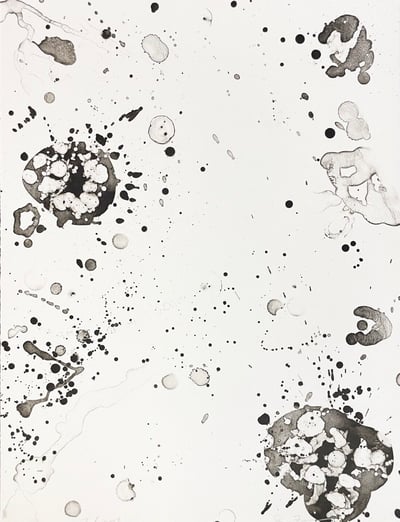
Sam Francis
Spring Solution, 1972
Limited Edition Print
Lithograph
Inquire For Price
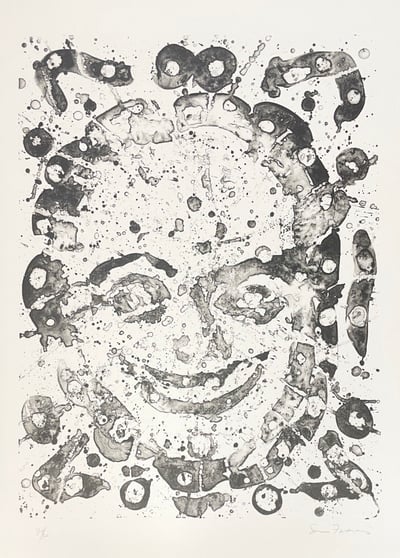
Sam Francis
Self Portrait (SF-051), 1976
Limited Edition Print
Lithograph
Inquire For Price
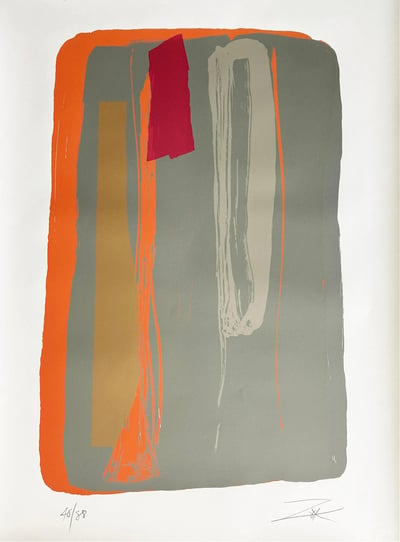
Larry Zox
Untitled 2 from Niagara Series, 1980
Limited Edition Print
Linocut
USD 850
Frank Stella
Private Listing
Sculpture / Object

Frank Stella
Union (from Eccentric Polygons), 1974
Limited Edition Print
Mixed Media
USD 9,500

Frank Stella
Sanbornville, 1974
Limited Edition Print
Mixed Media
USD 9,500

Frank Stella
Quathlamba I, 1968
Limited Edition Print
Lithograph
USD 11,900

Ellsworth Kelly
Dark Blue and Red (Bleu Foncé et Rouge), 1964 -1965
Limited Edition Print
Lithograph
EUR 13,500
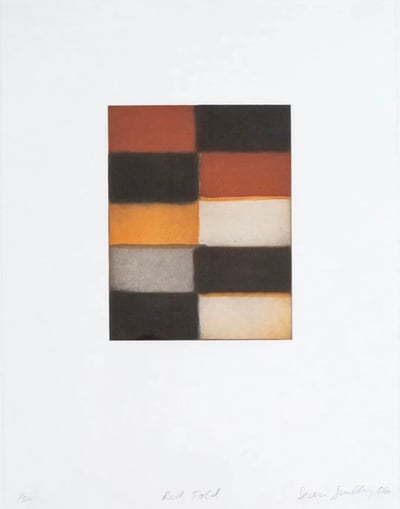
Sean Scully
Red Fold, 2006
Limited Edition Print
Aquatint
USD 6,000
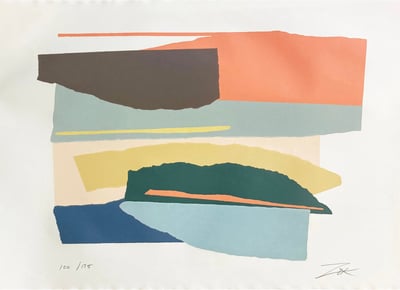
Larry Zox
Untitled 1 from Niagara Series, 1980
Limited Edition Print
Mixed Media
USD 850
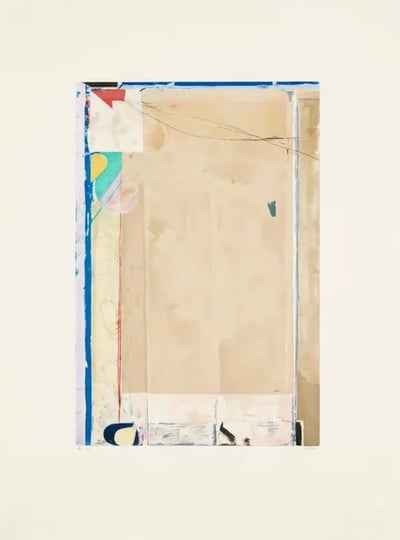
Richard Diebenkorn
Touched Red, 1991
Limited Edition Print
Mixed Media
Inquire For Price
Related Articles
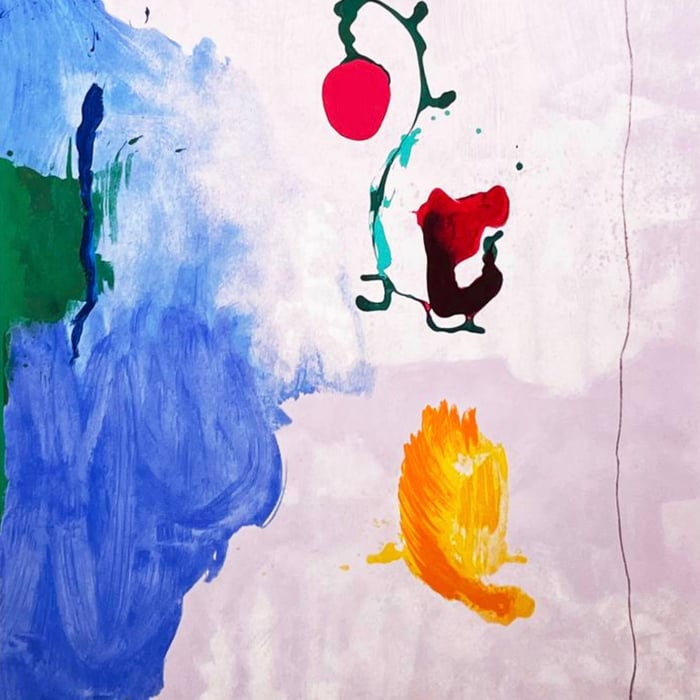
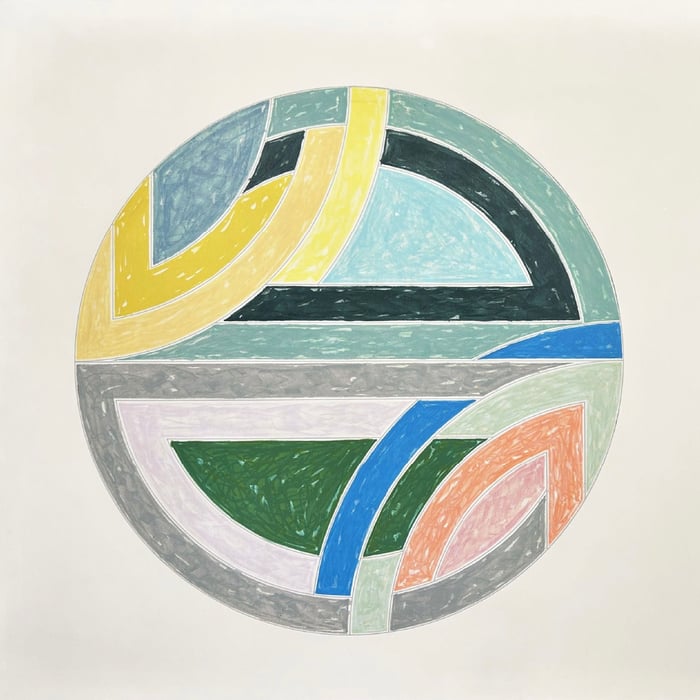
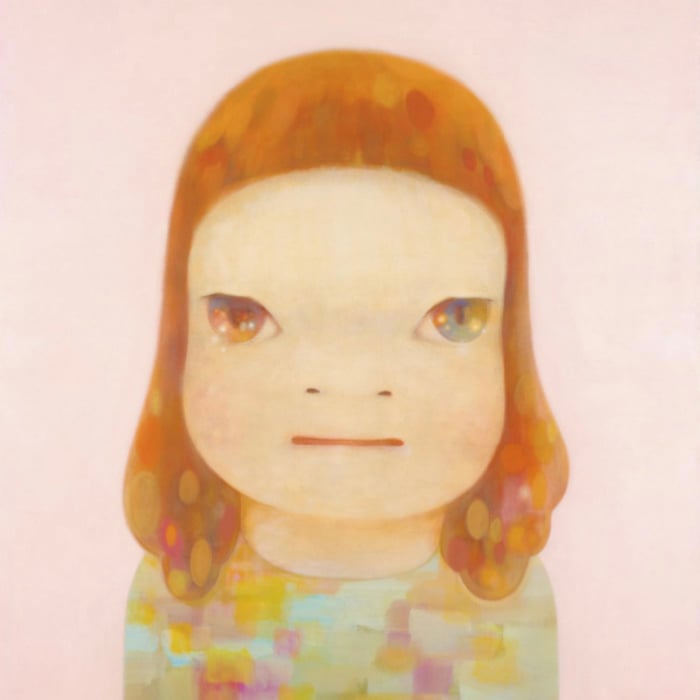

Appropriation in art involves using pre-existing images or objects with little or no modification. This technique has played a significant role across various art forms, including visual arts, music, performance, and literature. In visual arts, appropriation refers to the practice of adopting, sampling, recycling, or borrowing elements—or even entire forms—of existing visual culture, integrating them into new works to create meaning or critique.
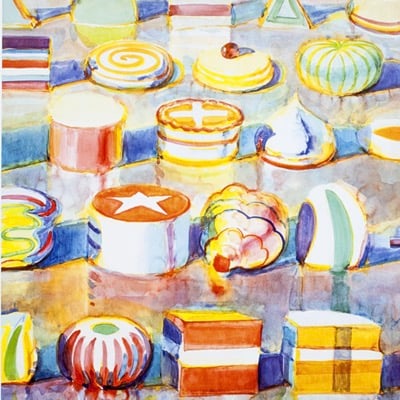
The Bay Area Figurative Movement, which also goes by the names Bay Area Figurative School, Bay Area Figurative Art, or Bay Area Figuration, came to existence in San-Francisco Bay Area. This was in the mid-20th century, when a group of artists from the area stopped working on the then popular Abstract Expressionism for a preference to figuration in painting. The movement lasted a total of two decades during the 1950's and 1960's.
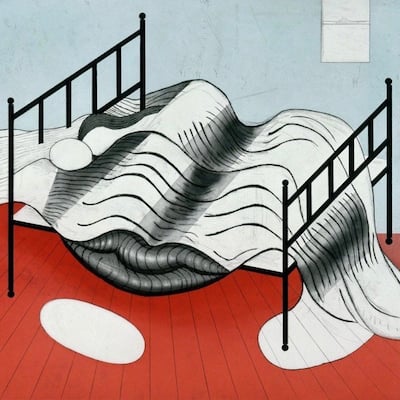
Postmodernism is an art movement that emerged as a reaction against authority and traditional boundaries, seeking to blur the lines between art and everyday life. It aimed to bridge the gap between the cultural elite and the general public by embracing eclectic mixtures of earlier conventions and styles. Postmodernist art often challenges established norms and celebrates diversity, irony, and pastiche, making it a movement that reflects the complexities of contemporary culture.
Can't find your Answer?
Thank you! Your question has been sent — we'll get back to you shortly.
