
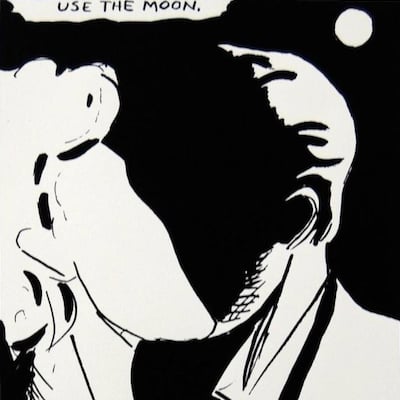
What is Comic Strip Art?
- Show All
- Established
- Discoveries
- Show All
Artworks Related to Comic Strip art

Andy Warhol
African Elephant, from Endangered Species (F. & S. 293), 1983
Limited Edition Print
Screen-print
Currently Not Available
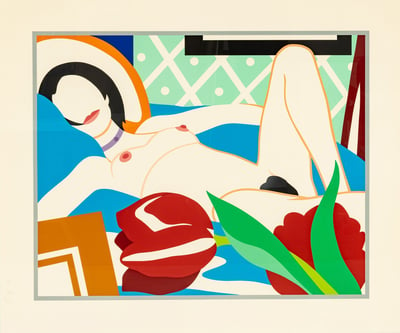
Tom Wesselmann
Monica with Tulips, 1989
Limited Edition Print
Screen-print
USD 12,950
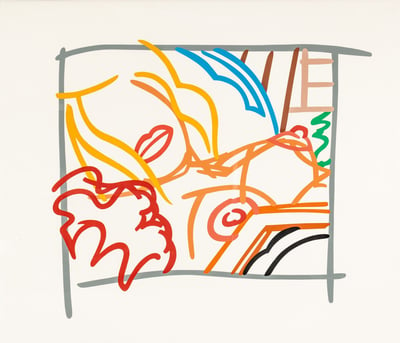
Tom Wesselmann
Bedroom Blonde Doodle with Photo, 1988
Limited Edition Print
Screen-print
USD 13,500
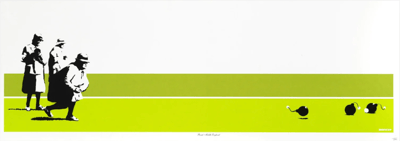
Banksy
Bomb Middle England (Unsigned), 2002
Limited Edition Print
Screen-print
GBP 15,000 - 2,000

Banksy
Western Super Mare, 2003
Limited Edition Print
Screen-print
GBP 15,000 - 2,000

Banksy
Napalm, 2004
Limited Edition Print
Screen-print
GBP 32,000 - 38,000

Andy Warhol
Campbell's Soup Can: Cream of Mushroom, 1968
Limited Edition Print
Screen-print
GBP 75,000 - 97,500
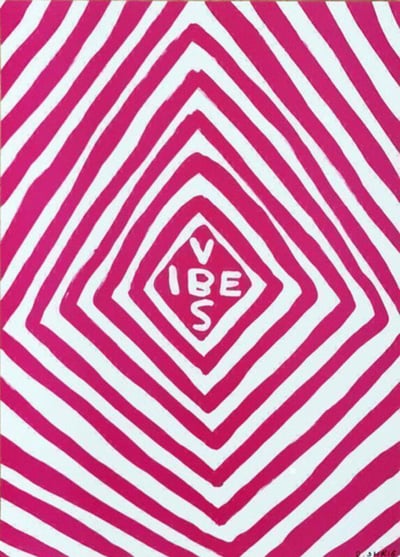
David Shrigley
Vibes, 2018
Limited Edition Print
Offset Print
GBP 3,000 - 5,000
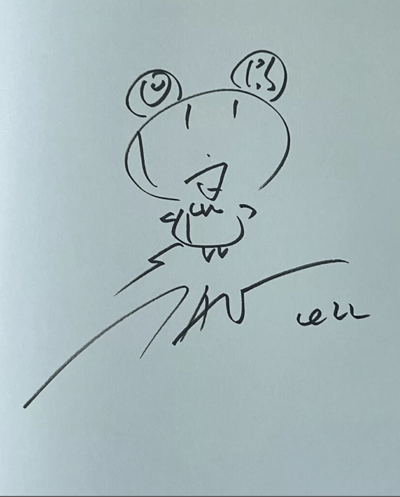
Takashi Murakami
Mr DOB, 2022
Drawing / Watercolor
Ink
GBP 15,000 - 19,500
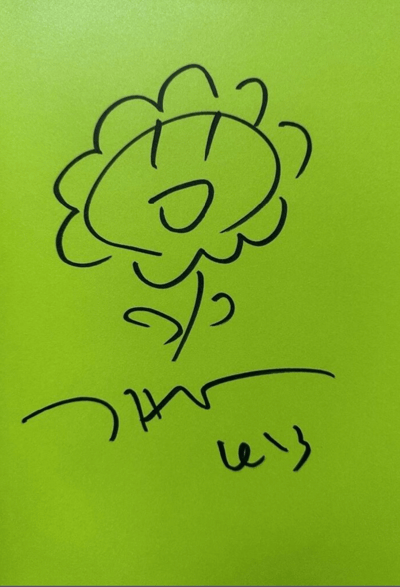
Takashi Murakami
Untitiled (Mr DOB), 2023
Drawing / Watercolor
Ink
GBP 17,500 - 22,700
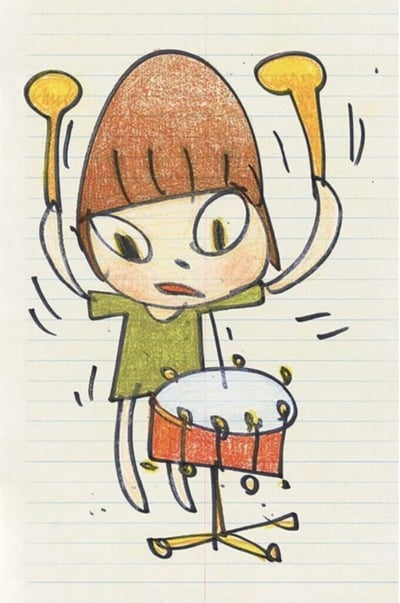
Yoshitomo Nara
Banging The Drum, 2020
Limited Edition Print
Offset Print
GBP 1,800

Banksy
Donuts - Strawberry, 2009
Limited Edition Print
Screen-print
Inquire For Price
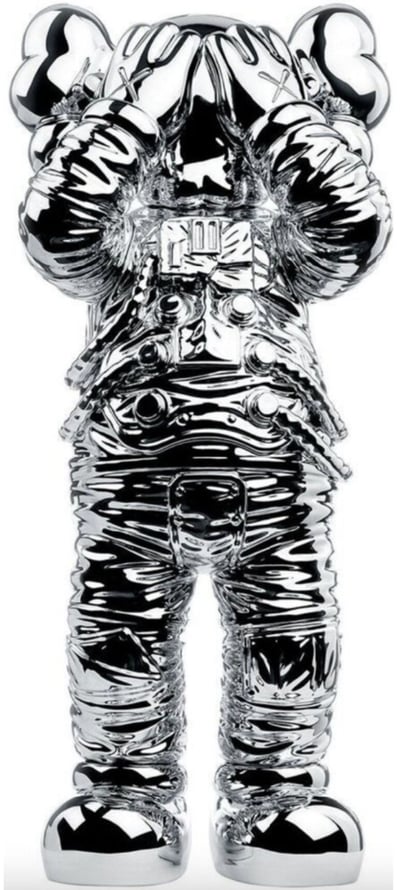
KAWS
Holiday Space: 11.5, 2020
Sculpture / Object
Mixed Media
GBP 3,500
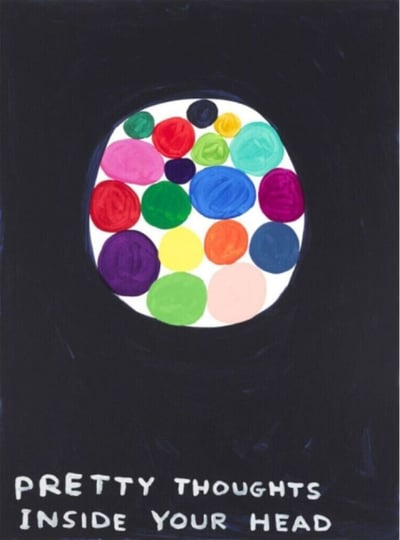
David Shrigley
Pretty Thoughts Inside Your Head, 2018
Limited Edition Print
Screen-print
Inquire For Price
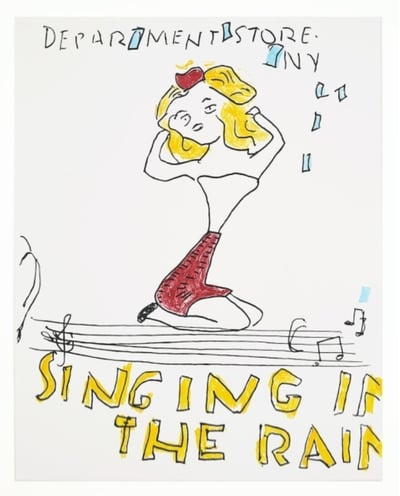
Rose Wylie
Singing in the Rain, 2019
Limited Edition Print
Mixed Media
GBP 5,500 - 7,100
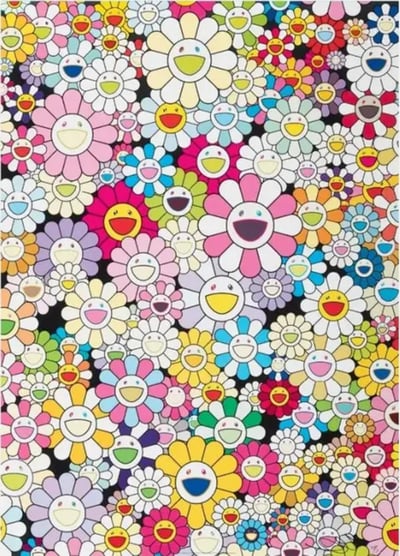
Takashi Murakami
Homage to Yves Klein, Multicolor A, 2012
Limited Edition Print
Offset Print
GBP 2,750 - 3,500
Related Articles


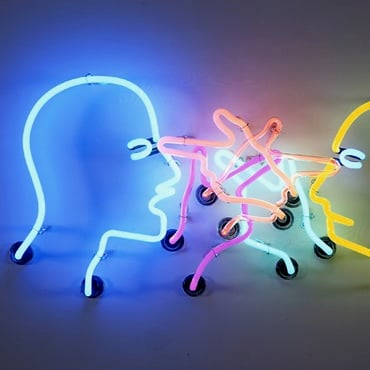
Process Art is an artistic movement and creative approach where the focus is on the act of creation rather than the final product. The term process in this context refers to the various stages of art-making, including gathering, sorting, associating, and organizing materials and actions. This movement emphasizes the artistic journey and the human expression involved in creating art, rather than the finished piece itself. Process Art is driven by inherent motivation, intentionality, and the rationale behind the actions, viewing the creative process as the true artwork.
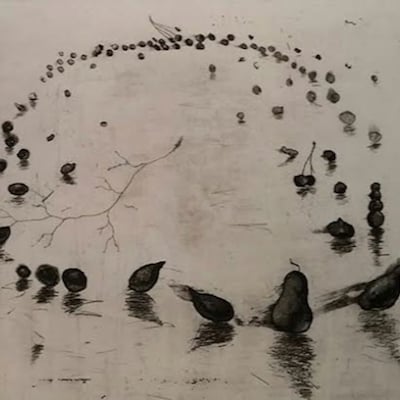
Drypoint is an intaglio printmaking technique where an image is incised onto a plate using a sharp, pointed tool, typically a needle made of metal or diamond. Traditionally, copper plates were used, but today zinc, plexiglass, or acetate are also common. Drypoint is easier for drawing artists to master compared to engraving, as the needle technique resembles drawing with a pencil rather than the more complex burin used in engraving.

Plaster is a mixture of heat-treated powdered gypsum combined with water to create a workable material. It can be used to make solid sculptures, cast in molds, carved, modeled, or attached to other materials. Artists have used plaster for both working models and finished artworks for centuries due to its versatility.
Can't find your Answer?
Thank you! Your question has been sent — we'll get back to you shortly.
