
What is drypoint?
- Show All
- Established
- Discoveries
- Show All
Artworks Related to Drypoint
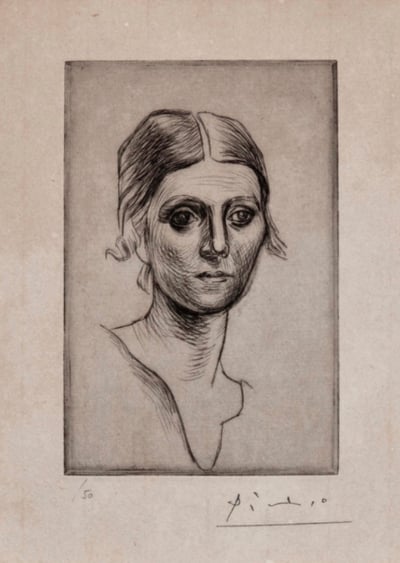
Pablo Picasso
Portrait d'Olga Picasso, 1920
Limited Edition Print
Drypoint
Artwork On Hold

Bernard Frize
Suite à onze, 2009
Limited Edition Print
Drypoint
EUR 2,000
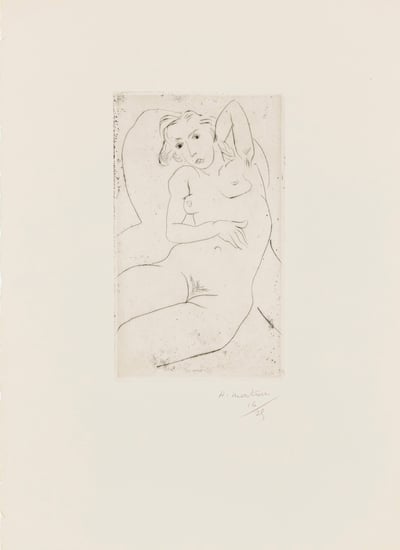
Henri Matisse
Nu assis-les yeux noris, 1926 / 1948
Limited Edition Print
Drypoint
USD 8,350

Thiebaud Wayne
Three Cows, 1991
Limited Edition Print
Drypoint
USD 11,300

Pablo Picasso
Aux trois acteurs (Suite Vollard 77), 1933
Limited Edition Print
Drypoint
EUR 5,500

Julie Mehretu
Amulet in Crowd, 2021
Limited Edition Print
Drypoint
GBP 7,140

Pablo Picasso
Filles entre elles, dont une avec une fleur, 1971
Limited Edition Print
Drypoint
Inquire For Price

Cy Twombly
Studio Lexington, 2008
Limited Edition Print
Drypoint
EUR 4,800

Richard Tuttle
Word of Mouth from Artist for Obama, 2008
Limited Edition Print
Drypoint
USD 1,350

Arnulf Rainer
En Face (schwarz), 1971 - 1972
Limited Edition Print
Drypoint
Currently Not Available

Arnulf Rainer
Kosmos II (violett), 2003
Limited Edition Print
Drypoint
Currently Not Available
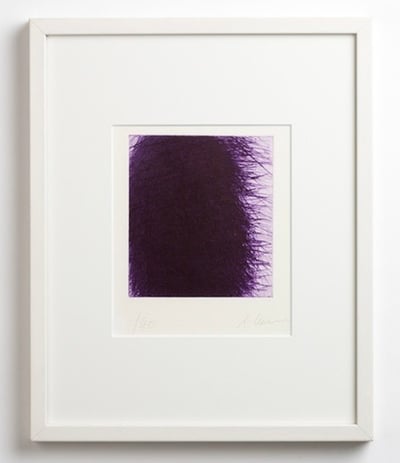
Arnulf Rainer
lila Wald, 2001
Limited Edition Print
Drypoint
Currently Not Available
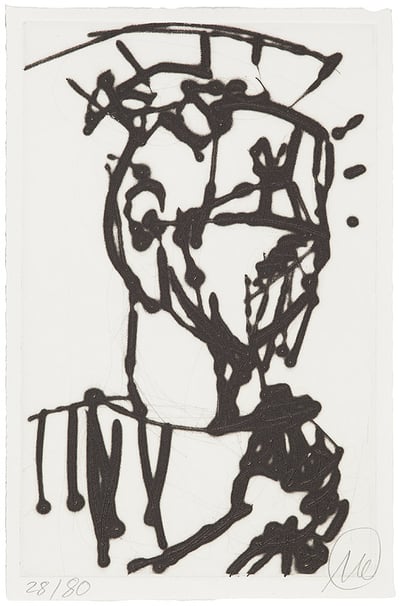
Markus Lupertz
Ohne Titel (portrait), 2008
Limited Edition Print
Drypoint
EUR 890

Richard Diebenkorn
Spade Drypoint, 1982
Limited Edition Print
Drypoint
Inquire For Price

Joan Miró
Emehpylop, 1968
Limited Edition Print
Drypoint
USD 9,700

Pablo Picasso
El Rapto De Jezabel Por Quirón El Centauro II, 1962
Limited Edition Print
Drypoint
EUR 9,560
Related Articles
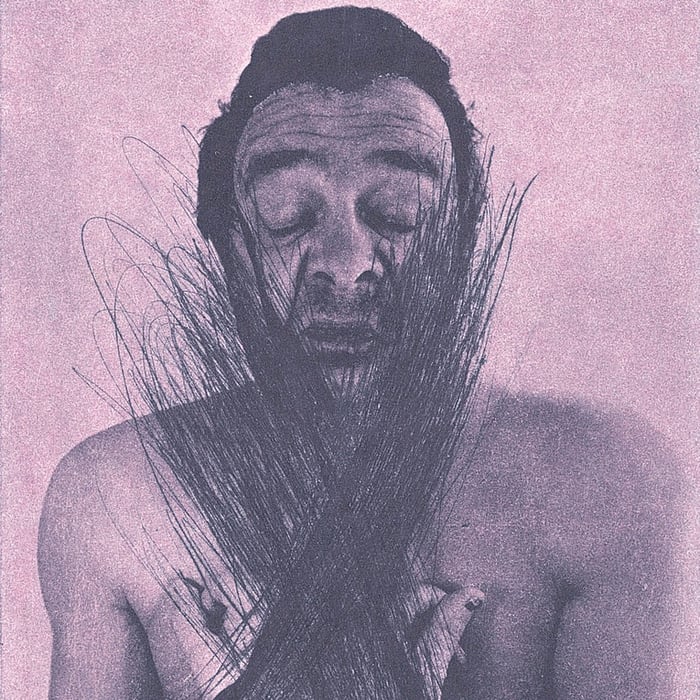

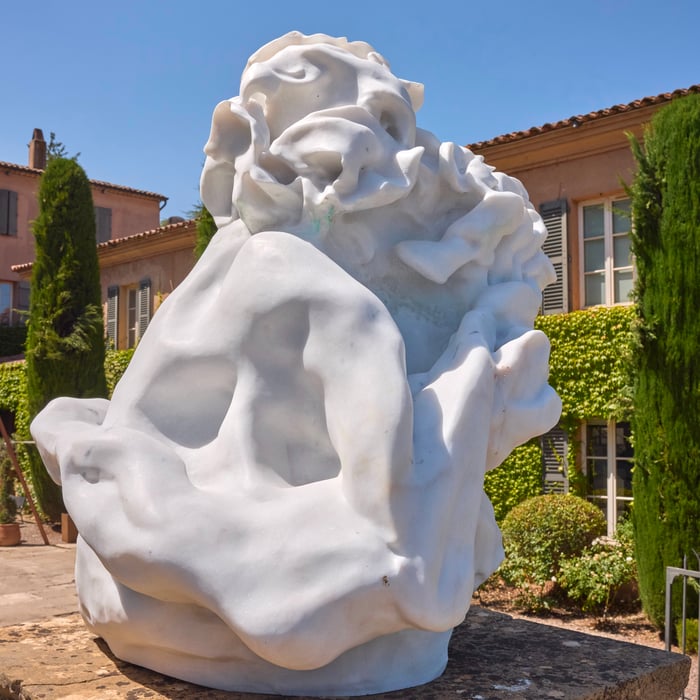

Spatialism is an art movement that originated in Italy in 1947, founded by Lucio Fontana with the intention of synthesizing sound, color, movement, and space into a new form of art. The movement's central ideas were outlined in Fontana's first manifesto, published in 1947, where he introduced the concept of spatial art to capture the spirit of the post-war era. His ideas were further developed in five subsequent manifestos. Although Fontana's ideas were sometimes considered vague, his influence was significant, as he was one of the first European artists to emphasize art as a performance and gesture.

Art Brut, a French term meaning Raw Art, was coined by Jean Dubuffet to describe art created outside the conventional fine arts tradition. Dubuffet used the term to refer to works made by self-taught artists, including the mentally ill, prisoners, and others on the margins of society. He also called it Outsider Art. This art is characterized by its raw, unrefined nature, often created without concern for traditional presentation or imitation.
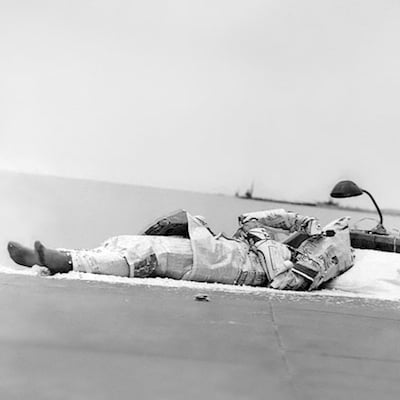
A Happening is a term used to describe artistic and theatrical events held by artists in the 1950s and 60s. These events were typically staged in gallery installations or planned environments and often involved audience participation, along with elements like lighting, sounds, and slide projections. Happenings were a precursor to performance art, which later included the active participation of the artists themselves.
Can't find your Answer?
Thank you! Your question has been sent — we'll get back to you shortly.
