
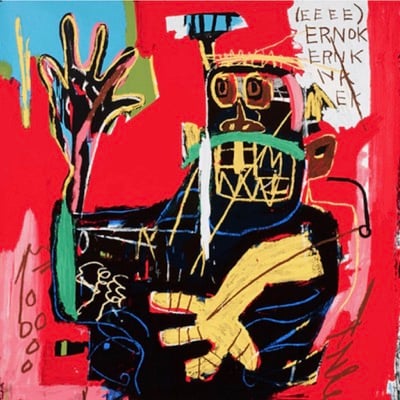
What is East Village Art?
- Show All
- Established
- Discoveries
- Show All
Artworks Related to East Village Art
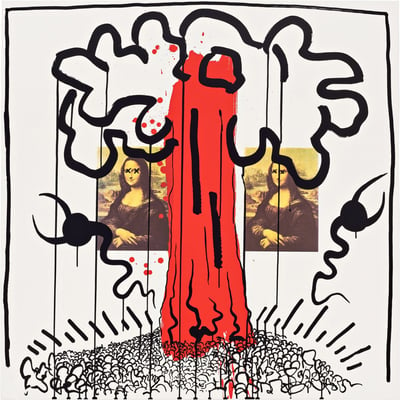
Keith Haring
Apocalypse 1, 1988
Limited Edition Print
Mixed Media
Currently Not Available

Donald Baechler
The brown rose, 2015
Limited Edition Print
Silkscreen
Currently Not Available
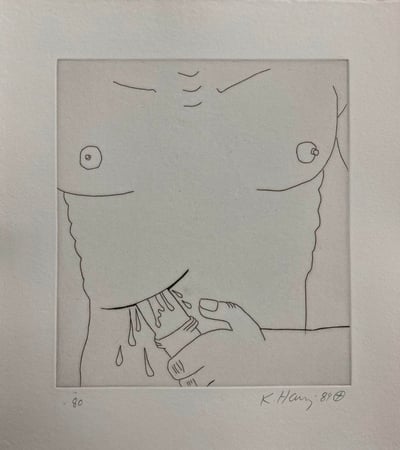
Keith Haring
Untitled from ''The Valley'', 1989
Limited Edition Print
Etching
USD 7,100

Jean-Michel Basquiat
Head, 2001
Limited Edition Print
Screen-print
Currently Not Available
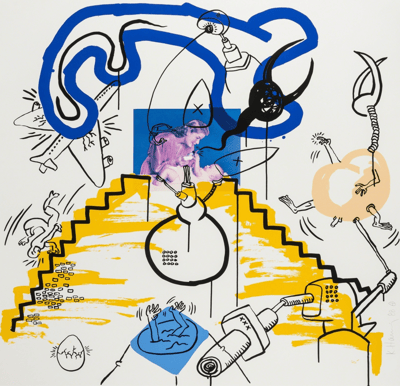
Keith Haring
Apocalypse 3, 1988
Limited Edition Print
Screen-print
EUR 12,250

Kiki Smith
Untitled - bite, 1988
Limited Edition Print
Digital Print on paper
USD 2,950

Peter Nagy
Four Cancer Logos, 1988
Limited Edition Print
Lithograph
USD 1,800
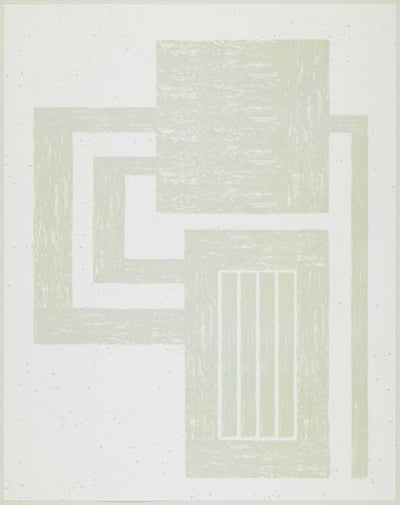
Peter Halley
Stack, 2015
Limited Edition Print
Mixed Media
EUR 3,500
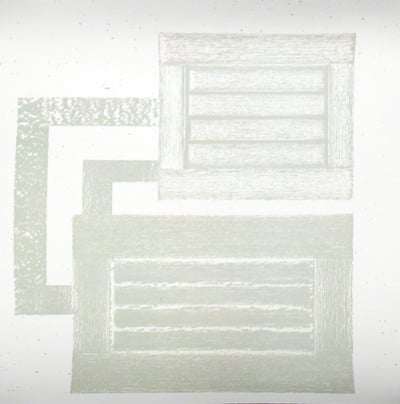
Peter Halley
Pure-Play, 2015
Limited Edition Print
Mixed Media
EUR 3,500

Peter Halley
Stop Word, 2015
Limited Edition Print
Mixed Media
EUR 3,500
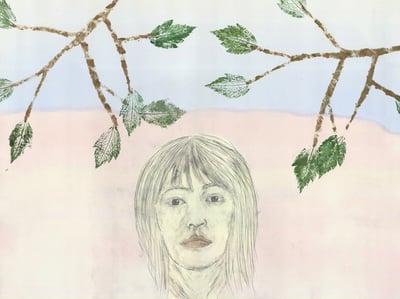
Kiki Smith
Moment B, 2006
Limited Edition Print
Lithograph
Currently Not Available
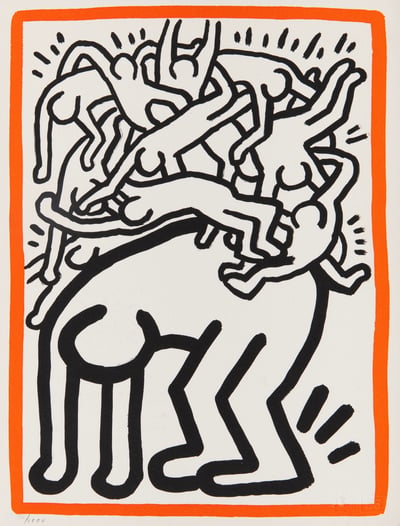
Keith Haring
Fight Aids Worldwide, 1990
Limited Edition Print
Lithograph
EUR 6,250
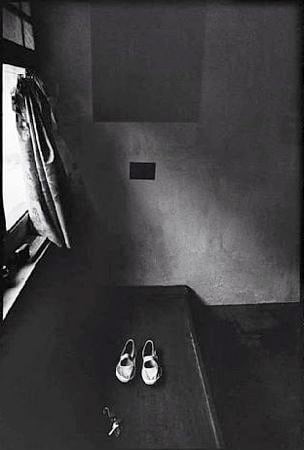
Rong Rong
East village 1994.3, 1994
Photography
Gelatin Silver Print
Currently Not Available
Related Articles
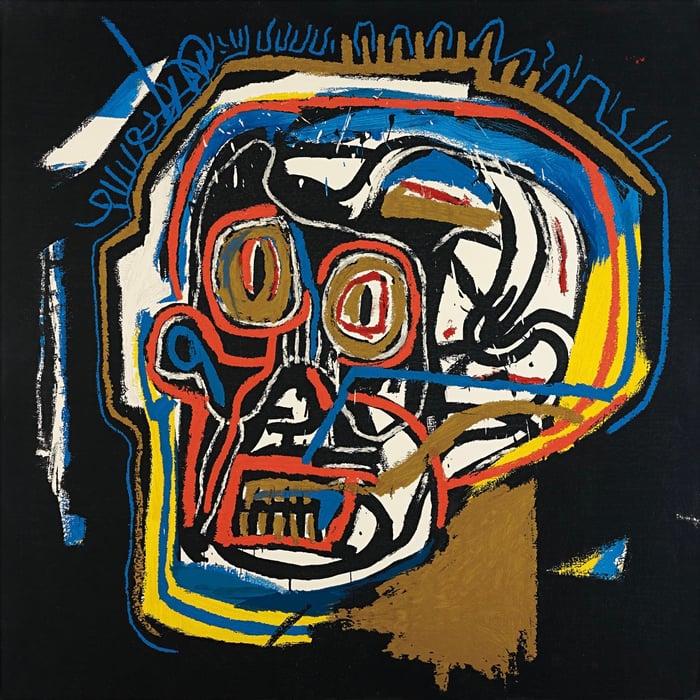

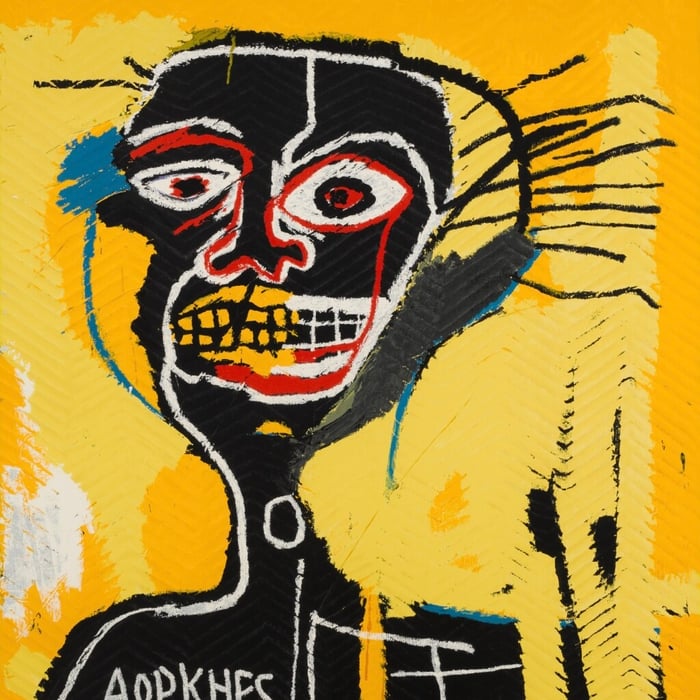

Lyrical abstraction is a descriptive term characterizing a type of abstract painting closely related to Abstract Expressionism, in use from the 1940s to the present. The term can also describe two distinct but related trends in post-World War II modernist painting. This art movement originated in Paris, France, after the war, emphasizing personal expression, spontaneity, and the emotional use of color and form.
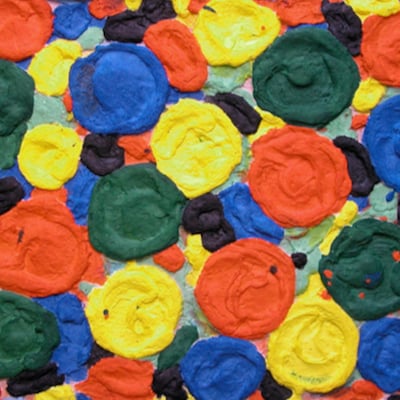
Aquagravure is a technique that combines multiple processes. It involves compressing wet paper pulp in a carved wood mold until the water drains off. The compressed paper is then painted, and ink is added to the mold to print onto the painted paper. The final work is allowed to dry. This method results in a unique textural and visual effect, blending elements of printmaking and papermaking.

ZERO was an art movement founded by Otto Piene and Heinz Mack, aiming to develop into a large international and cross-border movement. The name ZERO originated from a magazine founded by Heinz Mack in 1957, which became a platform for the group's ideas. The magazine was published for several years before ceasing in 1967. The ZERO movement sought to create a new beginning in art, emphasizing light, space, and movement, and became influential in post-war European art.
Can't find your Answer?
Thank you! Your question has been sent — we'll get back to you shortly.
