
What is Etching and Aquatint?
- Show All
- Established
- Discoveries
- Show All
Artworks Related to Etching and Aquatint

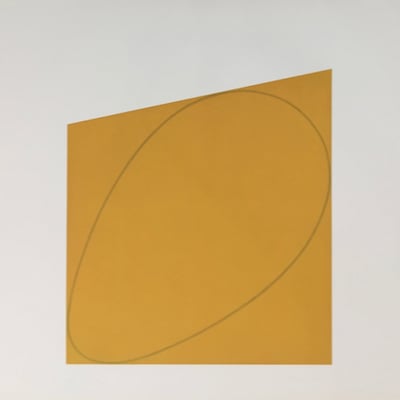
Helen Frankenthaler
Earth Slice, 1978
Limited Edition Print
Etching and Aquatint
USD 11,500

Jasper Johns
Periscope, 1981
Limited Edition Print
Etching and Aquatint
USD 25,000 - 30,000
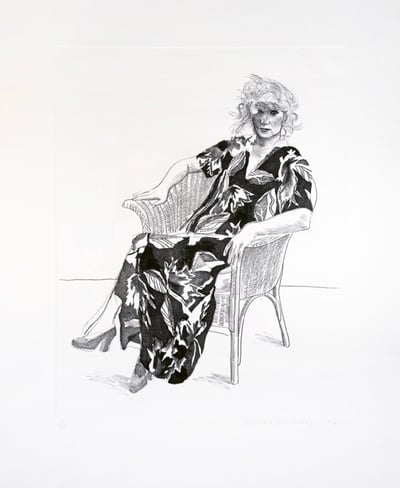
David Hockney
Celia in Wicker Chair (black state), 1974 (printed in 1981)
Limited Edition Print
Etching and Aquatint
Currently Not Available
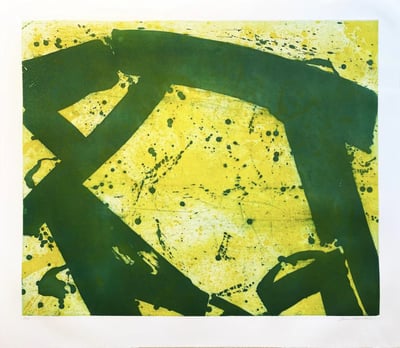
Sam Francis
Untitled (SFE-073RC), 1973
Limited Edition Print
Etching and Aquatint
USD 7,800
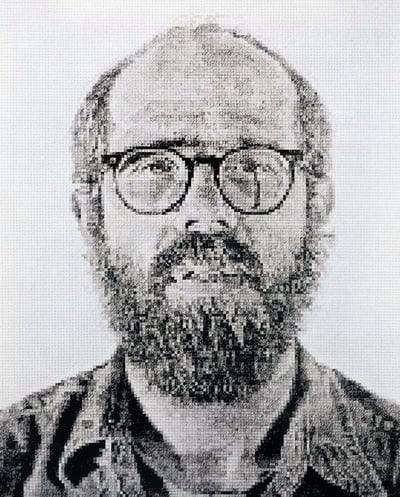
Chuck Close
Self Portrait/White Ink, 1978
Limited Edition Print
Etching and Aquatint
USD 27,000 - 35,000
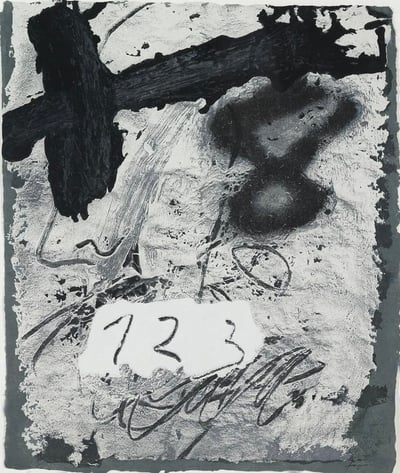
Antoni Tapies
Informal, 1987
Limited Edition Print
Etching and Aquatint
EUR 5,625

Antoni Tapies
Forma Ombrejada, 1987
Limited Edition Print
Etching and Aquatint
EUR 5,625

Allen Jones
Catwalk, 1999
Limited Edition Print
Etching and Aquatint
USD 6,600
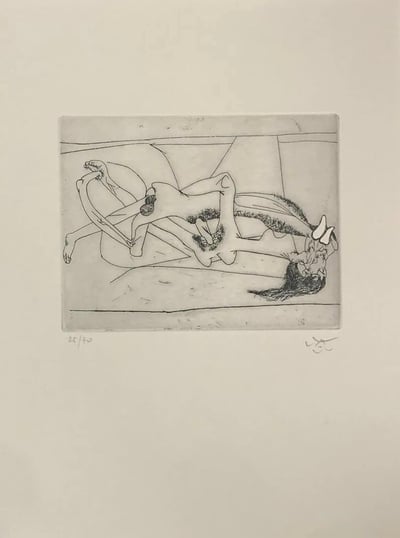
Roberto Matta
Untitled 212 (From the New School), 1980
Limited Edition Print
Etching and Aquatint
USD 850
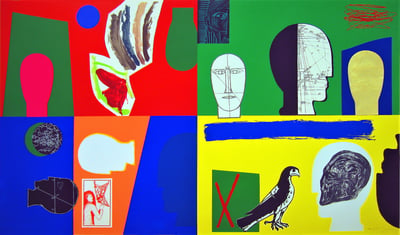
Mimmo Paladino
Stupor Mundi, 2011
Limited Edition Print
Etching and Aquatint
EUR 4,200

James Rosenquist
Federal Spending, 1978
Limited Edition Print
Etching and Aquatint
Inquire For Price
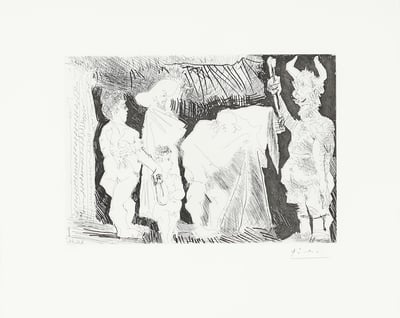
Pablo Picasso
Le Cocu Posant pour une photographie devant des spectateurs, 1966
Limited Edition Print
Etching and Aquatint
USD 7,950

Marc Chagall
Composition A L'Horloge, 1967
Limited Edition Print
Etching and Aquatint
EUR 5,000

Marc Chagall
Le Veau d'or, 1958
Limited Edition Print
Etching and Aquatint
Currently Not Available
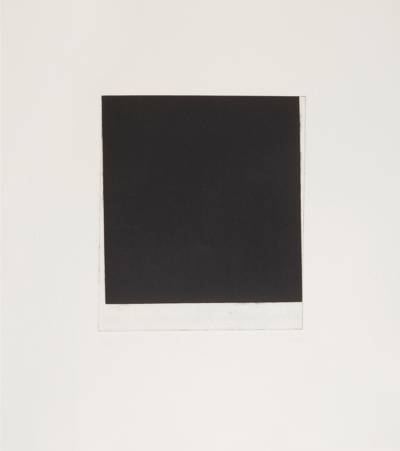
Ellsworth Kelly
Wall, 1976-1979
Limited Edition Print
Etching and Aquatint
USD 6,790

James Rosenquist
Swing Screen, 1976
Limited Edition Print
Etching and Aquatint
Inquire For Price
Related Articles
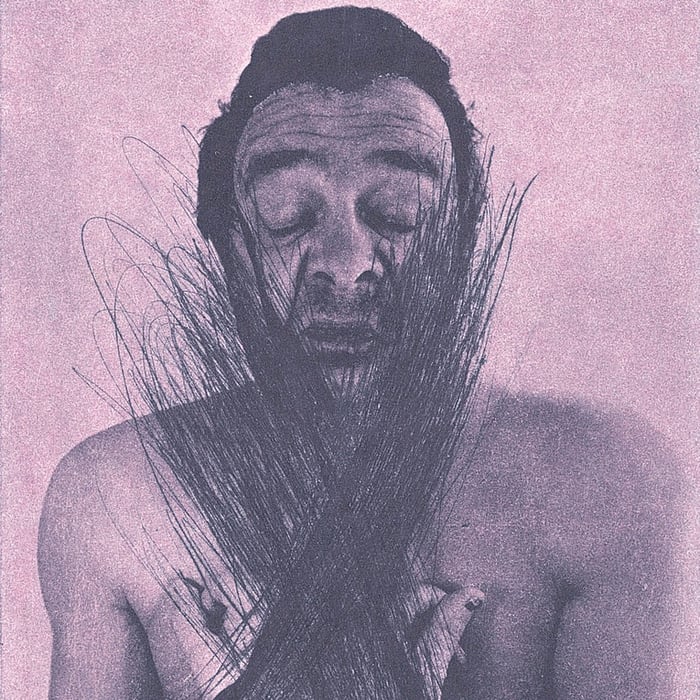


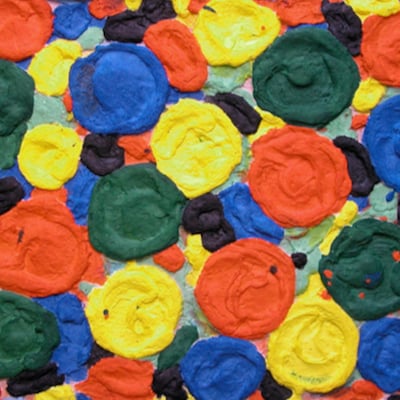
Aquagravure is a technique that combines multiple processes. It involves compressing wet paper pulp in a carved wood mold until the water drains off. The compressed paper is then painted, and ink is added to the mold to print onto the painted paper. The final work is allowed to dry. This method results in a unique textural and visual effect, blending elements of printmaking and papermaking.

A limited edition print is one of a number of prints made at the same time from one printmaking plate. A fixed number are made and signed by the artist, indicating the printing order, using the format 1/10, meaning first of ten prints.
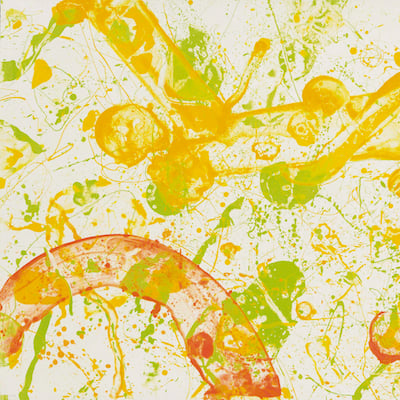
Tachisme is a French abstract painting style that gained popularity between 1940 and 1950, often seen as the European counterpart to Abstract Expressionism. However, there are stylistic differences between the two. Tachisme, which emerged from Art Informel, rejected geometric abstraction in favor of more intuitive and spontaneous expression. It was a reaction against the structured forms of Cubism and is closely related to Informalism. Tachisme emphasizes gestural brushwork, irregular forms, and a focus on the process of painting itself.
Can't find your Answer?
Thank you! Your question has been sent — we'll get back to you shortly.
