
What is Etching and Aquatint?
- Show All
- Established
- Discoveries
- Show All
Artworks Related to Etching and Aquatint

Joan Miró
Serie Mallorca - D618, 1973
Limited Edition Print
Etching and Aquatint
USD 6,200
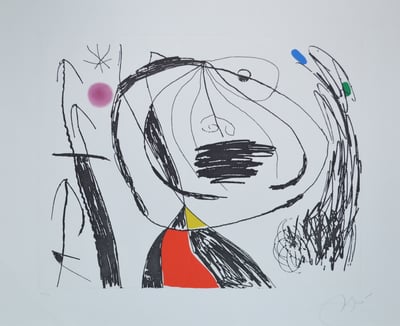
Joan Miró
Série Mallorca 5 - D615, 1973
Limited Edition Print
Etching and Aquatint
USD 6,500
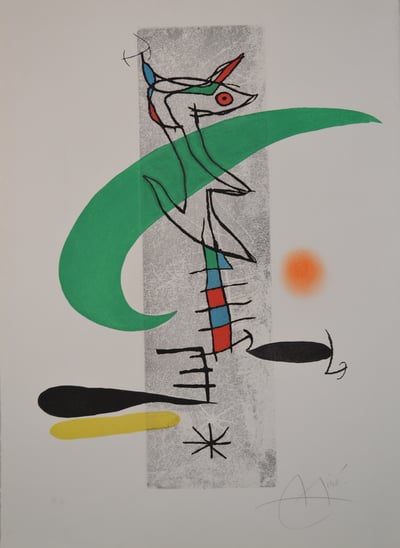
Joan Miró
Translunaire - D659, 1974
Limited Edition Print
Etching and Aquatint
USD 7,200

Joan Miró
Demi Mondaine A Sa Fenetre - D742, 1975
Limited Edition Print
Etching and Aquatint
USD 7,200
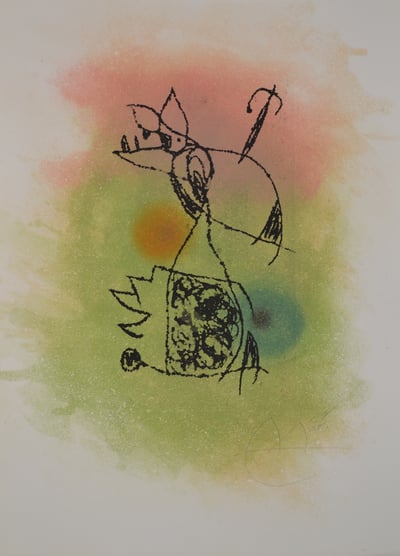
Joan Miró
Le Criquet - D1021, 1978
Limited Edition Print
Etching and Aquatint
USD 6,500

Joan Miró
Le Roi des lapins, 1981
Limited Edition Print
Etching and Aquatint
Currently Not Available
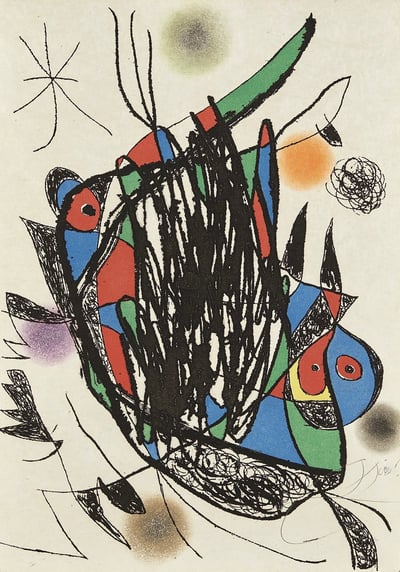
Joan Miró
Passage De L'Egyptienne 5, 1985
Limited Edition Print
Etching and Aquatint
EUR 7,200
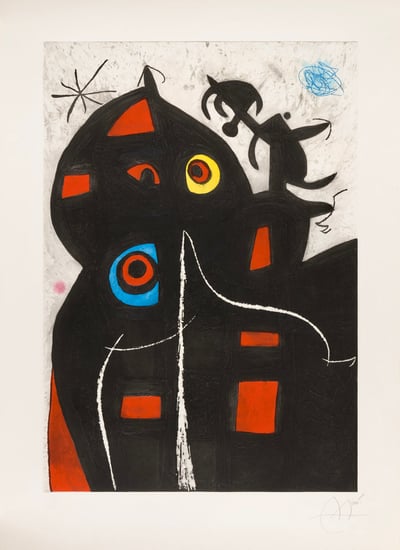
Joan Miró
Pantagruel, 1978
Limited Edition Print
Etching and Aquatint
EUR 30,000

Joan Miró
La chevelure De Bérénice II, 1963
Limited Edition Print
Etching and Aquatint
EUR 6,250

Joan Miró
Gravures Pour Une Exposition , 1973
Limited Edition Print
Etching and Aquatint
EUR 10,800
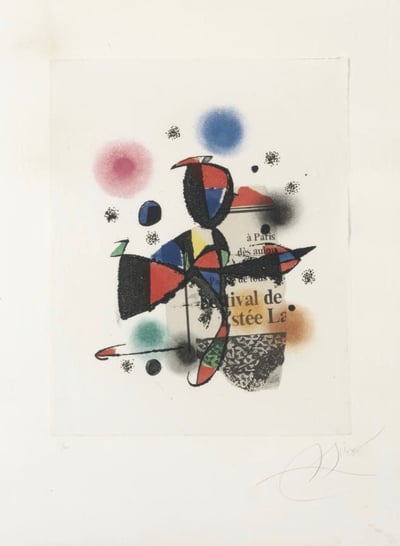
Joan Miró
Gaudi XV, 1979
Limited Edition Print
Etching and Aquatint
EUR 9,600

Joan Miró
Passage De L'Egyptienne 4, 1985
Limited Edition Print
Etching and Aquatint
EUR 7,200
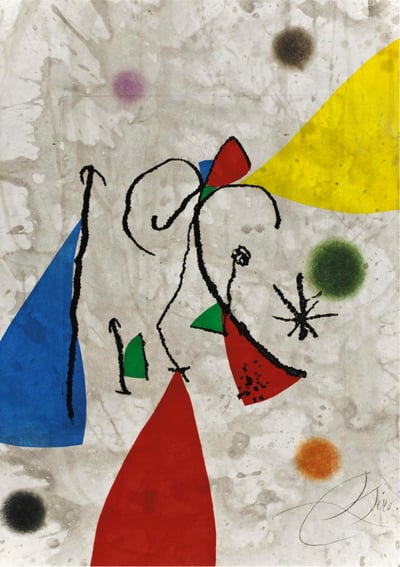
Joan Miró
Passage De L'Egyptienne, 10, 1985
Limited Edition Print
Etching and Aquatint
Currently Not Available

Peter Doig
Boathouse, 2004
Limited Edition Print
Etching and Aquatint
EUR 3,000

Pablo Picasso
Le Cocu Magnifique (noir), 1966
Limited Edition Print
Etching and Aquatint
USD 7,600
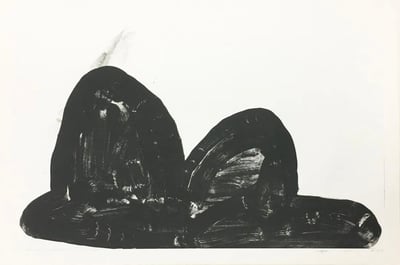
Joel Shapiro
Untitled 1980-1982 II, 1982
Limited Edition Print
Etching and Aquatint
USD 1,650
Related Articles


Assemblage is an artistic process involving the combination of three-dimensional objects to create a work of art. The term, which originates from the French word for assembly, often involves the use of found objects like leaves, stones, discarded items, or recycled materials. These objects are arranged creatively to form a unique and often thought-provoking artwork.

Meaning School of Things, Mono-ha originated in Tokyo in the mid-1960s. Instead of creating traditional artwork, the artists of Mono-ha used different materials and their natural properties to express dismay at the industrialization taking place in Japan at the time. The movement gained international attention and is now a widely respected form of art, known for its emphasis on the relationship between materials and their environment.

Recto and verso are terms used to describe the right and left pages of an open book, or the front and back of a sheet of paper. In both cases, recto refers to the right-hand page or the front of the paper, while verso refers to the left-hand page or the back of the paper. These terms are commonly used in bookbinding, printmaking, and art to distinguish between the two sides of a sheet.
Can't find your Answer?
Thank you! Your question has been sent — we'll get back to you shortly.
