
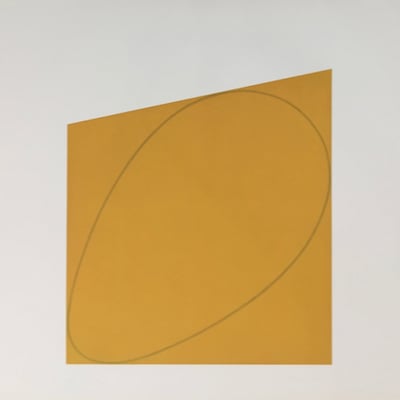
What is Etching and Aquatint?
- Show All
- Established
- Discoveries
- Show All
Artworks Related to Etching and Aquatint
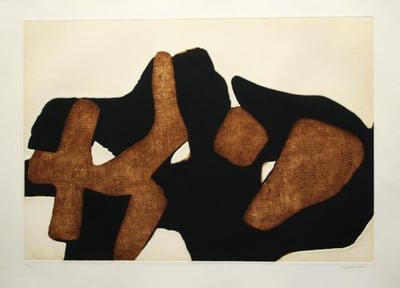
Conrad Marca-Relli
Composition IV, 1977
Limited Edition Print
Etching and Aquatint
EUR 1,560
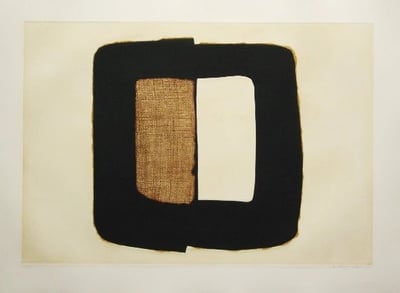
Conrad Marca-Relli
Composition III, 1977
Limited Edition Print
Etching and Aquatint
EUR 1,560

Wifredo Lam
Contre une maison sèche (light), 1977
Limited Edition Print
Etching and Aquatint
USD 1,100
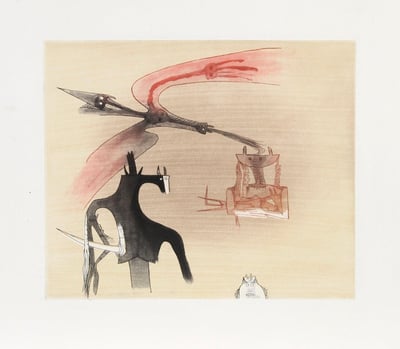
Wifredo Lam
Contre une maison sèche (red), 1977
Limited Edition Print
Etching and Aquatint
USD 1,100

Pol Bury
Presenza grafica, 1973
Limited Edition Print
Etching and Aquatint
Currently Not Available

Martin Kippenberger
Eierman, 1996
Limited Edition Print
Etching and Aquatint
Currently Not Available

David Rodríguez Caballero
07.Octubre.2017, 2017
Limited Edition Print
Etching and Aquatint
EUR 3,500

David Rodríguez Caballero
06.Octubre.2017, 2017
Limited Edition Print
Etching and Aquatint
Currently Not Available

David Rodríguez Caballero
09.Octubre.2017, 2017
Limited Edition Print
Etching and Aquatint
EUR 3,500

David Rodríguez Caballero
08.Octubre.2017, 2017
Limited Edition Print
Etching and Aquatint
EUR 3,500

David Rodríguez Caballero
05.Octubre.2017, 2017
Limited Edition Print
Etching and Aquatint
EUR 3,500

Katia Santibañez
La espiral caprichosa , 2013
Limited Edition Print
Etching and Aquatint
EUR 800

Katia Santibañez
El profundo resplandor, 2013
Limited Edition Print
Etching and Aquatint
EUR 800

Katia Santibañez
El viaje de mis sueños , 2013
Limited Edition Print
Etching and Aquatint
EUR 800

Albert Ràfols-Casamada
Signe i color - 2 , 1991
Limited Edition Print
Etching and Aquatint
EUR 700
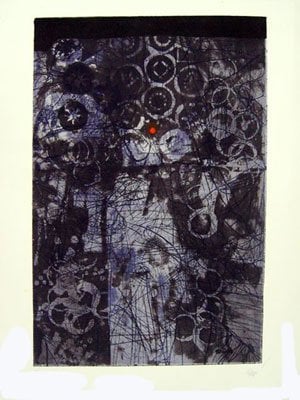
Antoni Clave
Etoiles et signes, 1968
Limited Edition Print
Etching and Aquatint
EUR 1,300
Related Articles


Charcoal is made from charred wood and is used in both initial sketches and finished drawings. It can be easily smudged or erased, making it versatile for corrections. To make charcoal drawings permanent, a fixative like resin or gum is required. It’s especially useful for sketching first ideas on walls or canvas.

Earth art, also known as Land Art, emerged in the 1960s and 70s as part of the conceptual art movement. It involves creating artworks by sculpting the land or constructing structures in the landscape using natural materials like earth, rocks, or twigs. These works are often large-scale and emphasize the relationship between art and nature.

Also known as Dadaism, Dada was a literary and artistic movement that began in 1916 in Zurich, Switzerland. It emerged as a rejection of rationalism and nationalism, which were seen as contributing factors to World War I. The movement had political undertones and was strongly anti-war. Dada activities included demonstrations, gatherings, and the publication of literary and art journals that explored cultural and political topics.
Can't find your Answer?
Thank you! Your question has been sent — we'll get back to you shortly.
