
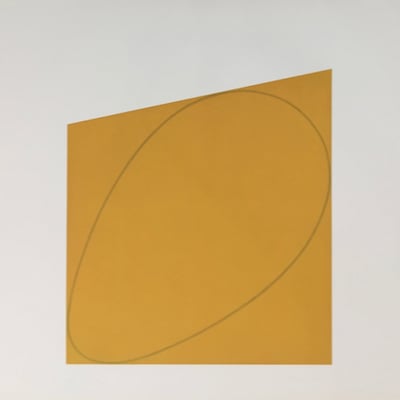
What is Etching and Aquatint?
- Show All
- Established
- Discoveries
- Show All
Artworks Related to Etching and Aquatint
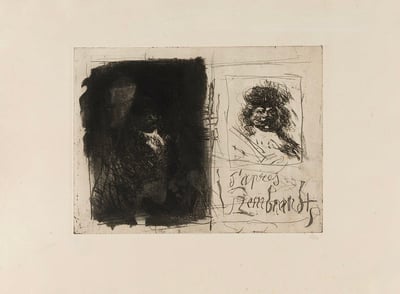
Antoni Clave
D'apres Rembrandt I-I, 1966
Limited Edition Print
Etching and Aquatint
EUR 1,150

Man Ray
Seria Electro Magie II, 1969
Limited Edition Print
Etching and Aquatint
EUR 1,350
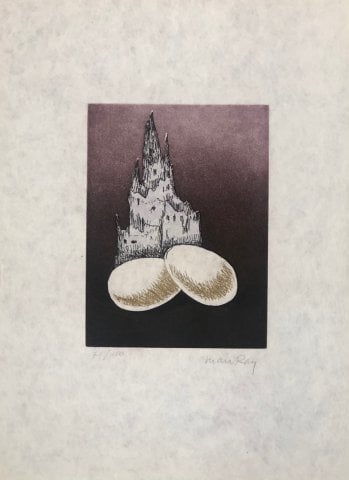
Man Ray
Seria Electro Magie I, 1969
Limited Edition Print
Etching and Aquatint
EUR 1,350

Claes Oldenburg
Ice cream desserts - Praline (A. & P. 162), 1976
Limited Edition Print
Etching and Aquatint
Inquire For Price
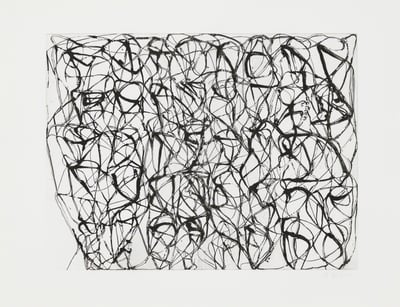
Brice Marden
Cold Mountain, 1991
Limited Edition Print
Etching and Aquatint
Currently Not Available
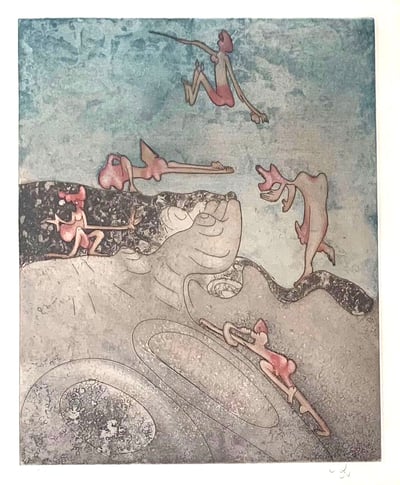
Roberto Matta
Untitled (from Così Fan Tutte) #7, 1970
Limited Edition Print
Etching and Aquatint
USD 1,875

Roberto Matta
Untitled (from Così Fan Tutte) #6, 1970
Limited Edition Print
Etching and Aquatint
USD 1,875

Roberto Matta
Untitled (from Così Fan Tutte) #5, 1970
Limited Edition Print
Etching and Aquatint
USD 1,875

Roberto Matta
Untitled (from Così Fan Tutte) #3, 1970
Limited Edition Print
Etching and Aquatint
USD 1,875

Roberto Matta
Untitled (from Così Fan Tutte) #2, 1970
Limited Edition Print
Etching and Aquatint
USD 1,875

Roberto Matta
Untitled (from Così Fan Tutte) #1, 1970
Limited Edition Print
Etching and Aquatint
USD 1,875
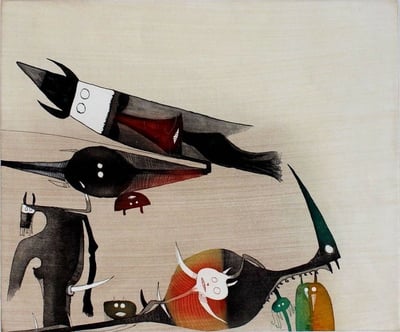
Wifredo Lam
Sans titre - XXe siecle plate #5, 1977
Limited Edition Print
Etching and Aquatint
USD 1,100

Karel Appel
Como el Viento, 1988
Limited Edition Print
Etching and Aquatint
EUR 1,700

Georg Baselitz
Sono sei piedi, 2015
Limited Edition Print
Etching and Aquatint
Currently Not Available
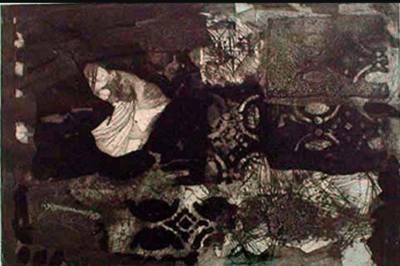
Antoni Clave
Pochoirs I, 1968
Limited Edition Print
Etching and Aquatint
EUR 1,150

Martin Chirino
Obra Gráfica, 1973
Limited Edition Print
Etching and Aquatint
EUR 6,250
Related Articles
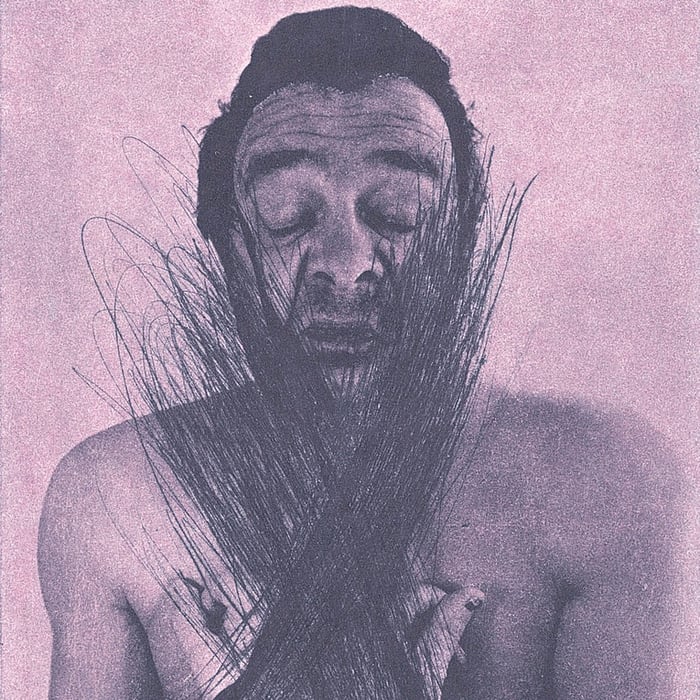


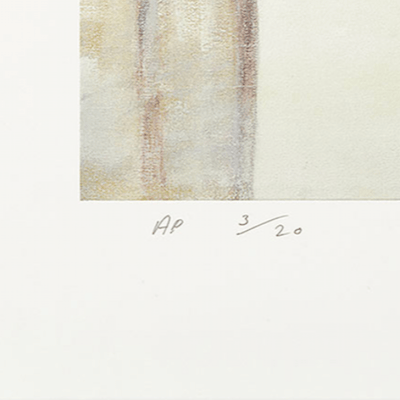
An artist proof traditionally refers to a print impression taken during the printing process to evaluate the current state of the artwork as the artist works on the plate. These proofs often show incomplete images and are sometimes called trial impressions or working proofs. However, in modern practice, an artist proof typically refers to an impression of the finished work that is identical to the numbered edition copies but is set aside for the artist's personal use. Artist proofs are usually marked A.P. and may be considered more valuable by collectors due to their limited availability.

Etching is a technique where a design is created on a metal surface by using a strong acid or mordant to eat away the unprotected parts of the metal, leaving the desired pattern in relief (intaglio). In modern art and manufacturing, different chemicals may be used depending on the material being etched.

A triptych is an artwork divided into three sections or panels, often hinged together, allowing it to be displayed open or folded shut. It is a type of polyptych, a term for multi-panel artworks. Typically, the central panel is the largest, flanked by two smaller panels, although some triptychs have panels of equal size. Triptychs have been historically significant in religious art but are also used in contemporary works.
Can't find your Answer?
Thank you! Your question has been sent — we'll get back to you shortly.
