

What is Figuration Libre?
- Show All
- Established
- Discoveries
- Show All
Artworks Related to Figuration Libre

Karel Appel
Sound, 1979
Limited Edition Print
Mixed Media
USD 1,400

Keith Haring
Keith Haring Table Lamp, 1988
Sculpture / Object
Mixed Media
USD 2,900

Karel Appel
Face, 1979
Limited Edition Print
Mixed Media
USD 1,400

Karel Appel
Lying in Red, 1979
Limited Edition Print
Mixed Media
USD 1,400

Karel Appel
Deux Personnages, 1978
Limited Edition Print
Mixed Media
USD 1,570
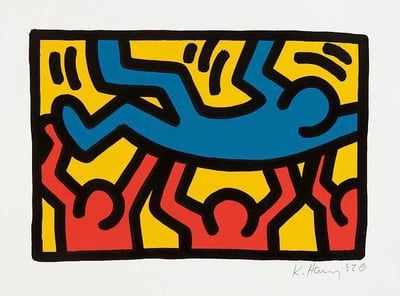
Keith Haring
Untitled (Crowd - Plate 2), 1987
Limited Edition Print
Lithograph
USD 30,500
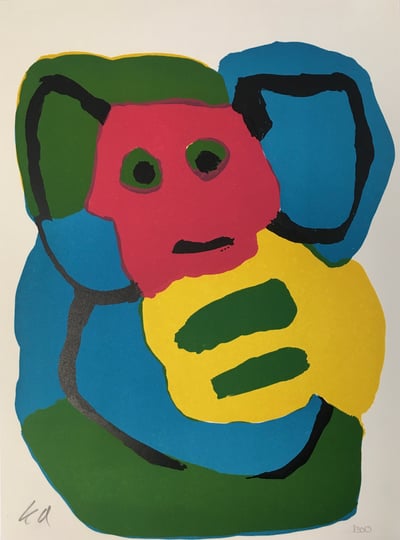
Karel Appel
The Bear
Limited Edition Print
Lithograph
USD 775
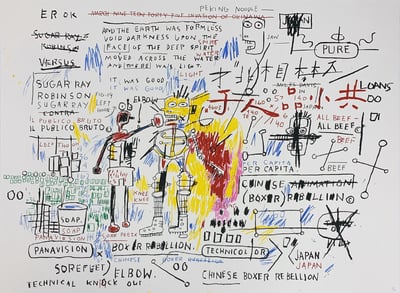
Jean-Michel Basquiat
Boxer Rebellion, 1982-83/2018
Limited Edition Print
Screen-print
USD 60,000 - 80,000

Karel Appel
About a Cat, 1979
Limited Edition Print
Lithograph
USD 750
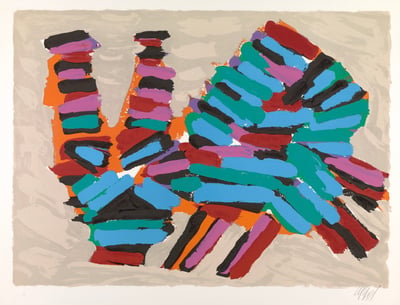
Karel Appel
Frightened Cat, 1979
Limited Edition Print
Lithograph
USD 750
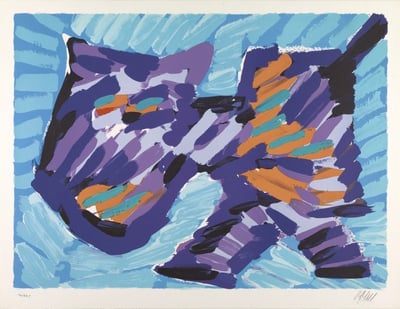
Karel Appel
Walking Cat, 1979
Limited Edition Print
Lithograph
USD 750
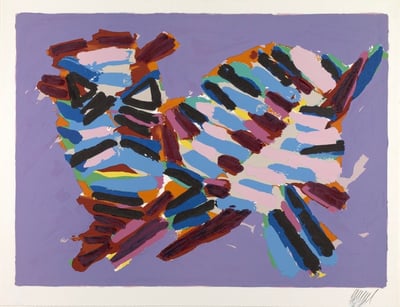
Karel Appel
Innocent Cat, 1979
Limited Edition Print
Lithograph
USD 750
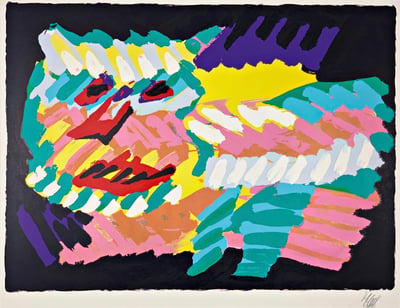
Karel Appel
Pink Cat, 1979
Limited Edition Print
Lithograph
USD 750

Keith Haring
Portrait of Joseph Beuys, 1986
Limited Edition Print
Screen-print
USD 10,850
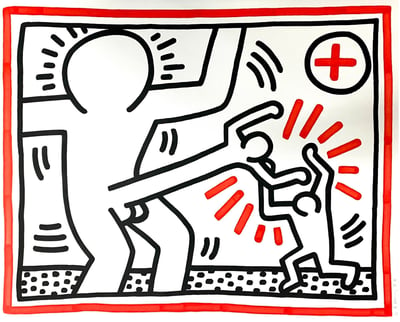
Keith Haring
Untitled (Cockfight), 1985
Limited Edition Print
Lithograph
USD 42,900

Keith Haring
International Youth Year, 1985
Limited Edition Print
Lithograph
USD 14,300
Related Articles

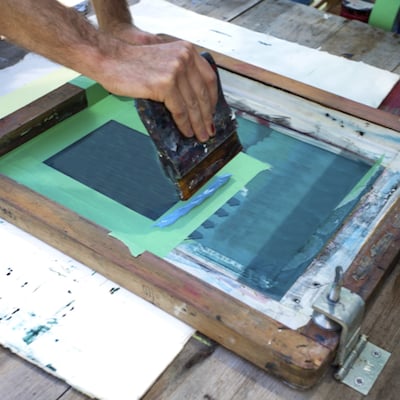
Serigraph is a printmaking process that uses silk screen techniques to create an image. The image is digitally separated into individual colors, each of which is assigned to a separate silk screen. These screens are then used to apply each color by hand, layer by layer, to replicate the original artwork, often based on an oil painting.

Appropriation in art involves using pre-existing images or objects with little or no modification. This technique has played a significant role across various art forms, including visual arts, music, performance, and literature. In visual arts, appropriation refers to the practice of adopting, sampling, recycling, or borrowing elements—or even entire forms—of existing visual culture, integrating them into new works to create meaning or critique.

Neo-Figurative Art is a collective term that refers to the revival of figurative art in America and Europe during the 1960s, following a period dominated by abstraction. Michel Ragon, a French art critic, argued that this resurgence of figuration occurred during a critical time of social and political upheaval in both regions.
Can't find your Answer?
Thank you! Your question has been sent — we'll get back to you shortly.
