

What is Futurism?
Futurism was an early 20th-century art movement that sought to capture the energy and dynamism of the modern world. The movement was launched by Italian poet Filippo Tommaso Marinetti, who published the Manifesto of Futurism on February 20, 1909. Futurism denounced the past and passionately embraced technology, industry, and the speed of modern life.
Show All
- Show All
- Established
- Discoveries
Show All
- Show All
Artworks Related to Futurism
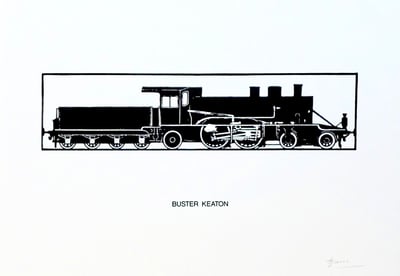
Joan Brossa
Buster Keaton , 1989
Limited Edition Print
Lithograph
EUR 1,000
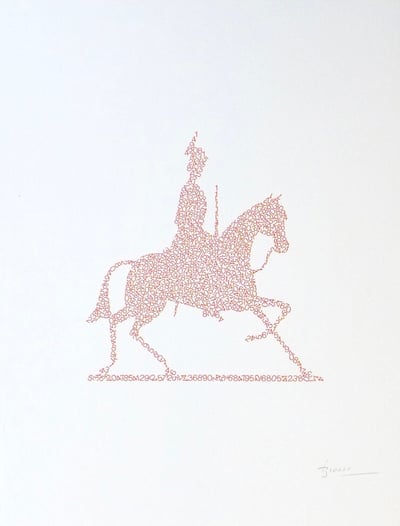
Joan Brossa
Poema visual 4, 1989
Limited Edition Print
Lithograph
EUR 1,000
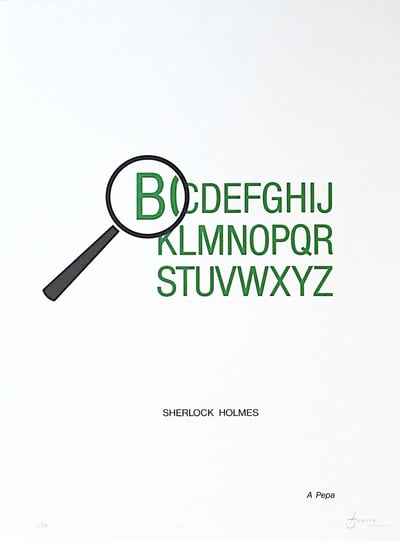
Joan Brossa
Sherlock Holmes, 1989
Limited Edition Print
Lithograph
Currently Not Available
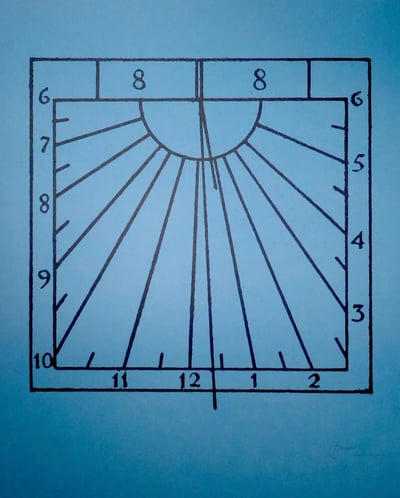
Joan Brossa
Rellotge de sol, 1989
Limited Edition Print
Lithograph
EUR 1,000
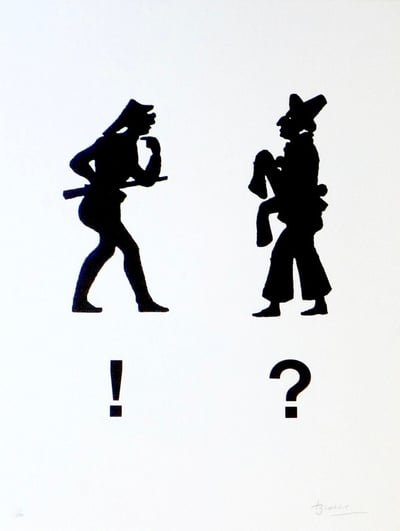
Joan Brossa
Diàleg, 1989
Limited Edition Print
Lithograph
EUR 1,000
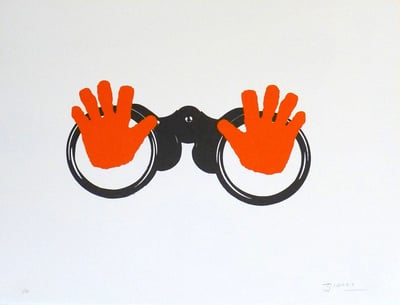
Joan Brossa
Poema visual 16, 1989
Limited Edition Print
Lithograph
EUR 1,000
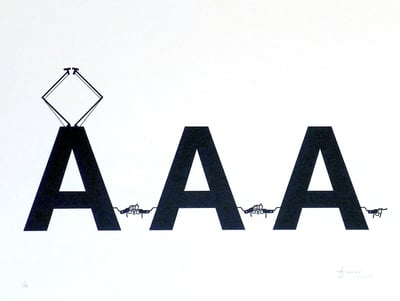
Joan Brossa
Comboi, 1989
Limited Edition Print
Lithograph
EUR 1,000
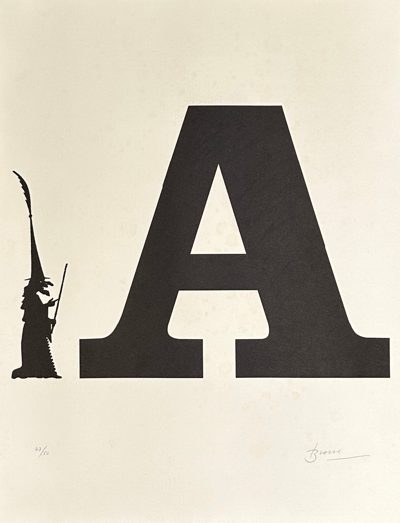
Joan Brossa
Poema visual 5, 1989
Limited Edition Print
Lithograph
EUR 1,000
Related Articles

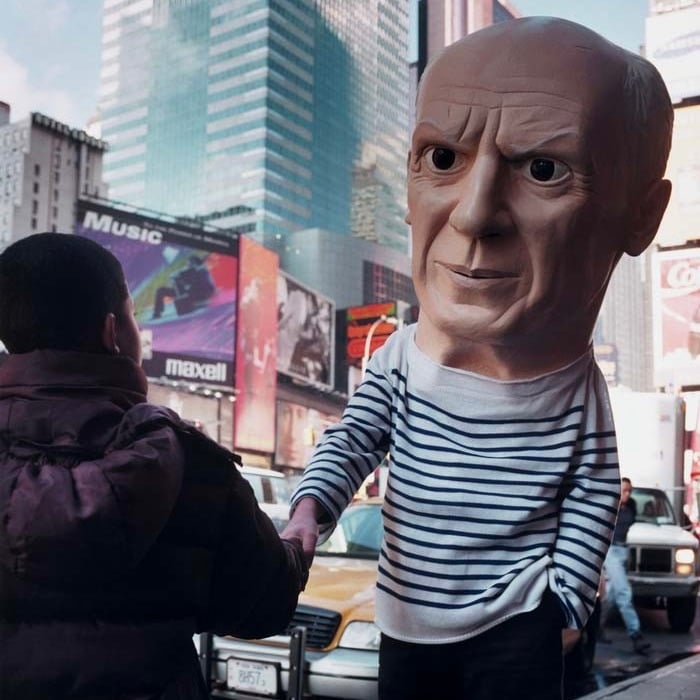
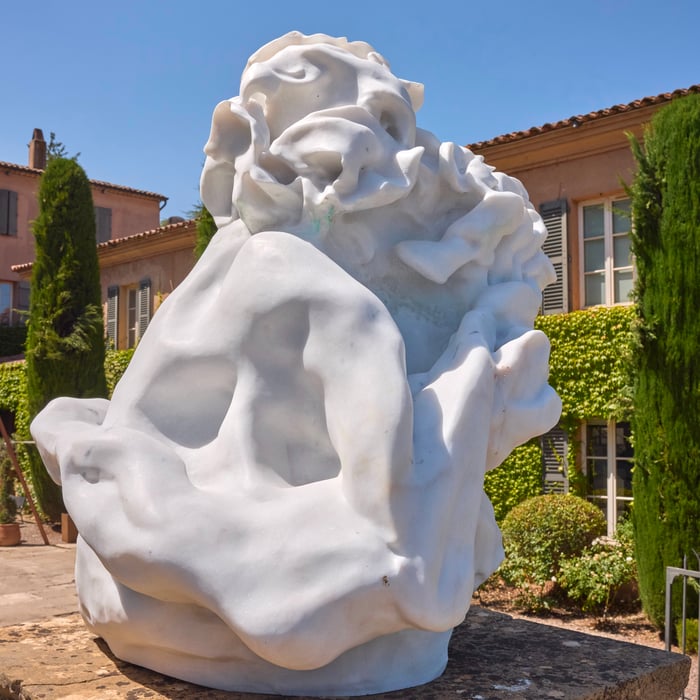

Readymade is the term coined by French artist Marcel Duchamp to describe artworks created from manufactured objects. Duchamp selected ordinary, functional items that he felt had visual indifference, turning them into art simply by choosing and presenting them in a new context. This concept challenged traditional notions of art and continues to influence artists who adopt similar approaches today.
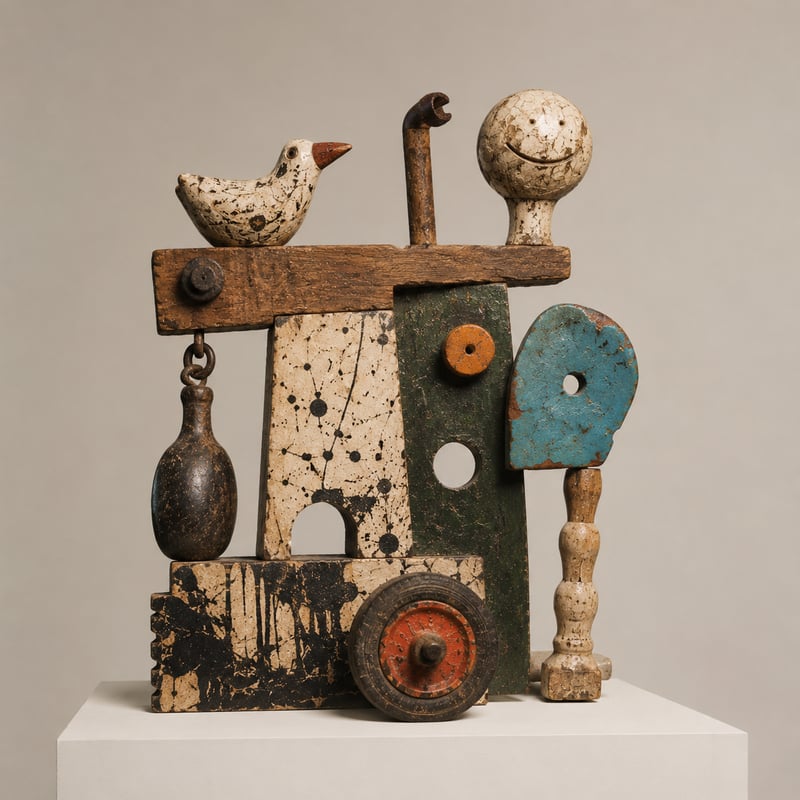
In the 1960s, Funk Art emerged as a reactive movement against Abstract Expressionism. It was widely known as an anti-establishment movement, with the name derived from the jazz term funky. This term carried both positive and negative connotations: in the jazz world, it described passion, quirkiness, and sensuality, but it could also refer to a foul odor. Funk Art was particularly popular in the California Bay Area. While the artists of the Funk Art era shared similar attitudes and styles, they did not see themselves as part of a formal group or movement.
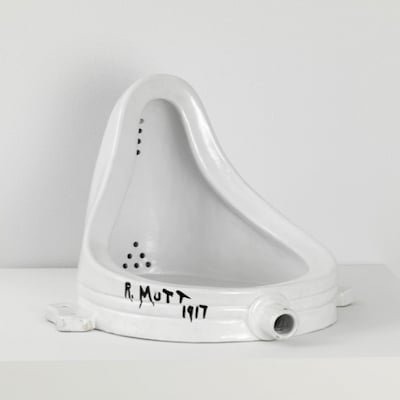
Anti-Art refers to artwork that challenges traditional definitions of art. The term is often attributed to artist Marcel Duchamp, who pioneered the use of readymades—everyday objects presented as art. These works defied conventional expectations that art should adhere to traditional or high art standards.
Can't find your Answer?
Thank you! Your question has been sent — we'll get back to you shortly.
