
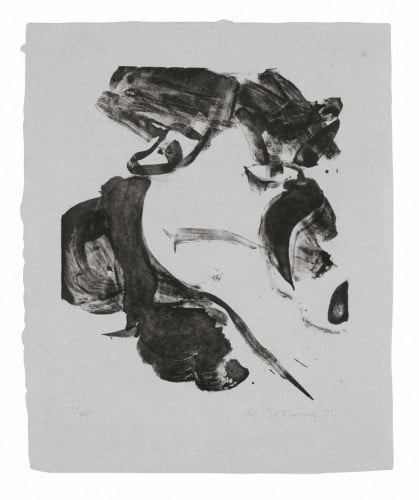
What is Gestural?
- Show All
- Established
- Discoveries
- Show All
Artworks Related to Gestural

Christopher Wool
Portraits (B&W) 6, 2014
Limited Edition Print
Lithograph
USD 6,000

Christopher Wool
Portraits (Red) 1, 2014
Limited Edition Print
Lithograph
USD 9,500

Christopher Wool
Portraits (Red) 2, 2014
Limited Edition Print
Lithograph
USD 9,500

Christopher Wool
Portraits (Red) 3, 2014
Limited Edition Print
Lithograph
USD 9,500

Christopher Wool
Portraits (Red) 4, 2014
Limited Edition Print
Lithograph
USD 9,500

Christopher Wool
Portraits (Red) 5, 2014
Limited Edition Print
Lithograph
USD 9,500

Christopher Wool
Portraits (Red) 6, 2014
Limited Edition Print
Lithograph
USD 9,500

Robert Motherwell
Untitled (Gesture #6), 1976
Limited Edition Print
Etching
USD 11,900
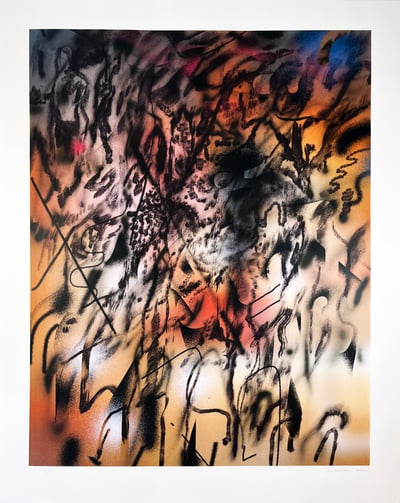
Julie Mehretu
Corner of Lake and Minnehaha, 2022
Limited Edition Print
Screen-print
USD 65,000 - 80,000
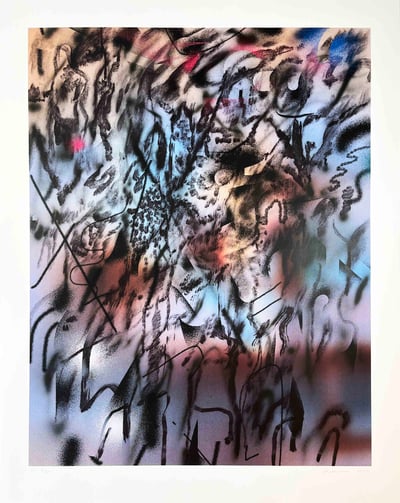
Julie Mehretu
Corner of Lake and Minnehaha (blue), 2022
Limited Edition Print
Screen-print
USD 70,000 - 80,000
Tom Wesselmann
Private Listing
Painting

Jim Dine
The Magnets, 2010
Limited Edition Print
Collage
USD 18,700
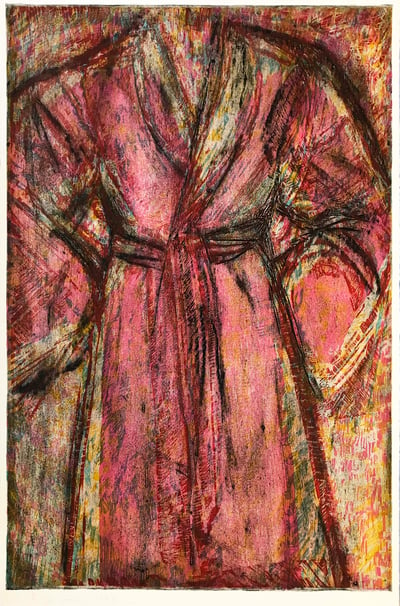
Jim Dine
Rosy Robe, 1998
Limited Edition Print
Woodcut
USD 20,700

Jim Dine
Jam and Jelly, 2000
Limited Edition Print
Mixed Media
USD 16,500

Jim Dine
Chartres - Second Version, 2015
Limited Edition Print
Mixed Media
USD 20,000 - 30,000

Jim Dine
The Red Patch, 2005
Limited Edition Print
Lithograph
USD 18,900
Related Articles


Animation is the process of displaying a sequence of static images in rapid succession to create the illusion of movement. Each image, or frame, is slightly altered from the previous one, particularly in the moving parts, so when shown together, they form a continuous motion. Traditionally, illustrators drew each frame by hand to produce this effect.

Massurrealism is a portmanteau word coined by American artist James Seehafer in 1992. He observed a trend among postmodern artists who blended themes and aesthetic styles with mass media, including elements of pop art. Massurrealism is a development of surrealism that emphasizes the technological effects on the imagery of contemporary surrealism. The key difference between massurrealism and surrealism is that the latter was founded in Europe at the beginning of the 20th century, while massurrealism is rooted in the influence of modern technology and media.

Patina is the distinctive greenish surface that bronze develops over time due to exposure to air and humidity. Artists can also apply chemicals to bronze to artificially create patina. Alternatively, bronze can be polished to reveal its natural rich gold color. Patina is not exclusive to bronze; it can also occur on other metals like copper and even on wood and stone, enhancing the material's character over time.
Can't find your Answer?
Thank you! Your question has been sent — we'll get back to you shortly.
