

What is Hyper-realism?
- Show All
- Established
- Discoveries
- Show All
Artworks Related to Hyper-realism
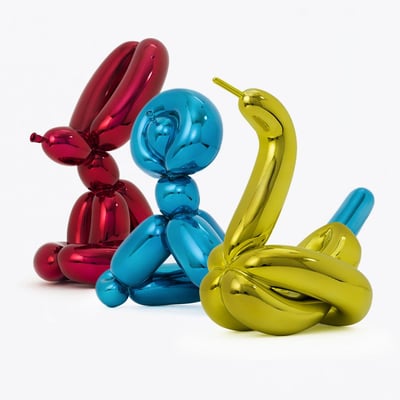
Jeff Koons
Balloon Animals, Set I, 2017
Sculpture / Object
Porcelain
EUR 45,000
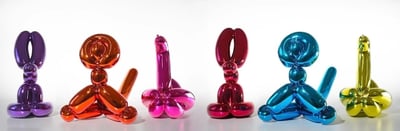
Jeff Koons
Balloon Animals (Collector´s Set), 2017-2019
Sculpture / Object
Porcelain
EUR 95,000

Jeff Koons
Balloon Monkey (Orange), 2019
Sculpture / Object
Porcelain
USD 12,000

Jeff Koons
Balloon Monkey (Blue), 2017
Sculpture / Object
Porcelain
USD 12,000

Jeff Koons
Balloon Swan (Yellow), 2017
Sculpture / Object
Porcelain
EUR 14,000
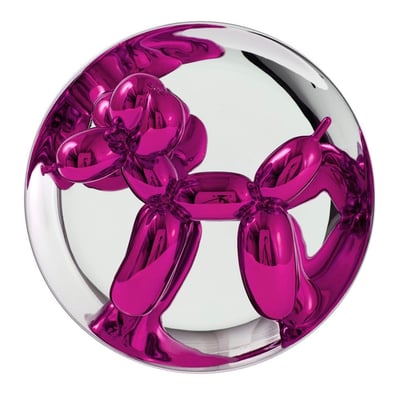
Jeff Koons
Balloon Dog (Magenta), 2015
Sculpture / Object
Porcelain
EUR 8,500
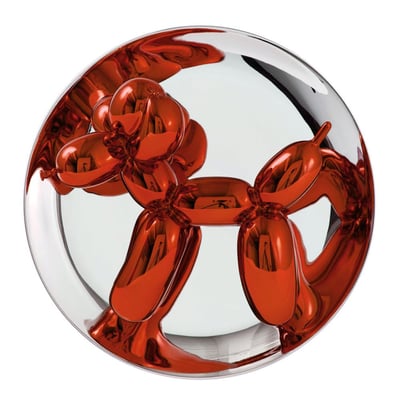
Jeff Koons
Balloon Dog (Orange), 2015
Sculpture / Object
Porcelain
EUR 9,000
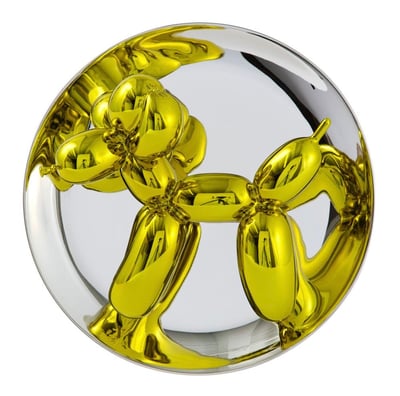
Jeff Koons
Balloon Dog (Yellow), 2015
Sculpture / Object
Porcelain
EUR 9,000
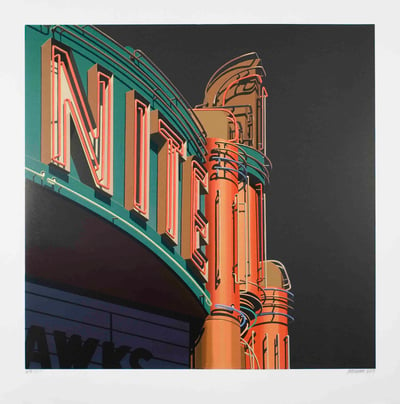
Robert Cottingham
NITE, 2009
Limited Edition Print
Serigraph
USD 1,150
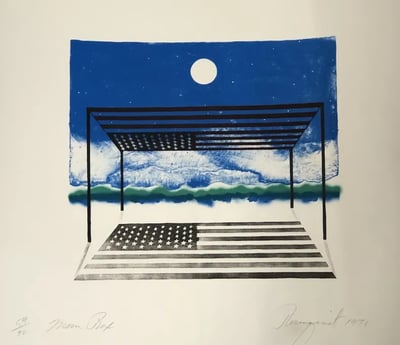
James Rosenquist
Moon box, 1971
Limited Edition Print
Lithograph
EUR 3,125
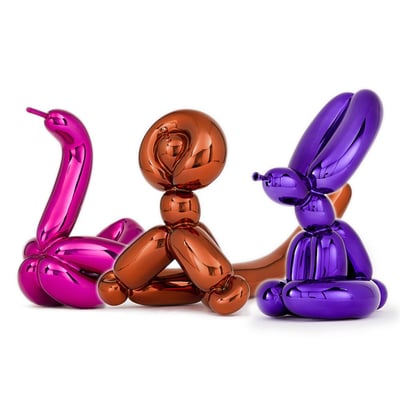
Jeff Koons
Balloon Animals, Set II, 2019
Sculpture / Object
Porcelain
EUR 38,000

Jeff Koons
Blue Balloon Dog, 2002
Sculpture / Object
Porcelain
USD 17,750

Jeff Koons
Red Balloon Dog, 1995
Sculpture / Object
Porcelain
USD 21,200
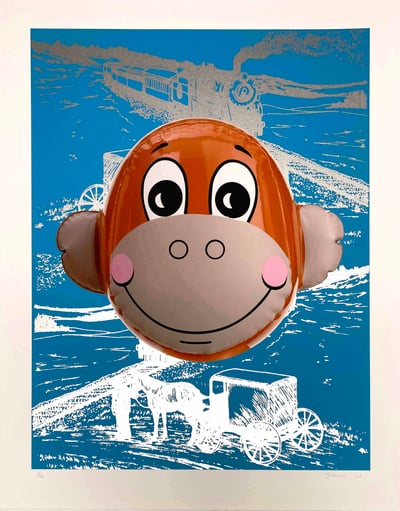
Jeff Koons
Monkey Train (Blue), 2007
Limited Edition Print
Silkscreen
USD 30,000 - 40,000

James Rosenquist
Ice Point from Art and Sport, 1983
Limited Edition Print
Lithograph
USD 4,450

James Rosenquist
Yellow Landing, 1974
Limited Edition Print
Lithograph
USD 11,900
Related Articles

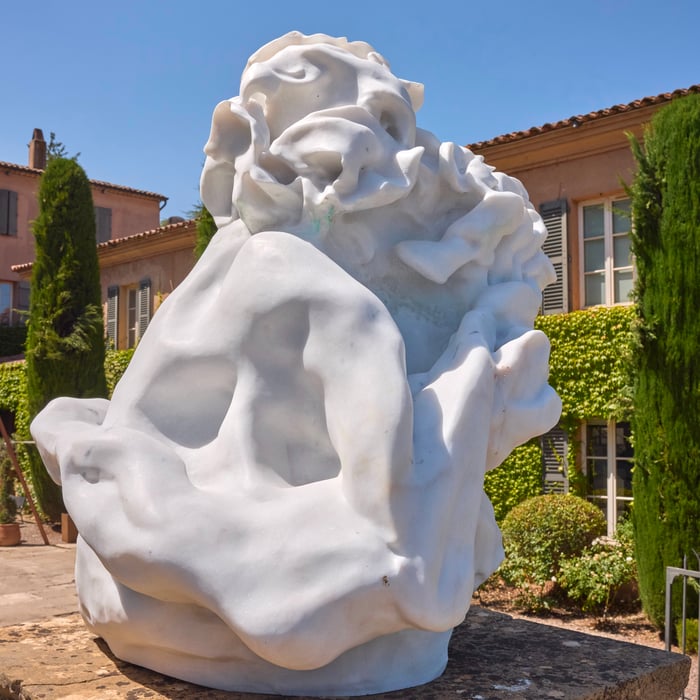
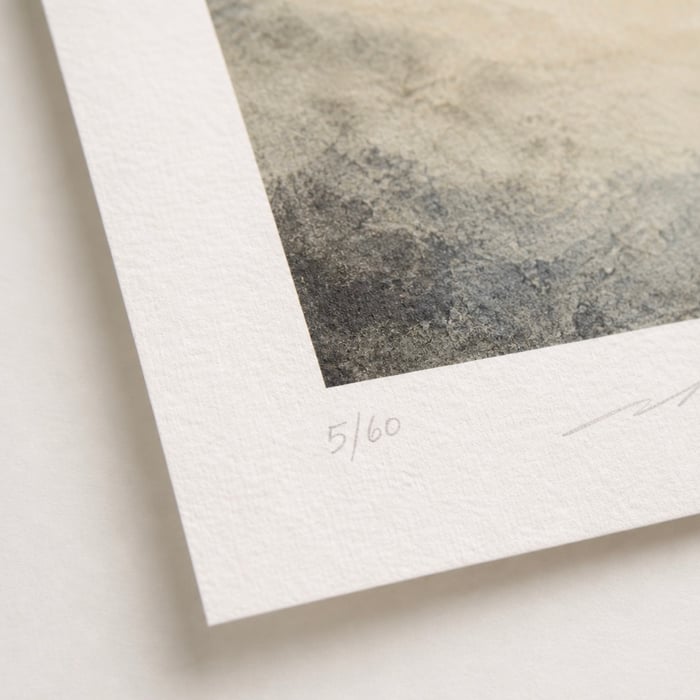

Carborundum is the trademark name for silicon carbide crystals, an abrasive material commonly used in sandpaper, cutting tools, and grinding wheels. Originally, artists used carborundum for grinding lithography stones. In collagraph printmaking, it is applied to plates to create texture and tone gradients, adding depth and contrast to the prints.

Geometric abstraction is a form of abstract art that uses geometric shapes arranged in a non-illusionistic space (though not always) and combined into non-representational (non-objective) compositions. Based on years of artistic research, some artists have proposed that geometric abstraction offers a solution to modern challenges by rejecting traditional illusionistic practices in favor of clarity and simplicity.
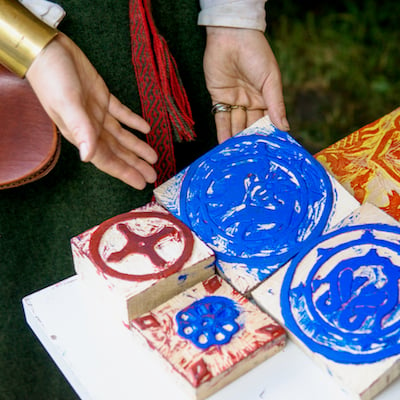
Woodblock printing is a technique that uses a carved wooden surface to create an image on materials such as paper or cloth. Ink or paint is applied thinly to the carved surface, which is then pressed against the material to transfer the image. This method has been historically significant in various cultures for producing prints and textiles.
Can't find your Answer?
Thank you! Your question has been sent — we'll get back to you shortly.
