
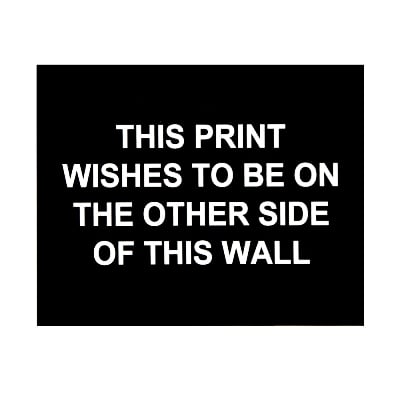
What is Lettrism?
- Show All
- Established
- Discoveries
- Show All
Artworks Related to Lettrism
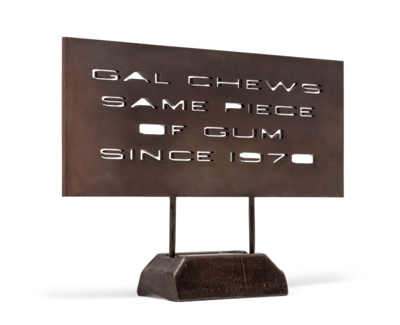
Ed Ruscha
Gal Chews Same Piece of Gum, 2021
Sculpture / Object
Bronze
Inquire For Price
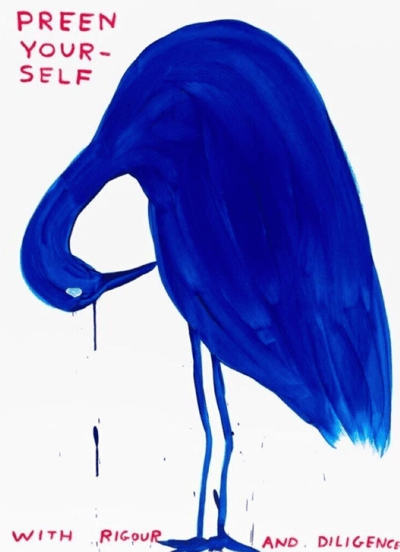
David Shrigley
Preen Yourself, 2023
Limited Edition Print
Screen-print
GBP 3,900
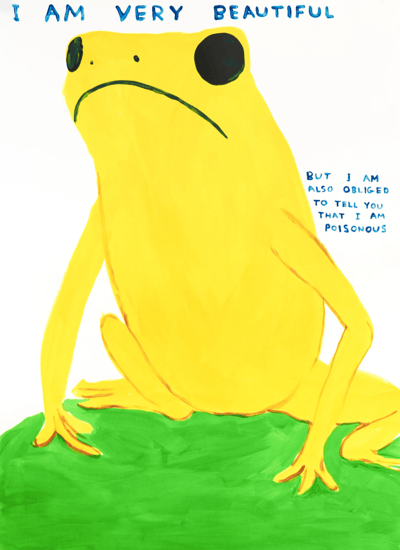
David Shrigley
I Am Very Beautiful, 2025
Limited Edition Print
Screen-print
GBP 3,900
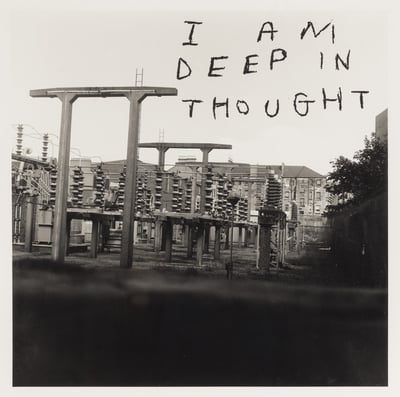
David Shrigley
I Am Deep In Thought, 2003
Limited Edition Print
C-Print
EUR 1,500
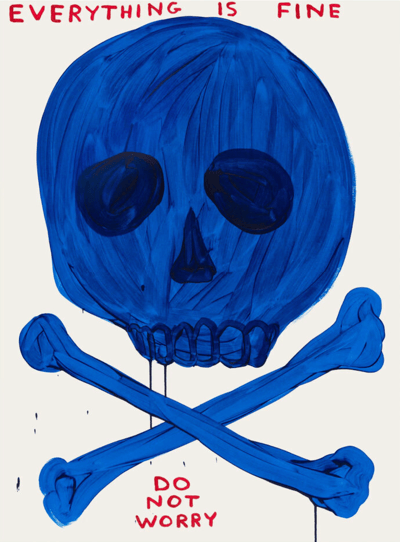
David Shrigley
Everything is Fine, 2023
Limited Edition Print
Screen-print
GBP 5,900
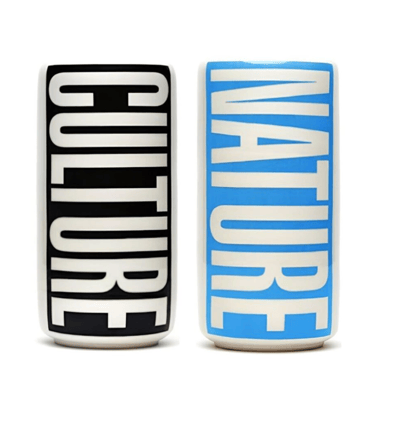
Barbara Kruger
Untitled (Vase), 2020
Sculpture / Object
Ceramic
GBP 1,800
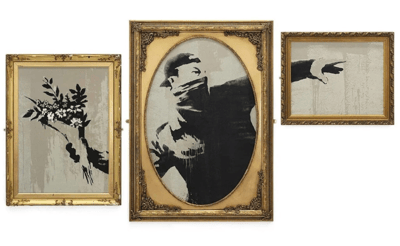
Banksy
Thrower Triptych (VIP), 2019
Limited Edition Print
Screen-print
Inquire For Price

Mr. Brainwash
Stay Strong Swiss, 2020
Limited Edition Print
Screen-print
EUR 1,600

Mr. Brainwash
Love Above All, 2024
Painting
Mixed Media
EUR 7,200
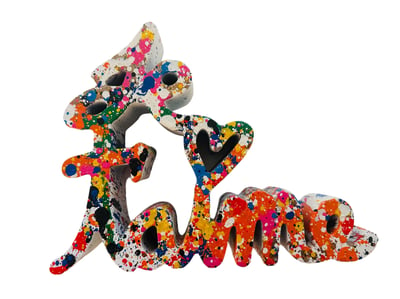
Mr. Brainwash
Je t'aime (Splash), 2018
Sculpture / Object
Resin
EUR 3,000
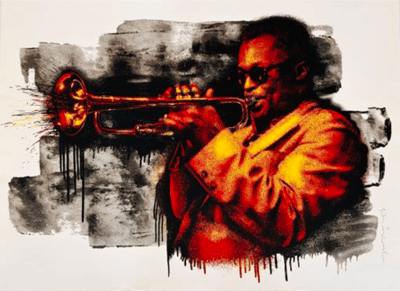
Mr. Brainwash
Miles Davis (Red, Yellow), 2015
Limited Edition Print
Screen-print
EUR 2,500
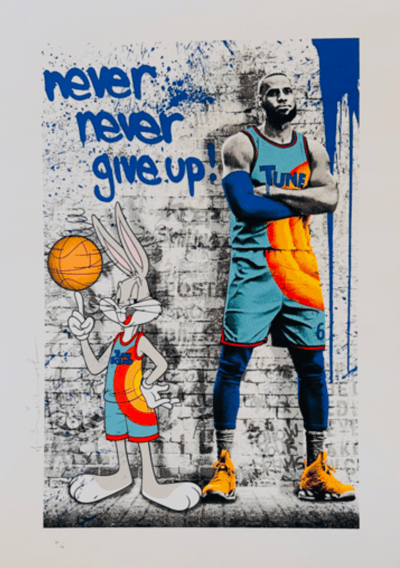
Mr. Brainwash
Tune Squad, 2021
Limited Edition Print
Screen-print
EUR 3,800
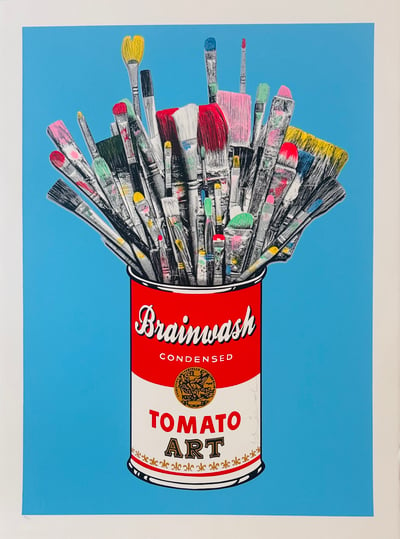
Mr. Brainwash
Tomato Pop (Blue), 2023
Limited Edition Print
Screen-print
EUR 3,500
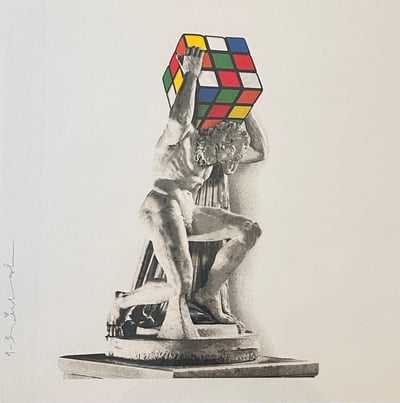
Mr. Brainwash
Rubik's Atlas, 2021
Limited Edition Print
Screen-print
EUR 1,800
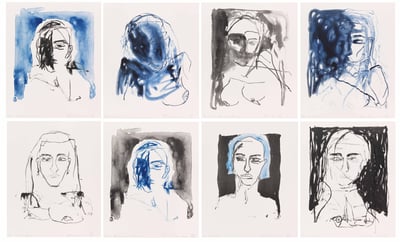
Tracey Emin
These Feelings Were True (Set of 8), 2020
Limited Edition Print
Lithograph
EUR 80,000 - 90,000

Tracey Emin
A Deeper Place, 2025
Limited Edition Print
Lithograph
Inquire For Price
Related Articles


Massurrealism is a portmanteau word coined by American artist James Seehafer in 1992. He observed a trend among postmodern artists who blended themes and aesthetic styles with mass media, including elements of pop art. Massurrealism is a development of surrealism that emphasizes the technological effects on the imagery of contemporary surrealism. The key difference between massurrealism and surrealism is that the latter was founded in Europe at the beginning of the 20th century, while massurrealism is rooted in the influence of modern technology and media.

ZERO was an art movement founded by Otto Piene and Heinz Mack, aiming to develop into a large international and cross-border movement. The name ZERO originated from a magazine founded by Heinz Mack in 1957, which became a platform for the group's ideas. The magazine was published for several years before ceasing in 1967. The ZERO movement sought to create a new beginning in art, emphasizing light, space, and movement, and became influential in post-war European art.

Nouveau Réalisme is an artistic movement founded in 1960 by art critic Pierre Restany and painter Yves Klein during a collective exhibition at a gallery in Milan. Restany wrote the original manifesto in April 1960, proclaiming the movement. In October of that year, nine artists, including Martial Raysse, Yves Klein, Daniel Spoerri, Jean Tinguely, Arman, Pierre Restany, and three Ultra-Lettrists—Jacques de la Villeglé, François Dufrêne, and Raymond Hains—signed the declaration. In 1961, the movement expanded to include Mimmo Rotella, Niki de Saint Phalle, Gérard Deschamps, and César. The movement emphasized a return to reality in art, often incorporating everyday objects and exploring the boundaries between art and life.
Can't find your Answer?
Thank you! Your question has been sent — we'll get back to you shortly.
