

What is Lettrism?
- Show All
- Established
- Discoveries
- Show All
Artworks Related to Lettrism

Yoshitomo Nara
Miss Spring, 2021
Limited Edition Print
Digital Print on paper
Currently Not Available

David Shrigley
Be Nice, 2017
Limited Edition Print
Screen-print
GBP 10,000 - 12,000

David Shrigley
Just fly away, 2022
Limited Edition Print
Screen-print
GBP 4,250

David Shrigley
Ignore the Ghosts, 2022
Limited Edition Print
Screen-print
GBP 4,500
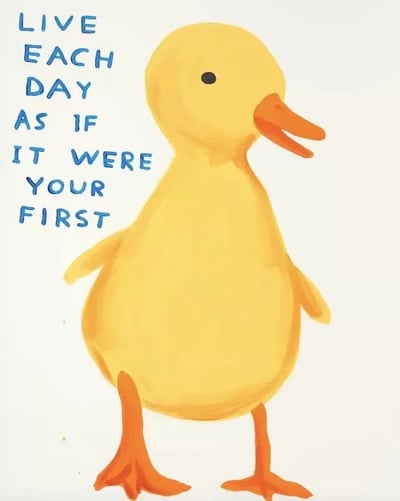
David Shrigley
Live Each Day as if it’s the First, 2022
Limited Edition Print
Screen-print
GBP 7,950
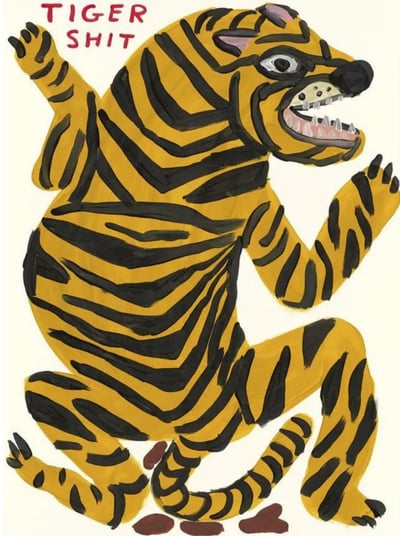
David Shrigley
Tiger Shit, 2021
Limited Edition Print
Screen-print
GBP 3,100

David Shrigley
I Cannot Live Without You, 2019
Limited Edition Print
Screen-print
GBP 11,400

David Shrigley
I've Never Seen You, 2018
Limited Edition Print
Screen-print
GBP 7,900

David Shrigley
Fucking Ace, 2018
Limited Edition Print
Screen-print
GBP 4,000 - 6,000

David Shrigley
Stop Panicking, 2021
Limited Edition Print
Screen-print
GBP 7,500
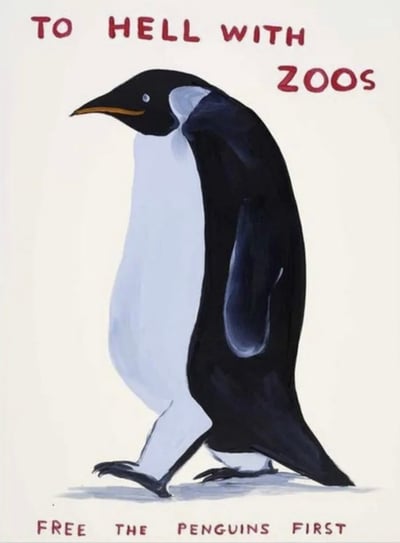
David Shrigley
To Hell With Zoos, 2021
Limited Edition Print
Screen-print
GBP 5,000 - 8,000
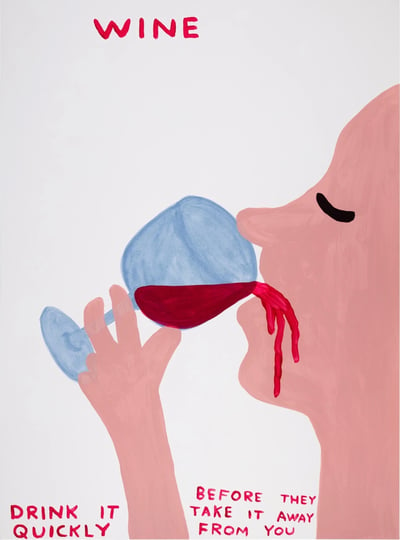
David Shrigley
Wine, 2021
Limited Edition Print
Screen-print
GBP 6,000 - 8,000

David Shrigley
Old Cat, 2022
Limited Edition Print
Screen-print
GBP 5,200
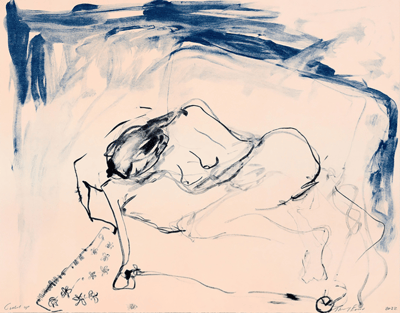
Tracey Emin
Curled Up, 2022
Limited Edition Print
Lithograph
USD 8,400

David Shrigley
Please Shut Up, 2022
Limited Edition Print
Screen-print
GBP 3,500 - 5,000
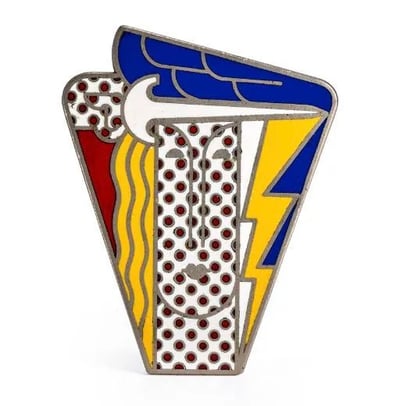
Roy Lichtenstein
Modern Head Enamel Pin, 1968
Sculpture / Object
Metal
USD 4,950
Related Articles

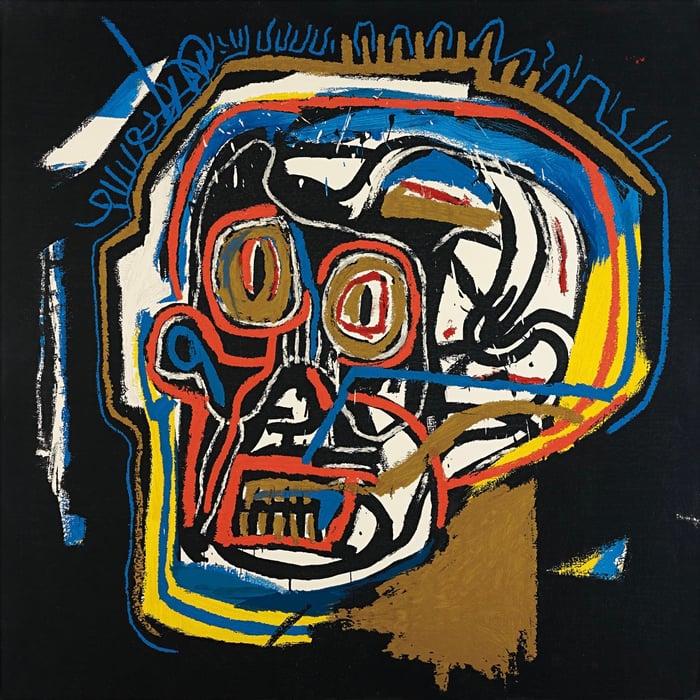
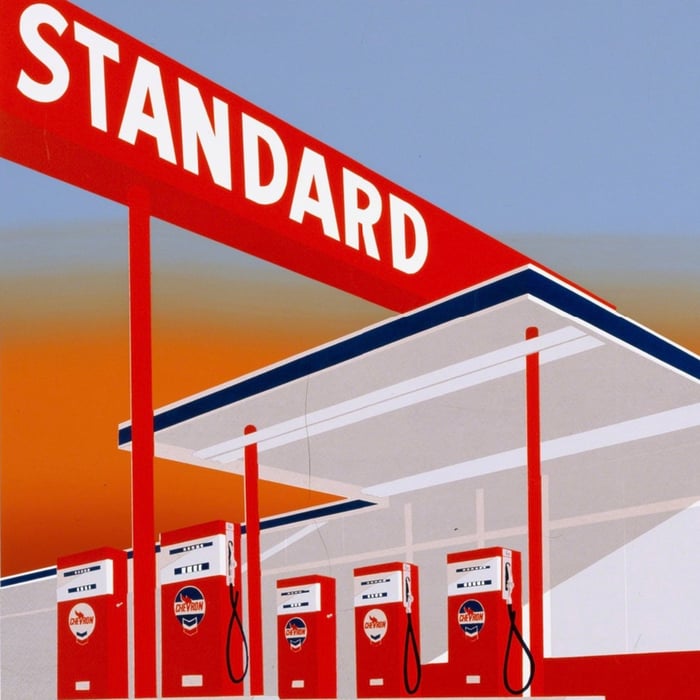
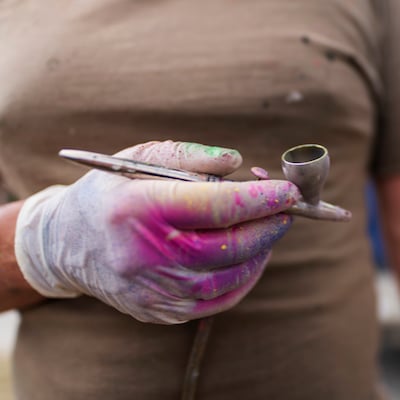
An airbrush is a device that sprays various media, including paint and ink, using compressed air. Artists use airbrushes to create a smooth, even application of color, often achieving effects that are not possible with traditional brushes. James Rosenquist, an American Pop artist, regularly used an airbrush in his work. Before gaining fame with pieces like the iconic F-111 (1965), he worked as a commercial and industrial painter, where he honed his airbrush skills.

The Light and Space Movement refers to loosely affiliated art movements connected to minimalism, geometric abstraction, and op art that originated in Southern California in the 1960s. Greatly influenced by artist John McLaughlin, these artists focused on sensory phenomena such as light, perception, and space as central elements of their work. They also incorporated cutting-edge technologies from the aerospace and engineering industries to develop light-filled and sensuous objects, creating immersive experiences that emphasize the viewer's perception.

Patina is the distinctive greenish surface that bronze develops over time due to exposure to air and humidity. Artists can also apply chemicals to bronze to artificially create patina. Alternatively, bronze can be polished to reveal its natural rich gold color. Patina is not exclusive to bronze; it can also occur on other metals like copper and even on wood and stone, enhancing the material's character over time.
Can't find your Answer?
Thank you! Your question has been sent — we'll get back to you shortly.
