
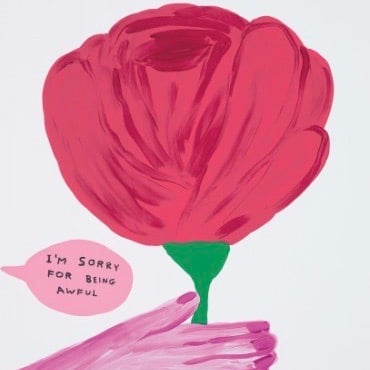
What is Naive Art?
- Show All
- Established
- Discoveries
- Show All
Artworks Related to Naive art
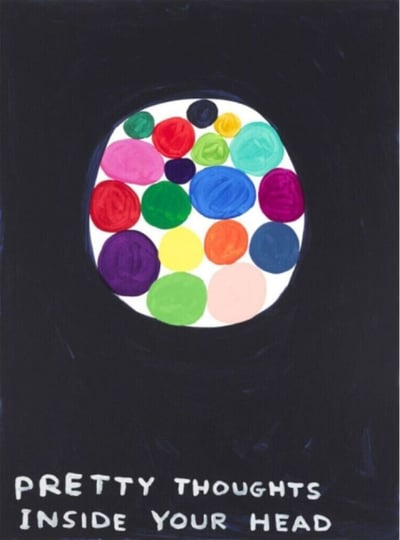
David Shrigley
Pretty Thoughts Inside Your Head, 2018
Limited Edition Print
Screen-print
Inquire For Price
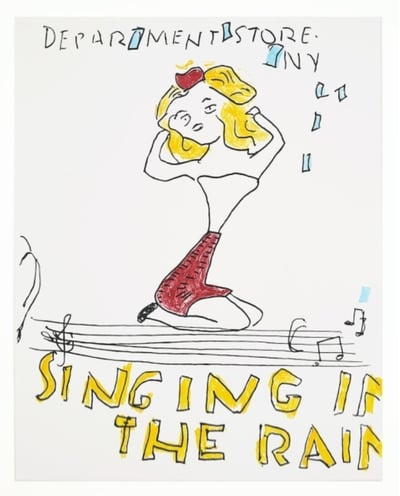
Rose Wylie
Singing in the Rain, 2019
Limited Edition Print
Mixed Media
GBP 5,500 - 7,100
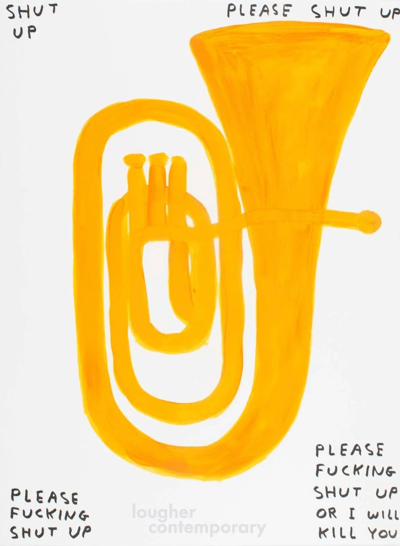
David Shrigley
Shut Up, 2018
Limited Edition Print
Screen-print
GBP 2,950 - 3,800
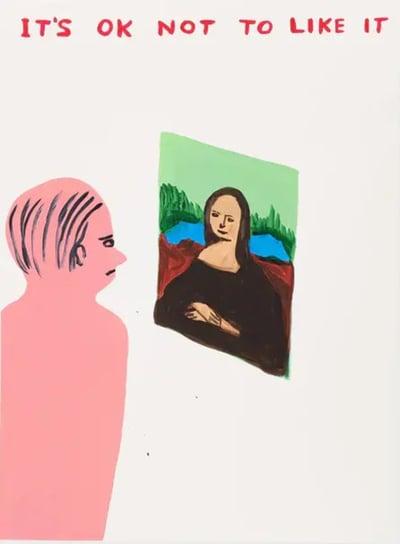
David Shrigley
It's Ok Not To Like It, 2022
Limited Edition Print
Screen-print
GBP 2,750 - 3,500
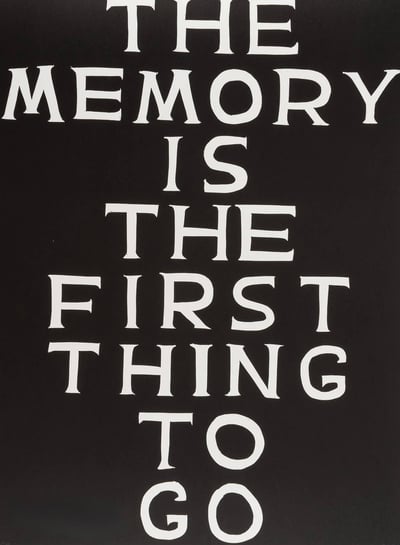
David Shrigley
Linocut (The Memory Is The First Thing To Go), 2022
Limited Edition Print
Linocut
GBP 1,600
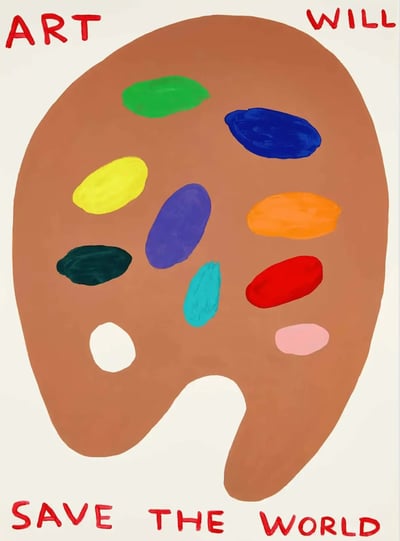
David Shrigley
Art Will Save The World, 2019
Limited Edition Print
Screen-print
GBP 5,750 - 7,400
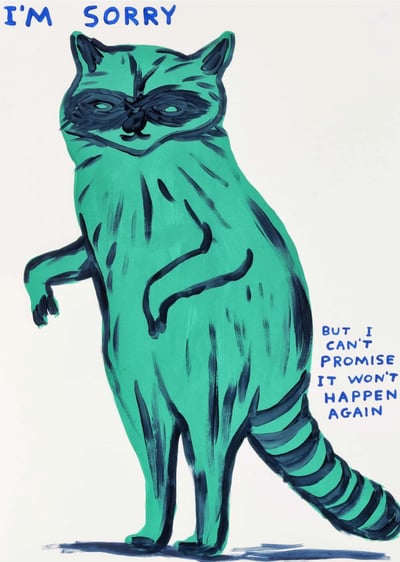
David Shrigley
I’m Sorry But I Can’t Promise It Won’t Happen Again, 2021
Limited Edition Print
Screen-print
GBP 4,250 - 5,500
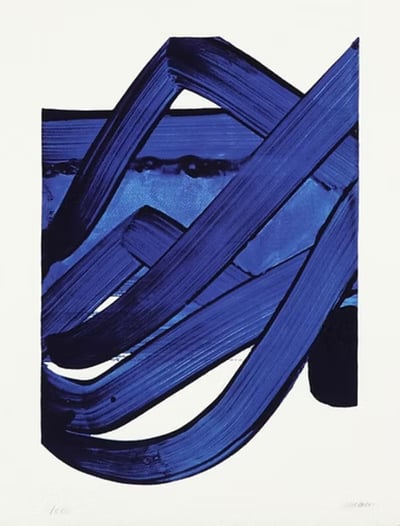
Pierre Soulages
Composition, Sérigraphie No 18, 1988
Limited Edition Print
Lithograph
GBP 18,500 - 24,000
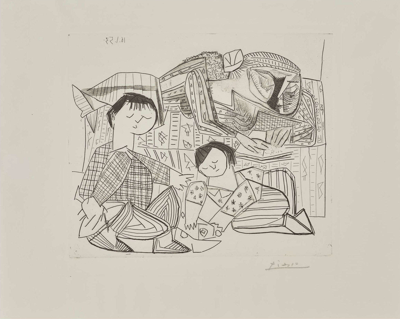
Pablo Picasso
Mere et Enfants, 1961
Limited Edition Print
Etching and Aquatint
GBP 20,000
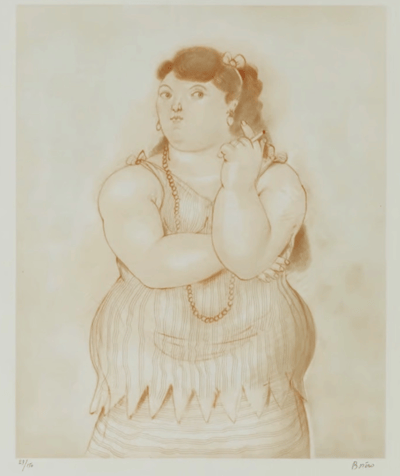
Fernando Botero
Dessins et Aquarelles (2), 1984
Limited Edition Print
Lithograph
EUR 6,350

Nicolas Party
Untitled (Teapot), 2010
Drawing / Watercolor
Graphite
Inquire For Price

Pablo Picasso
Sculpteur et Sculpture, 1965
Limited Edition Print
Aquatint
EUR 10,400

Pablo Picasso
Angler, 1955
Ceramics
Clay
EUR 7,800
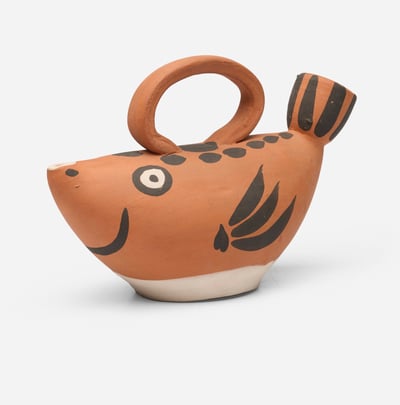
Pablo Picasso
Sujet poisson (A.R. 139), 1952
Sculpture / Object
Clay
EUR 15,000
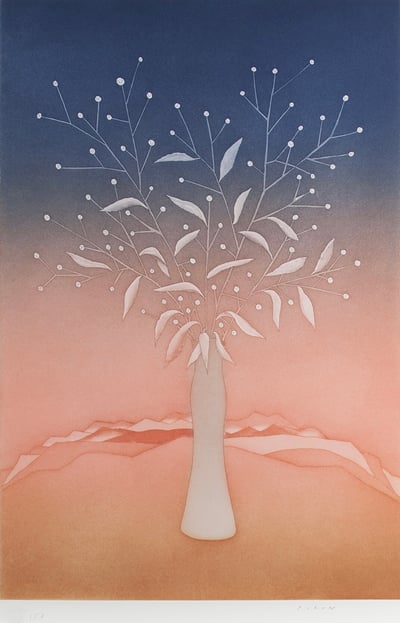
Jean-Michel Folon
Tennis tree
Limited Edition Print
Etching and Aquatint
EUR 4,200
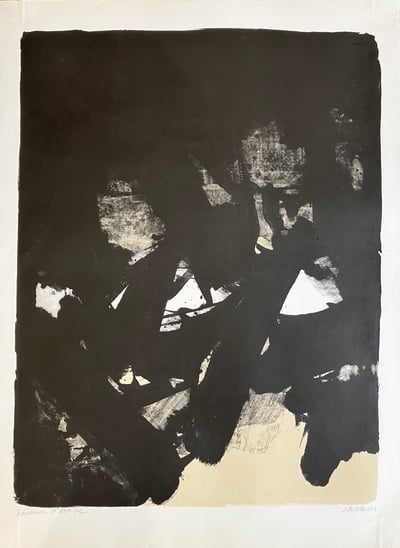
Pierre Soulages
Lithograph 13, 1964
Limited Edition Print
Lithograph
EUR 23,500
Related Articles

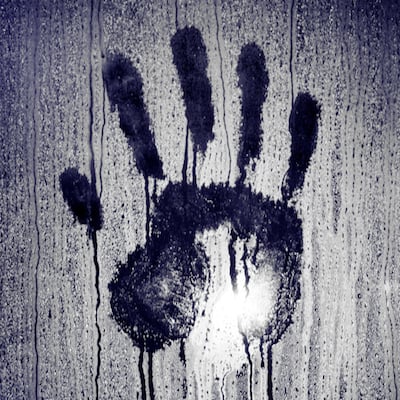
A body print is an art technique where the artist uses their body as a printing plate. This can be done by smearing grease, margarine, or oil on the skin, hair, and clothes, then pressing the body against a surface like paper. The oiled imprint is then dusted with pigment. Unlike a self-portrait, a body print explores two competing concepts of identity rather than capturing a likeness of the artist. The method emphasizes the physicality of the body while questioning the boundaries between self-representation and abstraction.

Hypermodernism is a cultural and artistic movement that emerged in the late 20th and early 21st centuries, characterized by an intense embrace of technology and a focus on speed, complexity, and the future. This movement often challenges traditional modernist values by emphasizing hyper-reality, where the boundaries between reality and virtuality blur. Hypermodernism is evident in architecture, design, and visual arts, where artists and creators use advanced digital tools and futuristic aesthetics to explore themes of globalization, identity, and the impact of technology on society.

A print proof refers to any test impressions made from a printing plate or block to check the image quality before the final print is completed. These proofs are used as quality checks to ensure that the details and alignment are correct. Different types of proofs, such as artist's proofs or trial proofs, serve specific purposes during the printmaking process.
Can't find your Answer?
Thank you! Your question has been sent — we'll get back to you shortly.
