
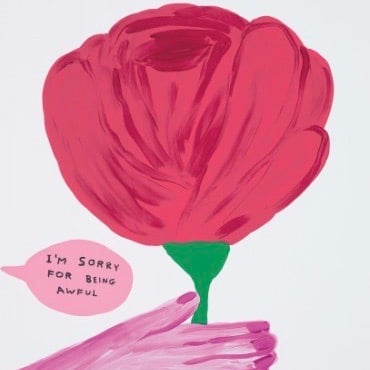
What is Naive Art?
Naïve art describes a style of artwork that is simple and unsophisticated, often created by artists without formal training in an academy or art school. The style is characterized by a lack of advanced techniques, giving it a childlike appearance. Naïve art often features bright colors, simple shapes, and a straightforward approach to subject matter, reflecting the artist's untrained perspective.
Show All
- Show All
- Established
- Discoveries
Show All
- Show All
Artworks Related to Naive art
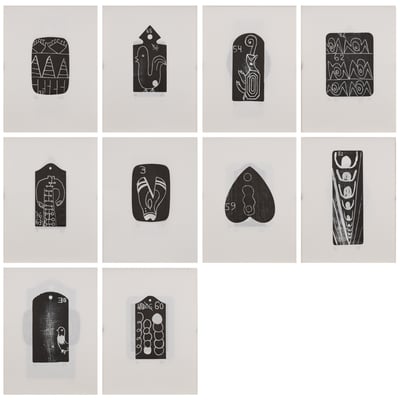
Tal R
Almanach (67 prints), 2015
Limited Edition Print
Woodcut
EUR 35,000
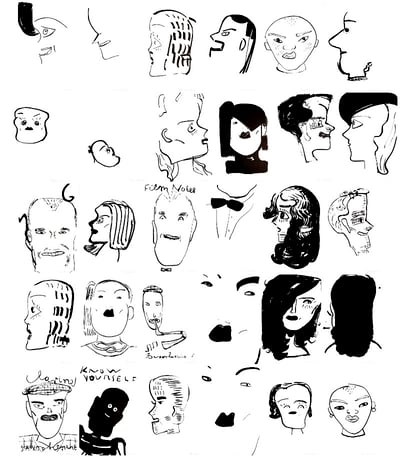
Rose Wylie
Portraits (portfolio), 2017
Limited Edition Print
Lithograph
EUR 1,400
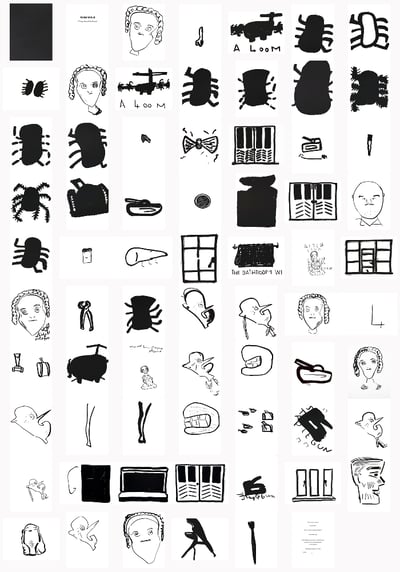
Rose Wylie
Things around the house (66 pc), 2016
Limited Edition Print
Lithograph
EUR 30,500
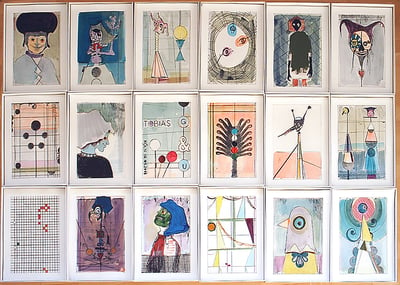
Gert & Uwe Tobias
Ohne Titel - portfolio (18), 2008
Limited Edition Print
Drypoint
EUR 13,500

Marcel Dzama
Une saison en enfer, 2011
Drawing / Watercolor
Mixed Media
EUR 2,250
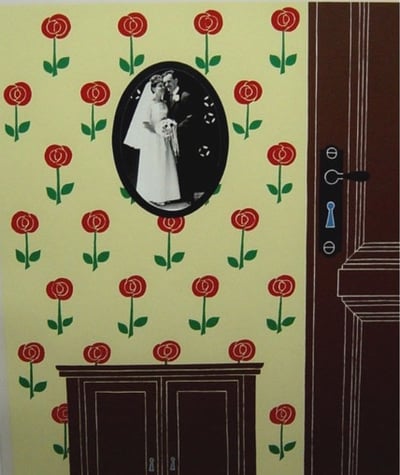
Joseph Willaert
Interieur met mijn trouwfoto, 1982
Limited Edition Print
Silkscreen
Currently Not Available
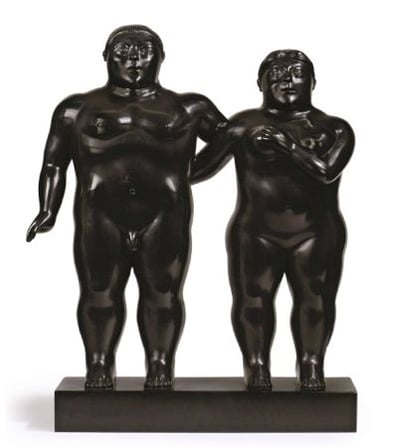
Fernando Botero
Man and Woman, .
Sculpture / Object
Bronze
Currently Not Available
Related Articles

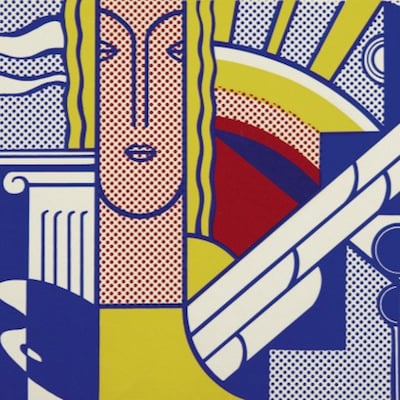
Late Modernism refers to the continuation and evolution of Modernist principles in art, architecture, and literature from the mid-20th century into the late 20th century. This movement maintains a focus on form, abstraction, and the rejection of traditional styles, but it often incorporates more complexity and ambiguity compared to early Modernism. Late Modernism explores themes such as alienation, identity, and the fragmentation of reality, reflecting the social and cultural shifts of the post-war period. It is seen in the works of architects like Louis Kahn and artists like Francis Bacon, who pushed the boundaries of Modernism while responding to the changing world around them.
Attribute can function as both a noun and a verb. As a noun, it refers to an object, symbol, or animal commonly associated with a specific person, often used in art to identify figures, such as a lion with St. Mark. As a verb, it means to assign a work of art to a particular artist, usually based on stylistic analysis or other evidence, such as attributing a painting to an artist based on its technique and composition.

Computer printing involves using computer technology to reproduce fine art images as prints. In its basic form, this means creating digital versions of artwork that are printed onto paper. More advanced techniques allow artists to program computers to generate original art, which is then printed using various printing technologies.
Can't find your Answer?
Thank you! Your question has been sent — we'll get back to you shortly.
