
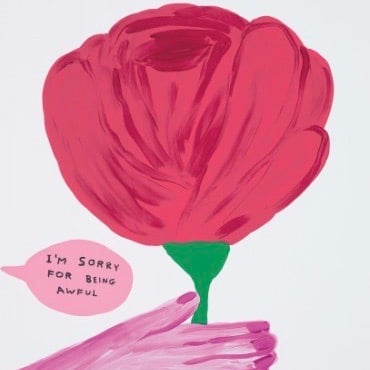
What is Naive Art?
- Show All
- Established
- Discoveries
- Show All
Artworks Related to Naive art

Luis Gordillo
S/T 2 , 2009
Limited Edition Print
Silkscreen
EUR 1,500

Luis Gordillo
S/T 1, 2009
Limited Edition Print
Silkscreen
EUR 1,500

Fernando Botero
The Dancers, 1983
Limited Edition Print
Lithograph
Currently Not Available

Yin Kun
Chinese Fairytales - Walk, 2013
Painting
Oil on canvas
USD 6,500

Jean-Michel Folon
Je vous ecris de Mt. Fuji, 1986
Limited Edition Print
Silkscreen
USD 990

Jean-Michel Folon
Je vous ecris de Florida, 1986
Limited Edition Print
Silkscreen
USD 990

Jean-Michel Folon
Je vous ecris de California, 1986
Limited Edition Print
Silkscreen
USD 990

Jean-Michel Folon
Je vous ecris de China, 1986
Limited Edition Print
Silkscreen
USD 990

Jean-Michel Folon
Je vous ecris des montagnes Rocherrses, 1986
Limited Edition Print
Silkscreen
USD 990

Jean-Michel Folon
Je vous ecris des cyclades, 1986
Limited Edition Print
Silkscreen
USD 990
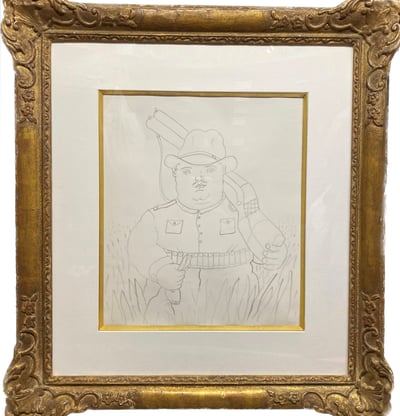
Fernando Botero
Hunter, 1980
Drawing / Watercolor
Pencil
USD 29,000 - 35,000
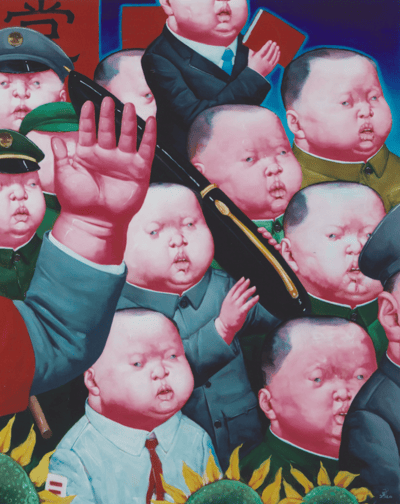
Yin Kun
Chinese Fairytale - Ceremony 3, 2013
Painting
Oil on canvas
Make Your Offer

Yin Kun
Chinese Baby 11-05, 2011
Painting
Oil on canvas
USD 17,200

Yin Kun
Chinese honey, 2005
Painting
Oil on canvas
EUR 4,620
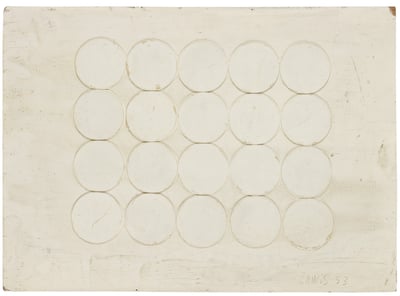
Herbert Zangs
Collage Bierdeckel auf Karton, 1953
Painting
Collage
EUR 22,500

Tal R
Soya and Litschi, 2006
Sculpture / Object
Bronze
Currently Not Available
Related Articles

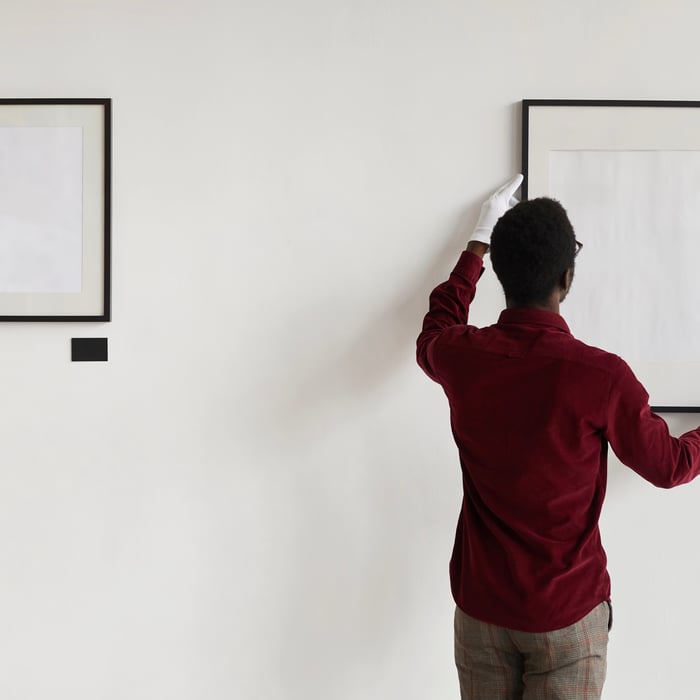
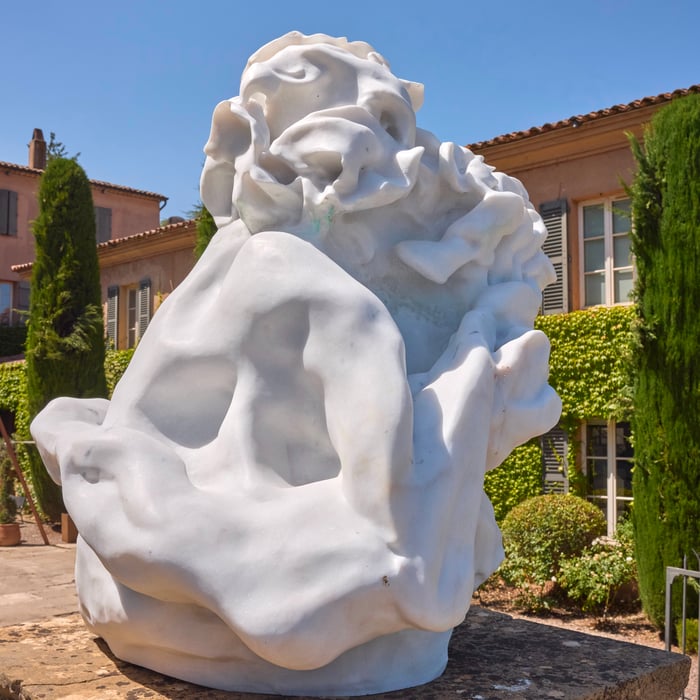

Bricolage is the creation or construction of a piece of art using materials that are readily available to the artist. The term is French and roughly translates to do-it-yourself. This approach became popular when materials were scarce, encouraging artists to improvise and repurpose everyday objects. Bricolage emphasizes creativity and resourcefulness, often resulting in artworks that reflect the unique character of the materials used.
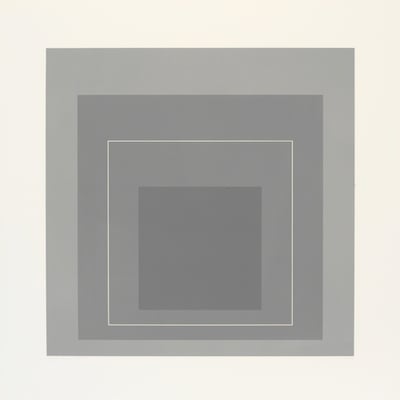
Concrete Art is an art movement founded by the Dutch artist Theo van Doesburg in the 1930s. The movement emphasizes pure abstraction, focusing on geometric shapes and colors without any reference to the natural world or symbolic meaning. Unlike other forms of abstract art, Concrete Art is entirely non-representational and is based on mathematical principles and precise execution. It aims to create universal, timeless works by using simple, clear forms that emphasize objectivity and clarity.

Chinese Contemporary Art is marked by a wide range of styles and experimental approaches. In the 1980s, avant-garde exhibitions were often shut down by government officials. The 1990s saw the rise of political pop and cynical realism, while China's One-Child Policy influenced artists to explore the individual as a subject matter.
Can't find your Answer?
Thank you! Your question has been sent — we'll get back to you shortly.
