
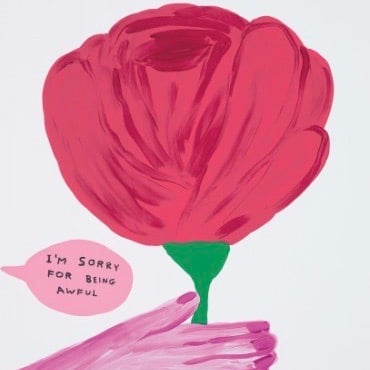
What is Naive Art?
- Show All
- Established
- Discoveries
- Show All
Artworks Related to Naive art
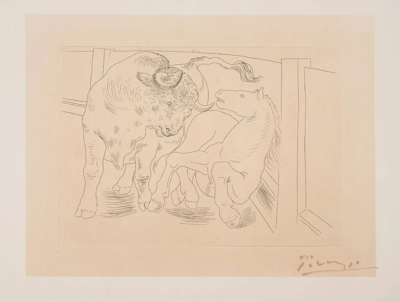
Pablo Picasso
Taureau et Cheval, 1927
Limited Edition Print
Etching
Inquire For Price

Yoshitomo Nara
Mini Mori Girl, 2012
Sculpture / Object
Mixed Media
GBP 6,600
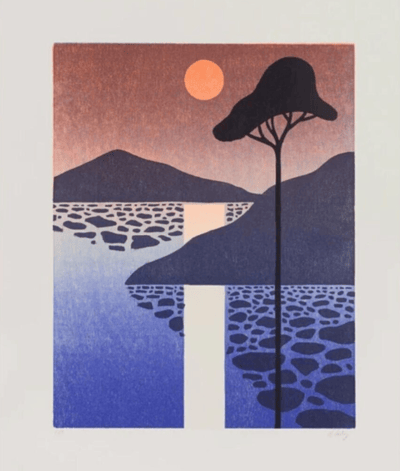
Nicolas Party
Sunset, 2021
Limited Edition Print
Woodcut
GBP 7,000 - 10,000
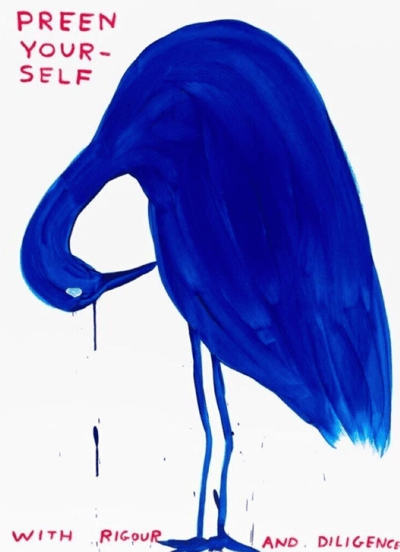
David Shrigley
Preen Yourself, 2023
Limited Edition Print
Screen-print
GBP 3,900
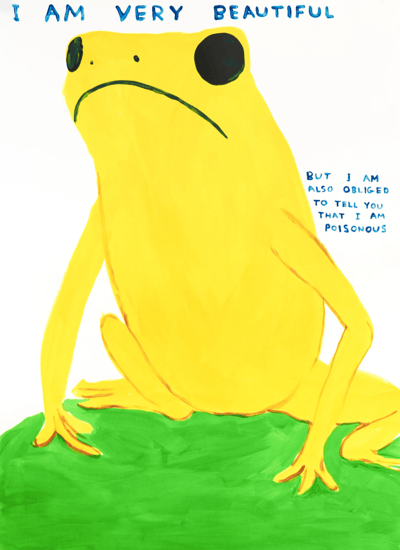
David Shrigley
I Am Very Beautiful, 2025
Limited Edition Print
Screen-print
GBP 3,900
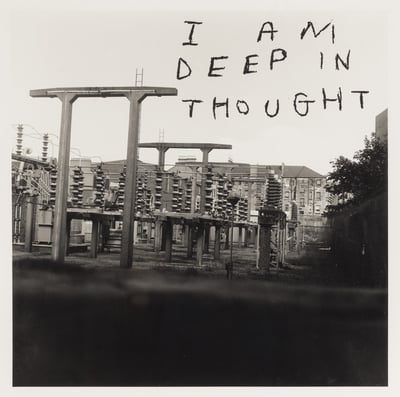
David Shrigley
I Am Deep In Thought, 2003
Limited Edition Print
C-Print
EUR 1,500
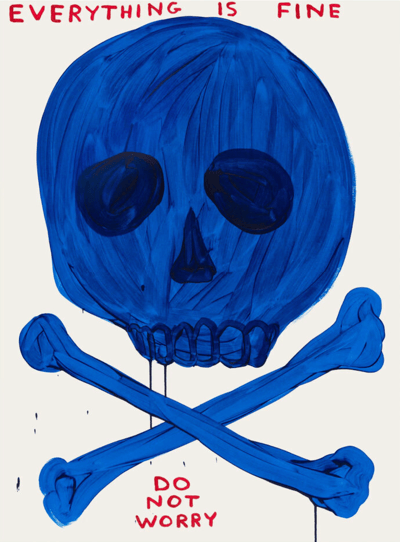
David Shrigley
Everything is Fine, 2023
Limited Edition Print
Screen-print
GBP 5,900
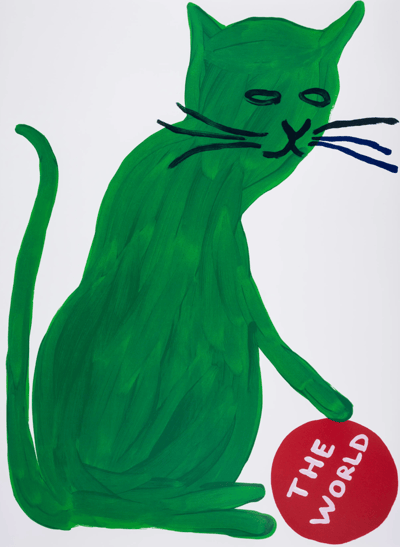
David Shrigley
The World, 2019
Limited Edition Print
Lithograph
USD 3,450
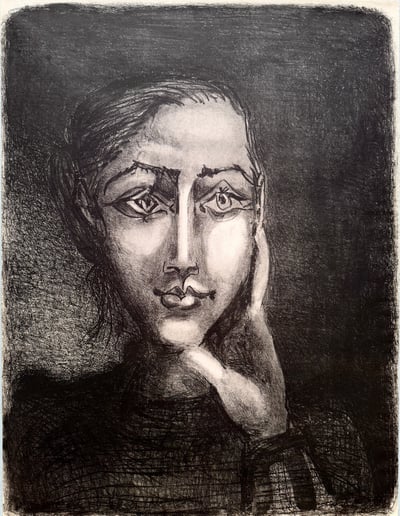
Pablo Picasso
Françoise sur fond gris, 1950
Limited Edition Print
Lithograph
EUR 70,000 - 80,000
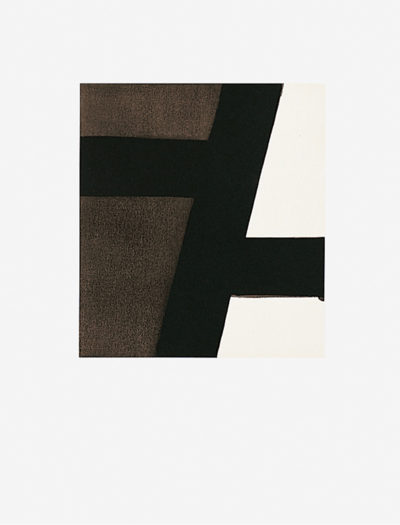
Pierre Soulages
Lithographie n° 21, 1969
Limited Edition Print
Lithograph
Inquire For Price
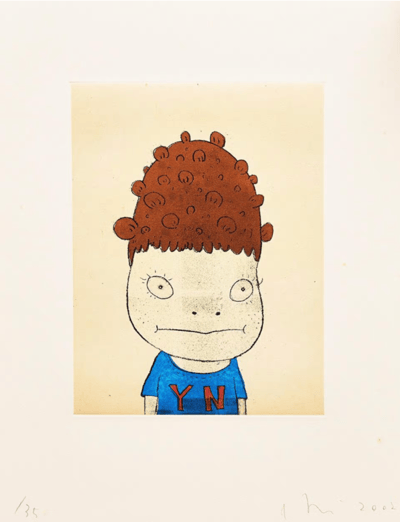
Yoshitomo Nara
Y.N. (Self-Portrait), 2002
Limited Edition Print
Intaglio
Inquire For Price

Nicolas Party
Portrait With Shells, 2021
Limited Edition Print
Woodcut
GBP 5,000 - 7,000

Nicolas Party
Purple Peaches, 2024
Limited Edition Print
Screen-print
GBP 6,000 - 10,000
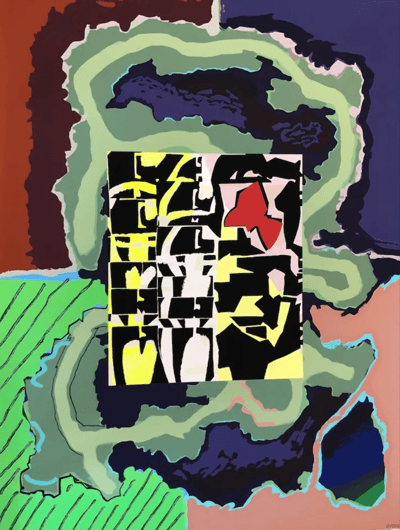
Luis Gordillo
Untitled (Chromatic Core), 2012
Limited Edition Print
Screen-print
EUR 7,200
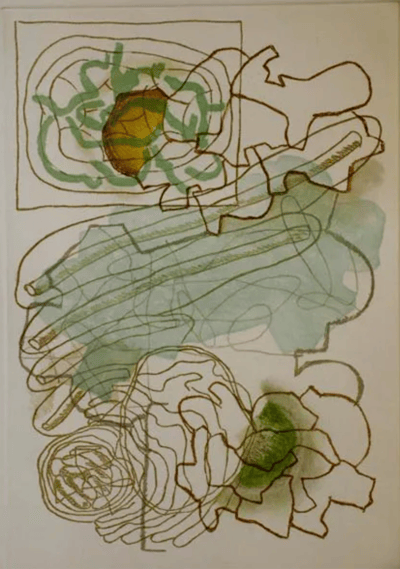
Luis Gordillo
Untitled (Neural Bloom), 1991
Limited Edition Print
Etching
EUR 800
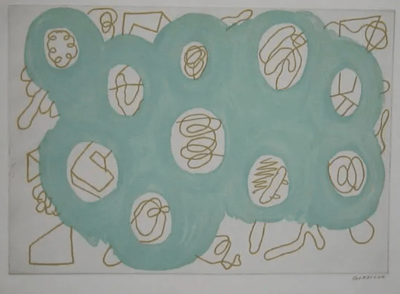
Luis Gordillo
Untitled (Veiled Scribbles), 1991
Limited Edition Print
Etching
EUR 800
Related Articles

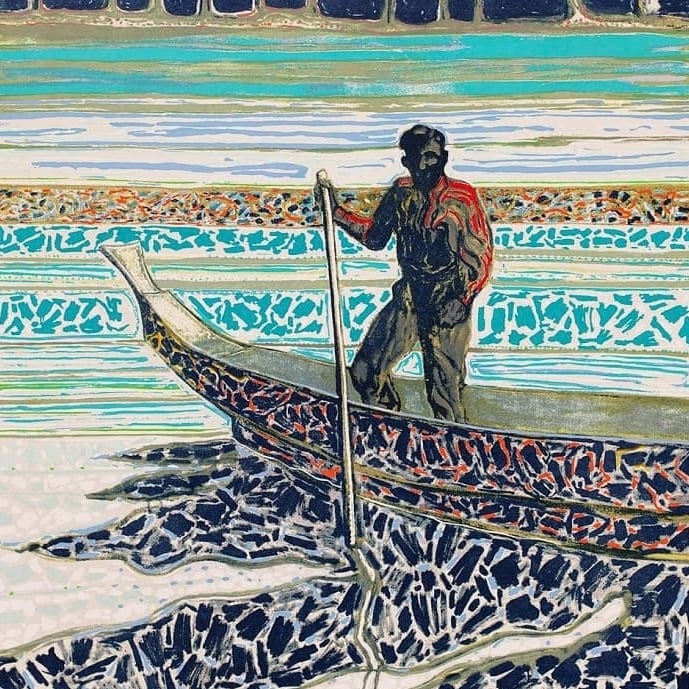
Stuckism is an art movement that promotes figurative painting over conceptual art. It was founded in 1999 by Charles Thomson and Billy Childish with an initial group of 13 artists in Britain. The movement has since expanded to 52 countries with 233 groups worldwide. Several manifestos, issued by Thomson and Childish, advocate for the spirit of modernism and the creation of spiritual art, regardless of medium, subject matter, or style. Stuckism emphasizes the importance of genuine expression and rejects the dominance of conceptual art in the contemporary art scene.
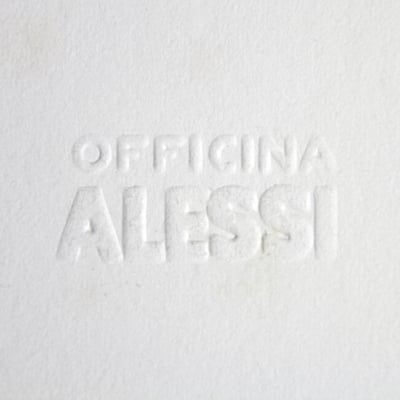
A watermark is an image or pattern embedded into a sheet of paper during the papermaking process. Each papermaker includes a faint trademark, which becomes visible when the paper is held up to a light source. Watermarks serve as a mark of authenticity and are used for identification, often carrying historical significance in determining the origin and age of the paper.

A foundry is a place where metal is melted and shaped to create sculptures. Artists bring their completed wax sculptures to the foundry, where molds are made in the same shape. The foundry then uses these molds to cast the sculpture in metal, often resulting in a finished metal artwork.
Can't find your Answer?
Thank you! Your question has been sent — we'll get back to you shortly.
