
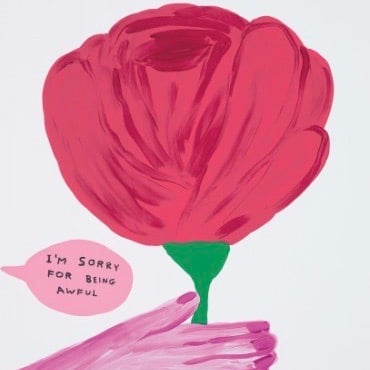
What is Naive Art?
- Show All
- Established
- Discoveries
- Show All
Artworks Related to Naive art
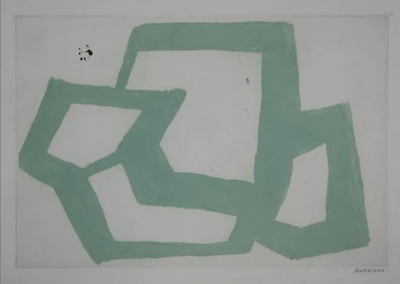
Luis Gordillo
Untitled (Linked Angles), 1991
Limited Edition Print
Etching
EUR 800
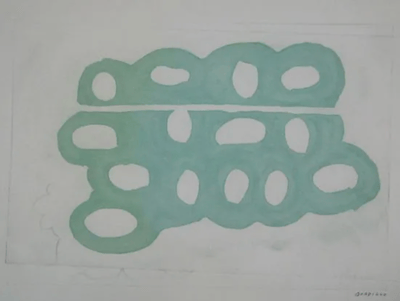
Luis Gordillo
Untitled (Divided Loop), 1991
Limited Edition Print
Etching
EUR 800
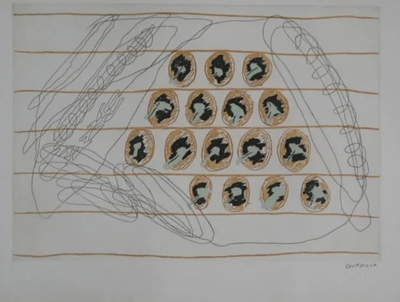
Luis Gordillo
Untitled (Profile Grid), 1991
Limited Edition Print
Etching
EUR 800
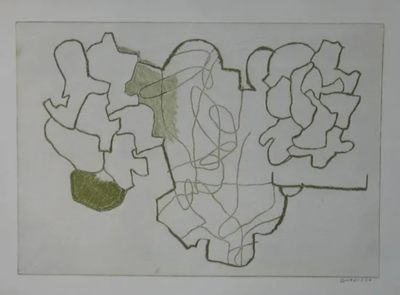
Luis Gordillo
Untitled (Contour Dialogue), 1991
Limited Edition Print
Etching
EUR 800
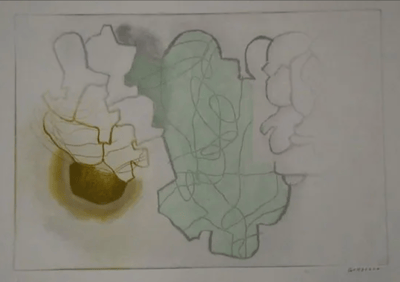
Luis Gordillo
Untitled (Soft Dissonance), 1991
Limited Edition Print
Etching
EUR 800
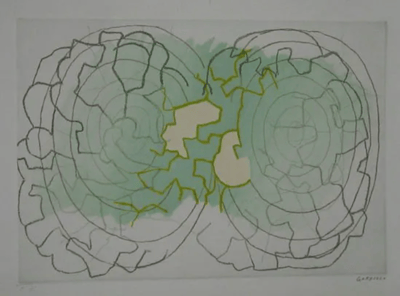
Luis Gordillo
Untitled (Symmetric Core), 1991
Limited Edition Print
Etching
EUR 800

Luis Gordillo
Untitled (Dual Structures), 1991
Limited Edition Print
Etching
EUR 1,050

Luis Gordillo
Untitled (Pattern of Faces), 1991
Limited Edition Print
Etching
EUR 1,050

Luis Gordillo
Untitled (Fragmented Memory), 1991
Limited Edition Print
Etching
EUR 1,050

Luis Gordillo
Untitled (Suspended Cells), 1991
Limited Edition Print
Etching
EUR 1,050

Luis Gordillo
Untitled (Organic Codes), 1991
Limited Edition Print
Etching
EUR 1,050

Luis Gordillo
Untitled (Fractured Echoes), 1991
Limited Edition Print
Etching
EUR 1,050
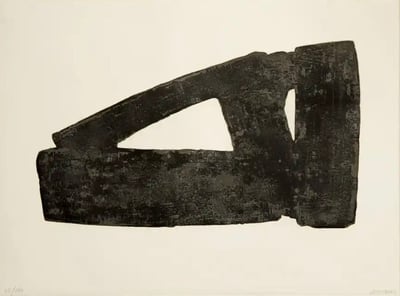
Pierre Soulages
Eau-forte XXXII, 1974
Limited Edition Print
Etching
EUR 29,800
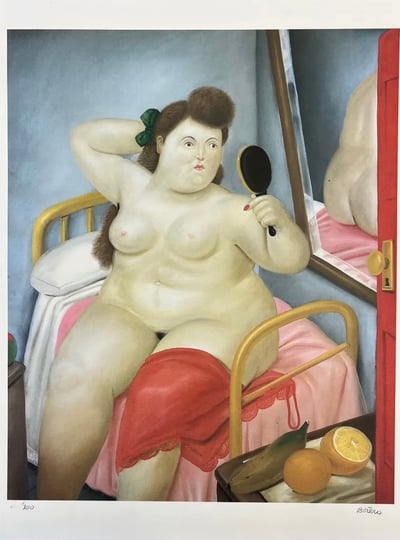
Fernando Botero
La Toilette, 1983
Limited Edition Print
Offset Print
EUR 6,870
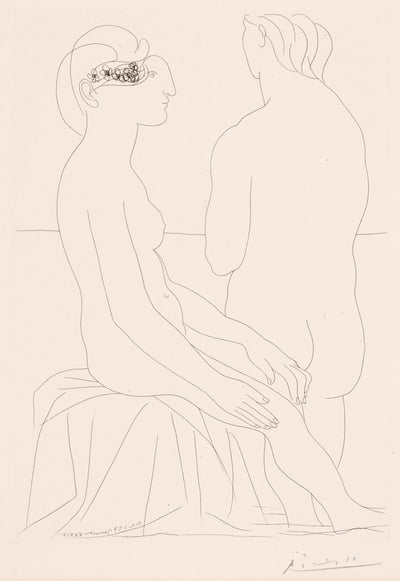
Pablo Picasso
Femme assise et Femme de Dos, pl. 78, 1934
Limited Edition Print
Etching
USD 9,000
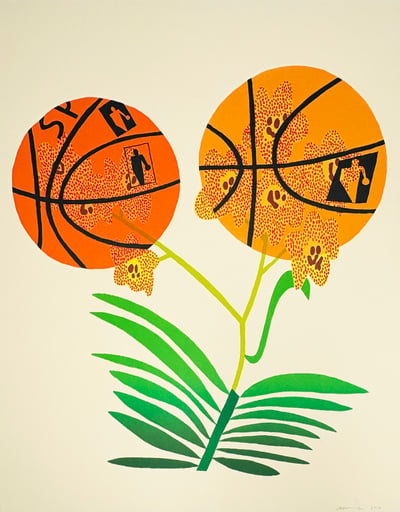
Jonas Wood
Double Basketball Orchid (State I), 2017
Limited Edition Print
Lithograph
USD 30,000 - 40,000
Related Articles

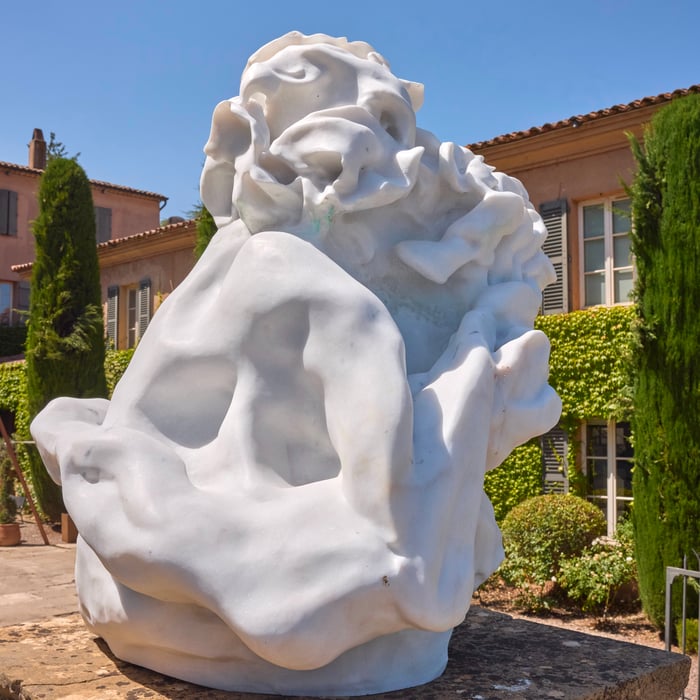
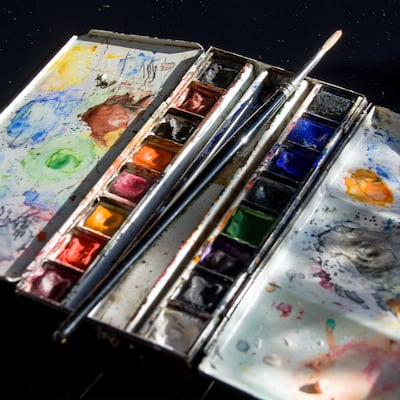
Watercolor refers to both the medium and the resulting artwork created using pigments suspended in a water-soluble vehicle. Watercolors are known for their luminous, transparent appearance because the pigments are applied in pure form with minimal fillers. By adding Chinese white, the watercolor can become opaque, resembling gouache.
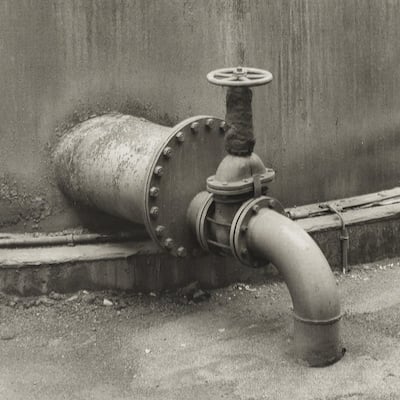
The Düsseldorf School of Photography refers to a group of photographers who studied under Bernd and Hilla Becher at the Kunstakademie Düsseldorf during the 1970s. This group was known for its devotion to the black-and-white industrial images characteristic of the German tradition known as New Objectivity. The photographers focused on precise, methodical documentation of industrial structures, often using a detached and objective approach.

Also referred to as Earth Art, Earthworks, or Environmental Art, Land Art is a sculptural movement that involves creating artworks that integrate conceptual or physical elements of the earth or landscape into the finished piece. These works often interact directly with the environment, using natural materials and settings to explore themes related to nature, place, and time
Can't find your Answer?
Thank you! Your question has been sent — we'll get back to you shortly.
