
What is Naive Art?
- Show All
- Established
- Discoveries
- Show All
Artworks Related to Naive art
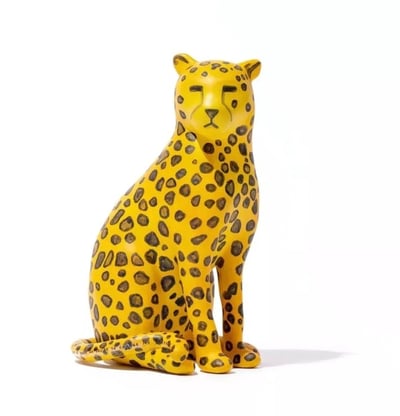
David Shrigley
I Cannot Change My Spots but I Have No Desire to Change My Spots, 2022
Sculpture / Object
Ceramic
EUR 2,850

David Shrigley
The Plant Loves Me I Am So Lucky, 2023
Limited Edition Print
Screen-print
USD 2,550
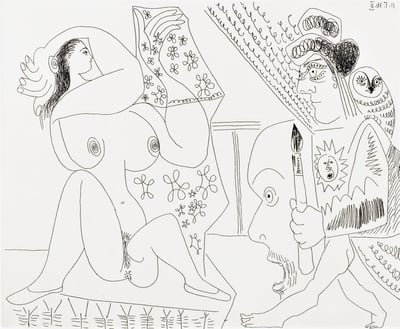
Pablo Picasso
Peintre et modèle , 1970
Limited Edition Print
Etching
EUR 2,400
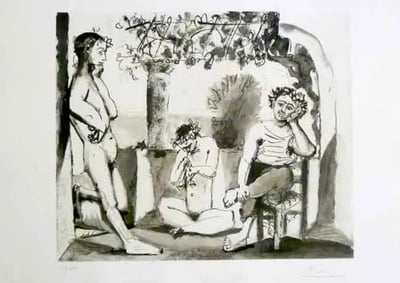
Pablo Picasso
Bacchanale, 1955
Limited Edition Print
Etching and Aquatint
EUR 13,150
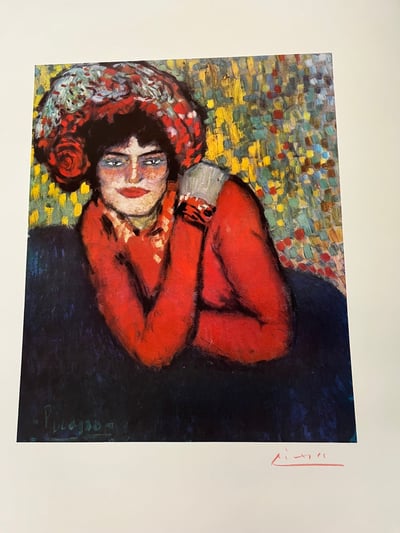
Pablo Picasso
L`Attente, 1966
Limited Edition Print
Lithograph
EUR 6,400

Jonas Wood
Untitled (1) from 8 Pots, 2017
Limited Edition Print
Etching
USD 12,000

Jonas Wood
Untitled (3) from 8 Pots, 2017
Limited Edition Print
Etching
USD 12,000

Jonas Wood
Untitled (5), from 8 Pots, 2017
Limited Edition Print
Etching
USD 12,000

Jonas Wood
Untitled (6), from 8 Pots, 2017
Limited Edition Print
Etching
USD 12,000

Jonas Wood
Untitled (7) from 8 Pots, 2017
Limited Edition Print
Etching
USD 12,000

Jonas Wood
Untitled (8) from 8 Pots, 2017
Limited Edition Print
Etching
USD 12,000
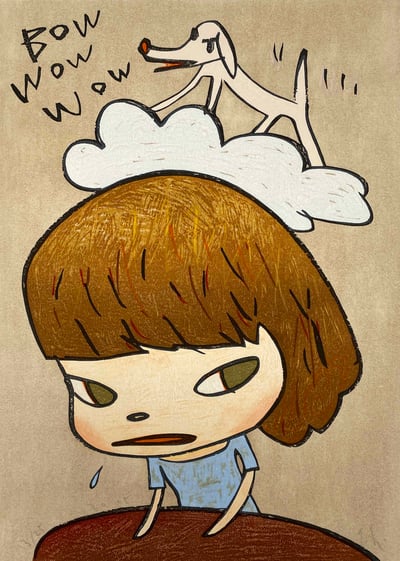
Yoshitomo Nara
Bow Wow Wow, 2015
Limited Edition Print
Woodcut
Currently Not Available

Pablo Picasso
Femme assise ( Dora Maar), 1955
Limited Edition Print
Lithograph
Currently Not Available

Jonas Wood
Untitled (4) from 8 Pots, 2017
Limited Edition Print
Etching
USD 12,000

David Shrigley
Untitled (I Am Listening), 2020
Limited Edition Print
Screen-print
GBP 9,000 - 12,000

David Shrigley
Untitled (I would like to write on your wall with my crayons is that OK?), 2020
Limited Edition Print
Screen-print
GBP 6,000 - 8,000
Related Articles

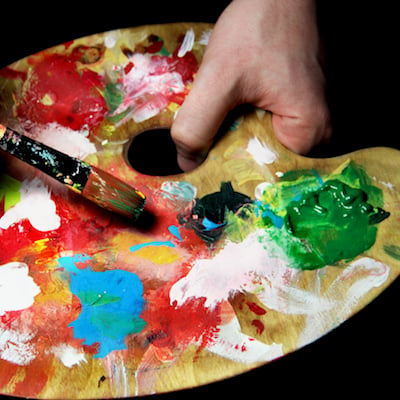
Oil on board is a painting technique where oil paint is applied to either wood panels that have been sanded and primed or high-density cardboard covered with canvas. These surfaces offer the advantage of being more compact for storage compared to traditional stretched canvas on frames, while still providing a stable surface for painting.
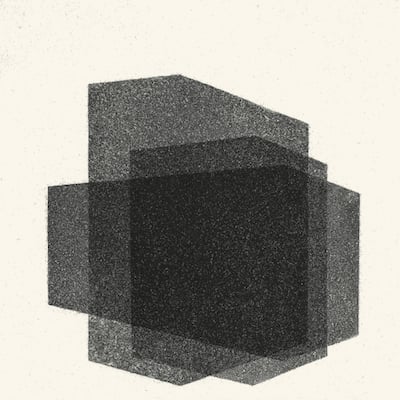
Intaglio is a printmaking technique where the artist creates marks on a metal plate that hold ink or dye. The inked plate is then pressed onto paper, transferring the ink to the sheet. This process can be repeated multiple times depending on the technique. Intaglio methods, such as etching, often involve applying a mordant (acid) to the metal plate to create the design. Intaglio encompasses various techniques, including engraving, etching, and drypoint.

Gestural art is a term that describes painting with freely sweeping brushstrokes. The primary goal of gestural art is to allow the artist to physically express emotional impulses. The varied, yet expressive paint marks are intended to convey the artist's inner thoughts and emotions, which viewers are believed to understand through the dynamic and spontaneous application of paint.
Can't find your Answer?
Thank you! Your question has been sent — we'll get back to you shortly.
