
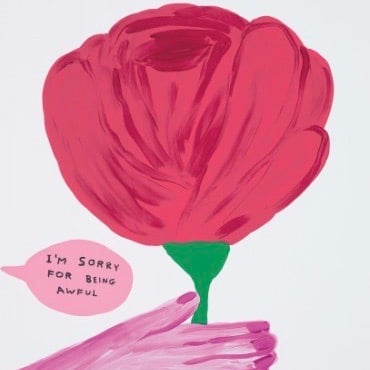
What is Naive Art?
- Show All
- Established
- Discoveries
- Show All
Artworks Related to Naive art
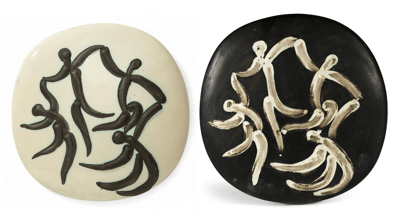
Pablo Picasso
Dancers (pair), 1956
Sculpture / Object
Plate
Currently Not Available

Pablo Picasso
Tormented Faun’s Face, 1956
Sculpture / Object
Plate
Currently Not Available

Pablo Picasso
DANAÉ (B. 1084; BA. 1286), 1962
Limited Edition Print
Linocut
Inquire For Price
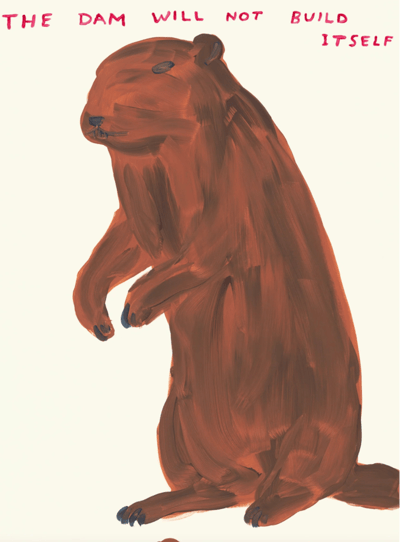
David Shrigley
The Dam Will Not Build Itself, 2023
Limited Edition Print
Screen-print
GBP 2,700

Pablo Picasso
Le peintre et son modele, 1954
Limited Edition Print
Lithograph
EUR 23,500
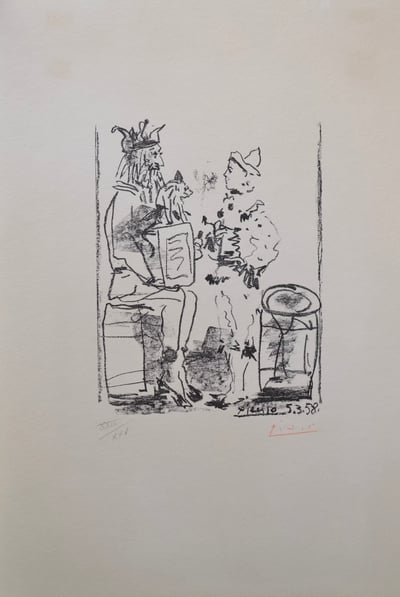
Pablo Picasso
Les Saltmbanque (B855), 1958
Limited Edition Print
Lithograph
USD 8,950
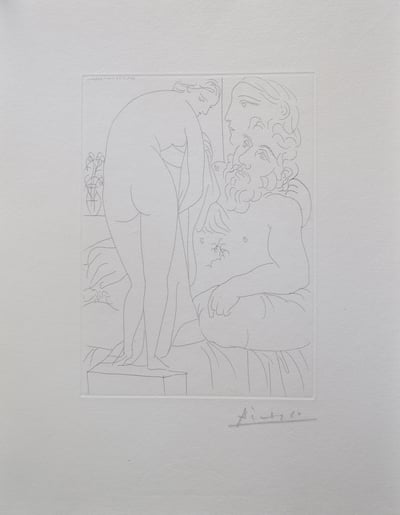
Pablo Picasso
Le repos du sculpteur devant un nu à la draperie, pl. 51 (B160 Vollard), 1933-1939
Limited Edition Print
Etching
USD 14,250
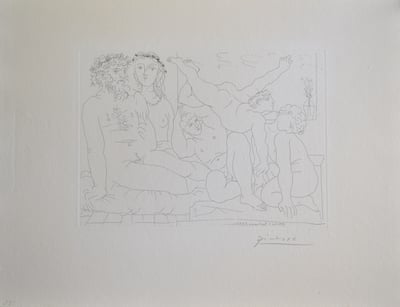
Pablo Picasso
Famille de Saltimbanques (B163 Vollard), 1933-1939
Limited Edition Print
Etching
USD 14,250

Pablo Picasso
Modèle et Grande Tête Sculptée (B170 Vollard), 1933
Limited Edition Print
Etching
USD 15,500
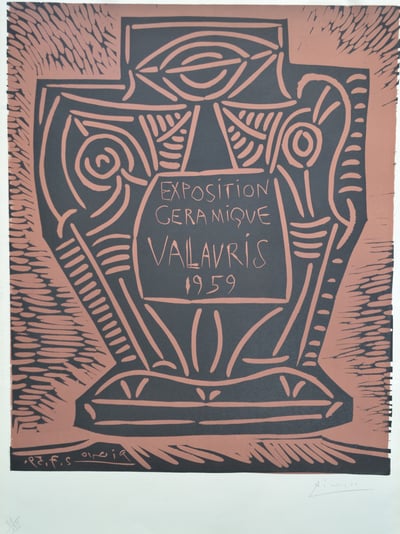
Pablo Picasso
Exposition Céramique Vallauris - B1286 , 1959
Limited Edition Print
Linocut
USD 10,700
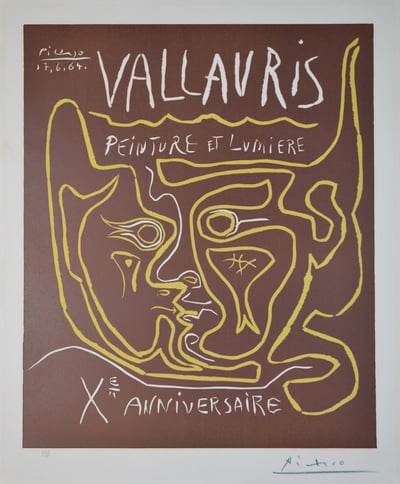
Pablo Picasso
Vallauris Exhibition - B1850, 1964
Limited Edition Print
Linocut
USD 10,700

Pablo Picasso
Femme assise en pyjama de plage. II - B1062, 1961
Limited Edition Print
Linocut
USD 17,750

Jonas Wood
Landscape Pot with Plant, 2017
Limited Edition Print
Screen-print
USD 40,000 - 50,000
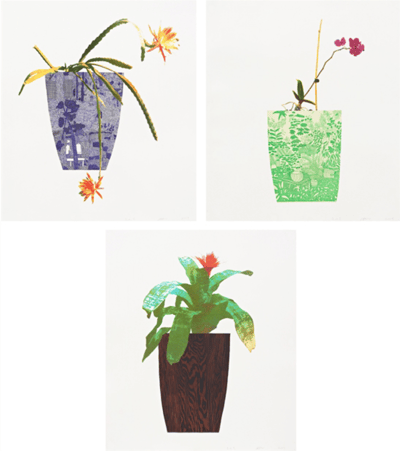
Jonas Wood
Three Landscape Pots, 2019
Limited Edition Print
Mixed Media
USD 67,000 - 80,000
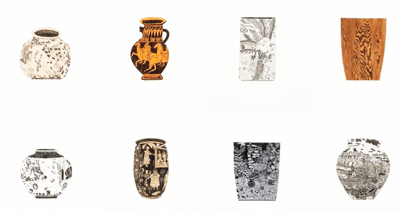
Jonas Wood
8 Pots (Portfolio of 8), 2017
Limited Edition Print
Etching
USD 70,000 - 80,000

Jonas Wood
Dogface Purple Orchid, 2022
Limited Edition Print
Lithograph
USD 50,000 - 55,000
Related Articles


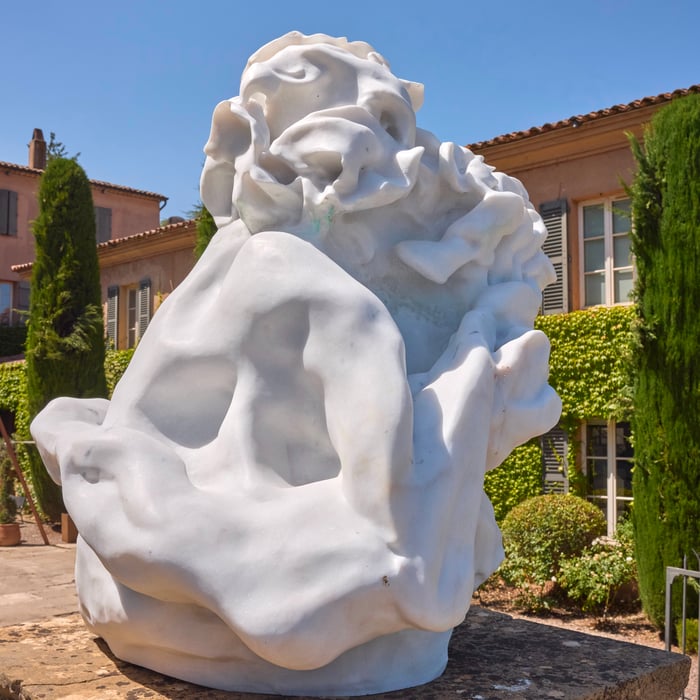

Surrealism began in the 1920s as an art and literary movement with the goal of revealing the unconscious mind and unleashing the imagination by exploring unusual and dream-like imagery. Influenced by Sigmund Freud’s theories of psychoanalysis, Surrealist artists and writers sought to bring the unconscious into rational life, blurring the lines between reality and dreams. The movement aimed to challenge conventional perceptions and express the irrational aspects of the human experience.

Also known as Dadaism, Dada was a literary and artistic movement that began in 1916 in Zurich, Switzerland. It emerged as a rejection of rationalism and nationalism, which were seen as contributing factors to World War I. The movement had political undertones and was strongly anti-war. Dada activities included demonstrations, gatherings, and the publication of literary and art journals that explored cultural and political topics.
An object with distinctive or unusual qualities that naturally draws attention and prompts discussion among people.
Can't find your Answer?
Thank you! Your question has been sent — we'll get back to you shortly.
