
What is Naive Art?
- Show All
- Established
- Discoveries
- Show All
Artworks Related to Naive art

David Shrigley
Ignore the Ghosts, 2022
Limited Edition Print
Screen-print
GBP 4,500
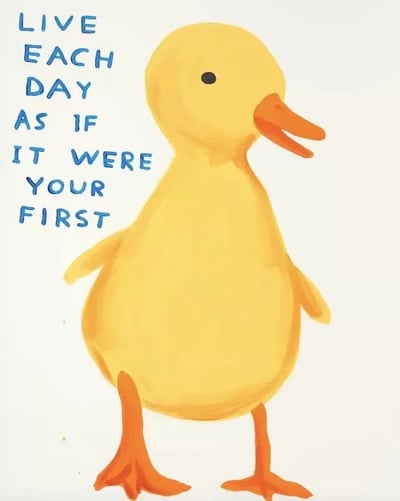
David Shrigley
Live Each Day as if it’s the First, 2022
Limited Edition Print
Screen-print
GBP 7,950
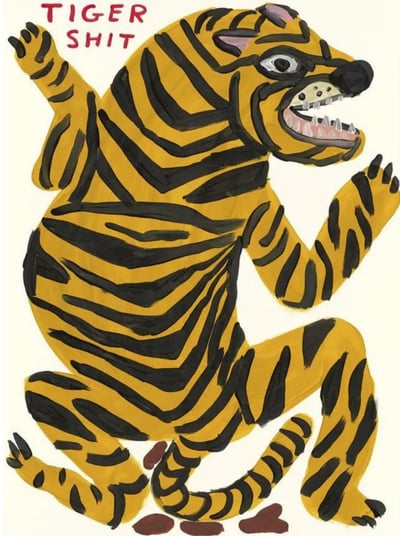
David Shrigley
Tiger Shit, 2021
Limited Edition Print
Screen-print
GBP 3,100

David Shrigley
I Cannot Live Without You, 2019
Limited Edition Print
Screen-print
GBP 11,400

David Shrigley
I've Never Seen You, 2018
Limited Edition Print
Screen-print
GBP 7,900

David Shrigley
Fucking Ace, 2018
Limited Edition Print
Screen-print
GBP 4,000 - 6,000

David Shrigley
Stop Panicking, 2021
Limited Edition Print
Screen-print
GBP 7,500
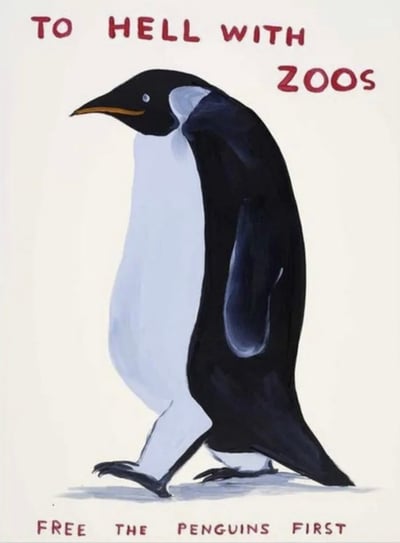
David Shrigley
To Hell With Zoos, 2021
Limited Edition Print
Screen-print
GBP 5,000 - 8,000
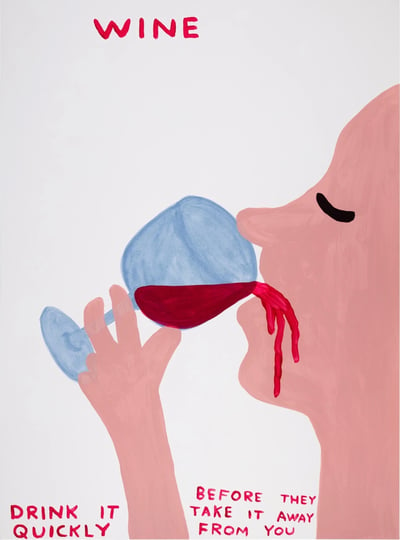
David Shrigley
Wine, 2021
Limited Edition Print
Screen-print
GBP 6,000 - 8,000

David Shrigley
Old Cat, 2022
Limited Edition Print
Screen-print
GBP 5,200

Jonas Wood
Yellow Flower, 2022
Limited Edition Print
Screen-print
USD 21,300

David Shrigley
Please Shut Up, 2022
Limited Edition Print
Screen-print
GBP 3,500 - 5,000

Pablo Picasso
L Inspiration Travaille Et Le Peintre Se Tourne Les Pouches, 1951
Limited Edition Print
Mixed Media
USD 7,500

Pablo Picasso
Grand Maternity, 1963
Limited Edition Print
Lithograph
EUR 25,000 - 30,000

Nicolas Party
Flowers and few colors, 2013
Limited Edition Print
Screen-print
USD 9,000 - 12,000

Pablo Picasso
Face with palm-leaves #366, 1956
Ceramics
Plate
USD 17,900
Related Articles


A Chinese term that describes performance art. This concept is relatively new and may be challenging to articulate unless people understand the intentions behind it. It is a flexible concept that emphasizes everyday, common, and community-focused elements. The art form is heightened, refined, and reflective of how people behave, move, and live.

Lithography is a printing method based on the principle that water and oil do not mix. It can be used to print artwork or text onto paper or other suitable materials. Traditionally, an image was drawn with wax, fat, or oil onto a lithographic limestone surface or plate. Today, metal plates and other surfaces are also used in lithographic printing.

A C-type print, also known as a chromogenic print, is a photographic print made from a color negative or slide. The print is created on chromogenic paper, which contains three emulsion layers, each sensitized to a different primary color. After exposure, the paper is processed in a series of chemical baths, where each layer reacts to the chemicals to produce the final image. C-type prints are known for their rich color depth and are widely used in fine art and commercial photography.
Can't find your Answer?
Thank you! Your question has been sent — we'll get back to you shortly.
