
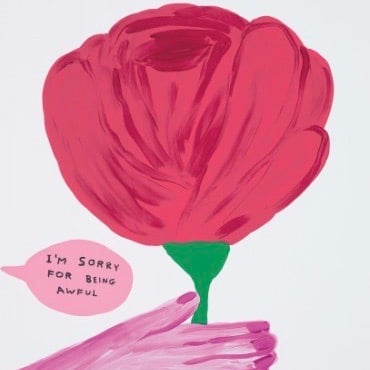
What is Naive Art?
- Show All
- Established
- Discoveries
- Show All
Artworks Related to Naive art

Pablo Picasso
Face With Circles R140, 1969
Ceramics
Ceramic
USD 15,500
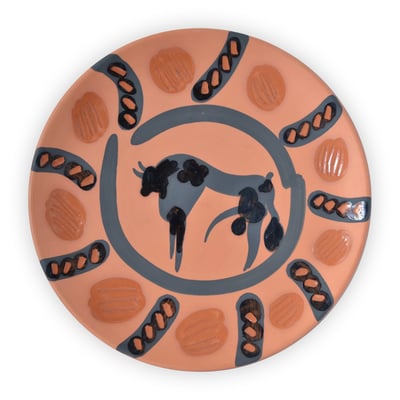
Pablo Picasso
Bull #392 R529, 1957
Ceramics
Plate
USD 15,900
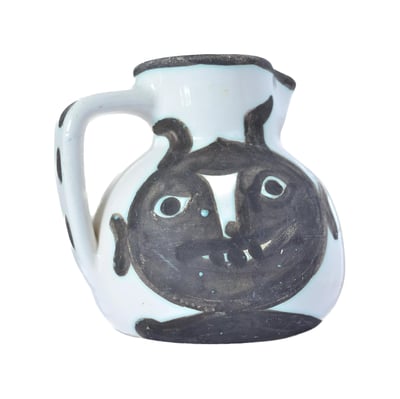
Pablo Picasso
Heads #367 (Ceramic Pitcher), 1956
Ceramics
Ceramic
USD 6,400

Pablo Picasso
Big Fish #332 B95, 1956
Ceramics
Plate
USD 17,800

Pablo Picasso
Picador, 1952
Ceramics
Plate
USD 6,700
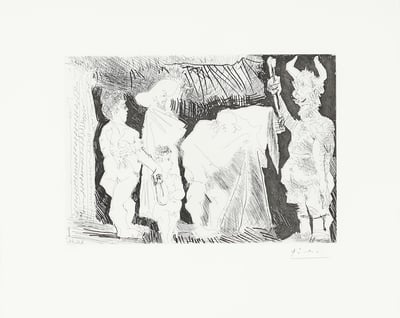
Pablo Picasso
Le Cocu Posant pour une photographie devant des spectateurs, 1966
Limited Edition Print
Etching and Aquatint
USD 7,950

Pablo Picasso
Peintre Avec Deux Modeles Regardant une Toile, 1927
Limited Edition Print
Etching
USD 7,950

Marcel Dzama
Ex Libris , 2011
Drawing / Watercolor
Mixed Media
EUR 2,000

David Shrigley
I try to be friendly, 2023
Limited Edition Print
Screen-print
GBP 11,400

Fernando Botero
Fumador de Cigarrillos, 1975 -1980
Limited Edition Print
Lithograph
Currently Not Available

David Shrigley
No One Is Happier Than Me, 2022
Limited Edition Print
Screen-print
GBP 4,500
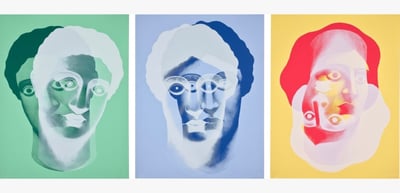
Nicolas Party
Karma Series of Portraits, 2017
Limited Edition Print
Screen-print
GBP 25,000 - 30,000

Nicolas Party
Portrait for RXArt Children's Hospital Commission, 2019
Limited Edition Print
Screen-print
Inquire For Price

Jonas Wood
Untitled (Geometric Plant), 2009
Limited Edition Print
Mixed Media
GBP 18,000 - 22,000

Jonas Wood
Untitled (Round Pot From 8 pots), 2017
Limited Edition Print
Mixed Media
GBP 10,000 - 12,000

Jonas Wood
Flask, 2015
Limited Edition Print
Screen-print
GBP 6,000 - 10,000
Related Articles

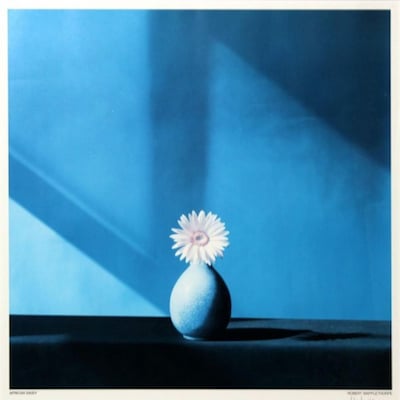
Photogravure is a high-quality printing process that involves etching a photograph onto a copper plate. The plate is inked and pressed onto paper, producing fine art prints with detailed, soft tones and rich textures. Developed in the 19th century, photogravure is renowned for its ability to create art reproductions with exceptional depth and subtlety.

Graphite is a form of carbon commonly used as the core material in pencils. It can be compressed to various levels of hardness, allowing for different shading effects in drawing. In powdered form, graphite can be applied with a brush for broader, softer applications. Graphite erases easily and was first discovered in the 1500s in England's Lake District.

Orphism is an abstract style of painting influenced by Cubism, developed by Sonia and Robert Delaunay. The term was coined around 1912 by French poet Guillaume Apollinaire to differentiate the Delaunays' work from Cubism, emphasizing their focus on vibrant color and light. The name Orphism is inspired by the Greek musician Orpheus, symbolizing the movement's lyrical and harmonious qualities.
Can't find your Answer?
Thank you! Your question has been sent — we'll get back to you shortly.
