
What is Naive Art?
- Show All
- Established
- Discoveries
- Show All
Artworks Related to Naive art

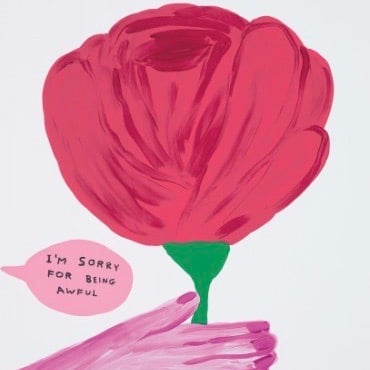
David Shrigley
I Hate Human Beings, 2021
Limited Edition Print
Screen-print
USD 3,900

David Shrigley
Ive Got Your Lipstick, 2021
Limited Edition Print
Silkscreen
USD 3,770

Nicolas Party
Portrait With A Mustache, 2013
Limited Edition Print
Mixed Media
Inquire For Price

David Shrigley
Before You Can Entertain, 2021
Limited Edition Print
Screen-print
GBP 3,500

David Shrigley
Be Kind To Everyone, 2021
Limited Edition Print
Screen-print
GBP 4,000 - 6,000

David Shrigley
Black Cats, 2021
Limited Edition Print
Screen-print
GBP 3,000
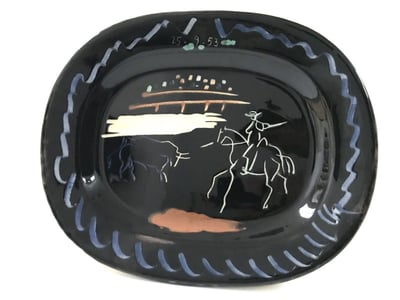
Pablo Picasso
Corrida sur fond noir, 1953
Ceramics
Plate
EUR 12,000 - 15,000

Pablo Picasso
Bull and Horse (plate III) in the Arena from Le Chef-d'œuvre inconnu, 1927
Limited Edition Print
Etching
USD 8,000
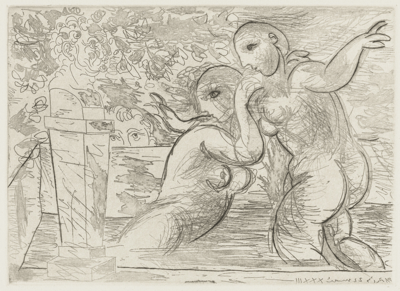
Pablo Picasso
Les Baigneuses Surprises, from La Suite Vollard, 1933
Limited Edition Print
Etching
USD 16,800

Pablo Picasso
Le Cocu Magnifique (noir), 1966
Limited Edition Print
Etching and Aquatint
USD 7,600

Pablo Picasso
El Rapto De Jezabel Por Quirón El Centauro II, 1962
Limited Edition Print
Drypoint
EUR 9,560

Pablo Picasso
Le Cocu magnifique I, 1968
Limited Edition Print
Etching
EUR 11,900
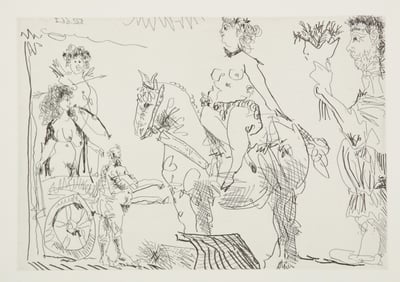
Pablo Picasso
Le Cocu magnifique, 1968
Limited Edition Print
Etching
EUR 11,900
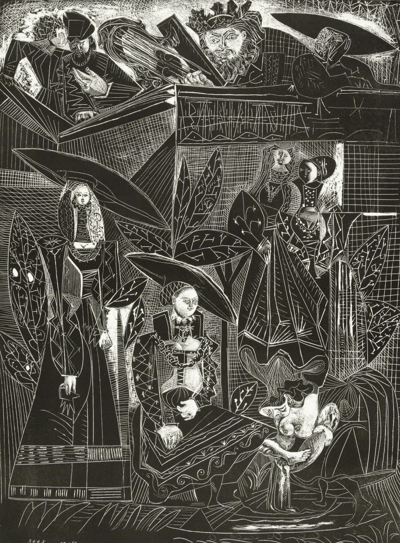
Pablo Picasso
David Et Bethsabée, 1949
Limited Edition Print
Lithograph
EUR 40,400

David Shrigley
I Will Retrieve Your Phone, 2021
Limited Edition Print
Screen-print
GBP 3,900

David Shrigley
You Will Not Stop Me From Singing My Song, 2021
Limited Edition Print
Screen-print
GBP 9,200
Related Articles

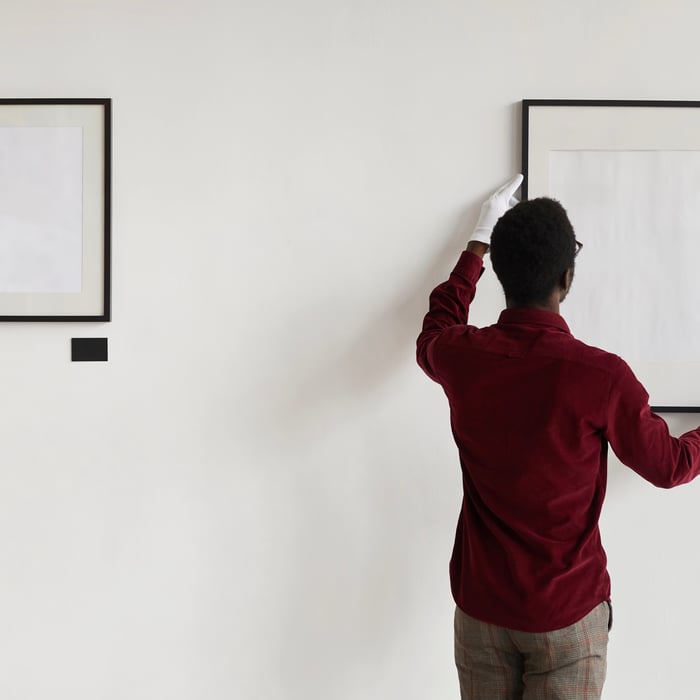
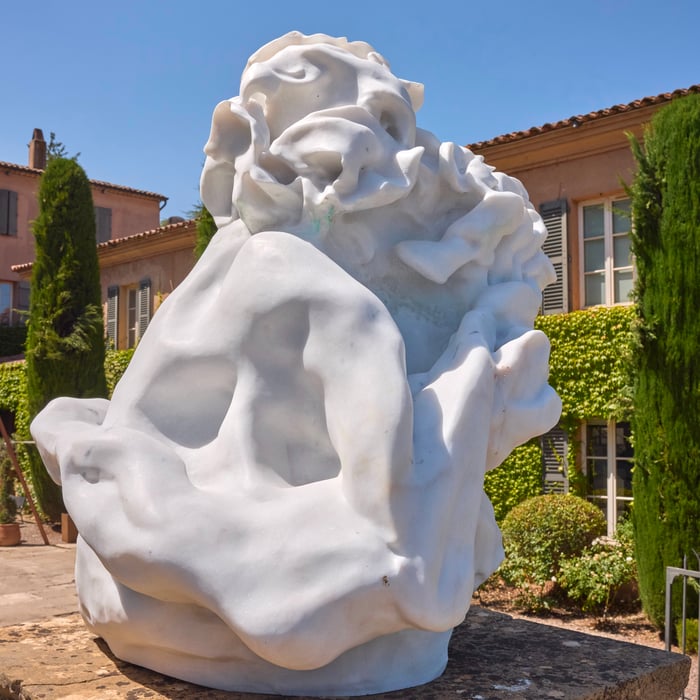

Patina is the distinctive greenish surface that bronze develops over time due to exposure to air and humidity. Artists can also apply chemicals to bronze to artificially create patina. Alternatively, bronze can be polished to reveal its natural rich gold color. Patina is not exclusive to bronze; it can also occur on other metals like copper and even on wood and stone, enhancing the material's character over time.
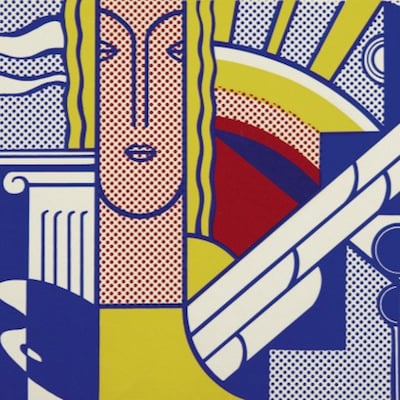
Late Modernism refers to the continuation and evolution of Modernist principles in art, architecture, and literature from the mid-20th century into the late 20th century. This movement maintains a focus on form, abstraction, and the rejection of traditional styles, but it often incorporates more complexity and ambiguity compared to early Modernism. Late Modernism explores themes such as alienation, identity, and the fragmentation of reality, reflecting the social and cultural shifts of the post-war period. It is seen in the works of architects like Louis Kahn and artists like Francis Bacon, who pushed the boundaries of Modernism while responding to the changing world around them.

A replica is a copy of an artwork that is so precisely made that it is nearly indistinguishable from the original. Artists may create replicas of their own work, or replicas can be produced for educational purposes, preservation, or display when the original cannot be shown. While replicas aim to closely mimic the original, they are usually identified as reproductions rather than original works.
Can't find your Answer?
Thank you! Your question has been sent — we'll get back to you shortly.
