
What is Naive Art?
- Show All
- Established
- Discoveries
- Show All
Artworks Related to Naive art
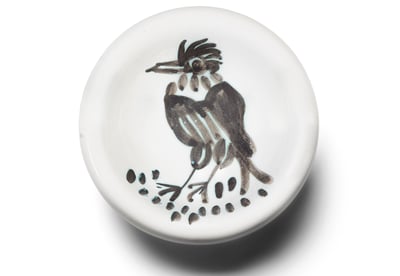
Pablo Picasso
Bird with tuft, 1952
Sculpture / Object
Clay
USD 3,900

Pablo Picasso
Bird under the sun, 1952
Sculpture / Object
Clay
USD 4,250

Pablo Picasso
Bird with worm, 1952
Sculpture / Object
Clay
USD 3,550

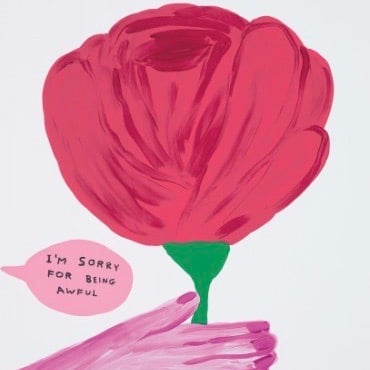
David Shrigley
Vote (set of 8), 2022
Limited Edition Print
Silkscreen
EUR 10,000 - 15,000

Pablo Picasso
Face No 0 Round Plate, 1963
Ceramics
Plate
USD 15,200

David Shrigley
I Am The Moth, You Are The Flame, 2022
Limited Edition Print
Linocut
GBP 1,500

Nicolas Party
Trees, 2020
Limited Edition Print
Woodcut
GBP 6,000

Nicolas Party
Untitled Blue, 2016
Limited Edition Print
Mixed Media
GBP 4,850

Nicolas Party
Untitled Green, 2016
Limited Edition Print
Mixed Media
GBP 4,850

Jonas Wood
Notepad Doodle 3 (State III), 2018
Limited Edition Print
Lithograph
GBP 8,600
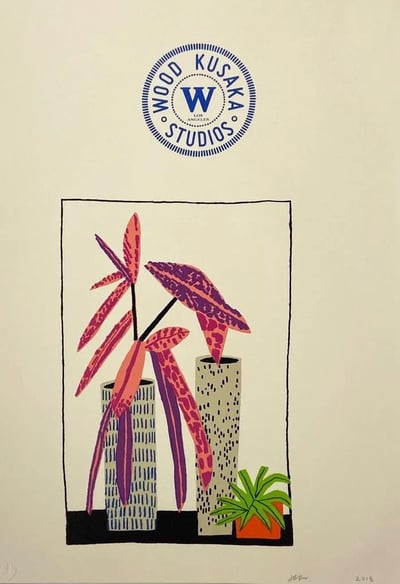
Jonas Wood
Notepad Doodle 3 (State II), 2018
Limited Edition Print
Lithograph
GBP 8,600

Jonas Wood
Notepad Doodle 2 (State I), 2017
Limited Edition Print
Lithograph
GBP 8,300

Jonas Wood
Notepad Doodle (state II), 2017
Limited Edition Print
Lithograph
GBP 10,400

Yoshitomo Nara
Miss Spring, 2021
Limited Edition Print
Digital Print on paper
Currently Not Available

David Shrigley
Be Nice, 2017
Limited Edition Print
Screen-print
GBP 10,000 - 12,000

David Shrigley
Just fly away, 2022
Limited Edition Print
Screen-print
GBP 4,250
Related Articles


Gouache is an opaque watercolor paint that allows artists to layer from light to dark. Unlike traditional transparent watercolors, gouache is used for creating solid, vibrant colors. It belongs to the water-media category and is made of pigment, a binding agent, and an inert material, specifically designed for opaque painting.

Massurrealism is a portmanteau word coined by American artist James Seehafer in 1992. He observed a trend among postmodern artists who blended themes and aesthetic styles with mass media, including elements of pop art. Massurrealism is a development of surrealism that emphasizes the technological effects on the imagery of contemporary surrealism. The key difference between massurrealism and surrealism is that the latter was founded in Europe at the beginning of the 20th century, while massurrealism is rooted in the influence of modern technology and media.

A triptych is an artwork divided into three sections or panels, often hinged together, allowing it to be displayed open or folded shut. It is a type of polyptych, a term for multi-panel artworks. Typically, the central panel is the largest, flanked by two smaller panels, although some triptychs have panels of equal size. Triptychs have been historically significant in religious art but are also used in contemporary works.
Can't find your Answer?
Thank you! Your question has been sent — we'll get back to you shortly.
