
What is Naive Art?
- Show All
- Established
- Discoveries
- Show All
Artworks Related to Naive art
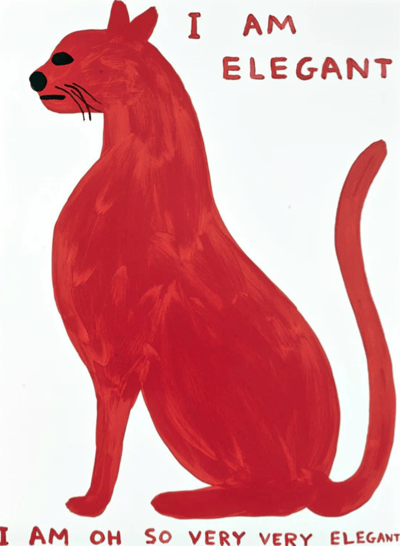
David Shrigley
I am Elegant, 2021
Limited Edition Print
Screen-print
GBP 4,000 - 7,000

Jonas Wood
Vote, 2018
Limited Edition Print
Screen-print
GBP 4,200

Yoshitomo Nara
Cosmic Girl, 2008
Limited Edition Print
Offset Print
GBP 15,900

Yoshitomo Nara
Little Wanderer, 2003
Sculpture / Object
Mixed Media
GBP 3,950

Pablo Picasso
Cruchon Hibou, 1955
Sculpture / Object
Ceramic
EUR 19,000 - 22,000

David Shrigley
Balance The Ball On Your Nose, 2022
Limited Edition Print
Screen-print
GBP 3,900

David Shrigley
Untitled (I Hate Human Beings), 2022
Limited Edition Print
Screen-print
GBP 3,180

David Shrigley
Be Yourself Just Be Yourself, 2023
Limited Edition Print
Screen-print
GBP 2,550

Jonas Wood
Bananas, 2021
Limited Edition Print
Screen-print
EUR 4,850
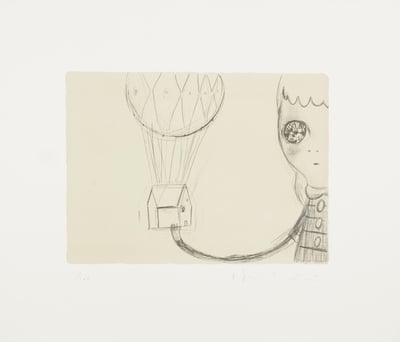
Yoshitomo Nara
Omaha, 2015
Limited Edition Print
Lithograph
EUR 16,500

Fernando Botero
Profile de Jeune Homme, 1992
Drawing / Watercolor
Pen and ink
USD 17,900

David Shrigley
The Elephant, Every time I think of him I am happy, 2022
Limited Edition Print
Screen-print
USD 5,400

David Shrigley
Enjoy Each Moment, 2022
Limited Edition Print
Screen-print
GBP 4,200
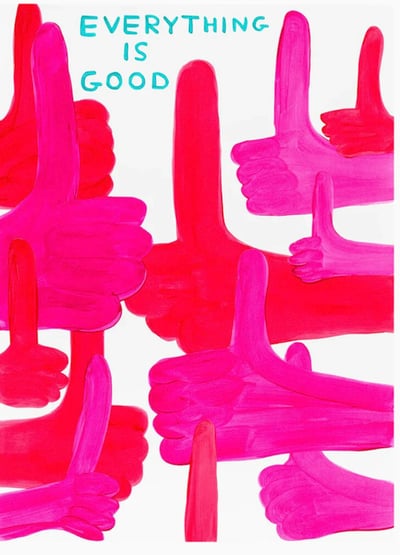
David Shrigley
Everything Is Good, 2023
Limited Edition Print
Screen-print
GBP 3,900

David Shrigley
I Destroyed The Tennis Ball And I Would Like To Destroy More, 2023
Limited Edition Print
Screen-print
GBP 3,350

Pablo Picasso
Gentilhomme, Femme honteuse et Reître, from: Séries 347, 1968
Limited Edition Print
Etching
USD 7,000 - 10,000
Related Articles

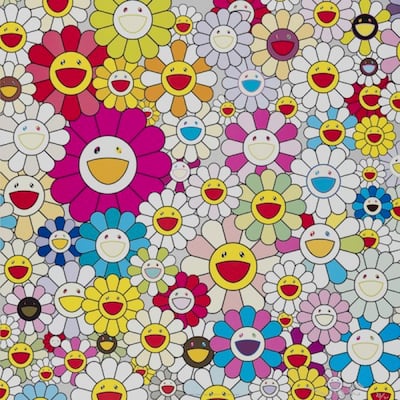
Superflat is an art movement founded by Takashi Murakami, heavily influenced by anime and manga. The term Superflat refers to the flattened forms found in Japanese animation, graphic art, fine arts, and pop culture, as well as the perceived superficiality of Japanese culture. Murakami's movement, which he self-proclaimed, is considered postmodern and critiques both the depth and shallowness of contemporary Japanese society. Superflat has been highly influential in bridging the gap between high art and popular culture.

Original artwork is art that stems directly from the personal inspiration and creativity of an artist. It is not a direct copy of another artist’s work, though it may be inspired by it. The subject matter can be similar, but it cannot be an exact replication. The term also refers to a unique piece, as opposed to a multiple or edition.

Digital art refers to artistic practices or works that utilize digital technology as an essential component of both the creation and presentation process. Since the 1970s, various terms like multimedia and computer art have been used to describe this practice. Digital art is a subset of the broader category known as new media art, which has brought significant changes to the art world. Technology has transformed traditional forms of painting, drawing, sound/music, and sculpture into new digital formats, expanding the possibilities of artistic expression.
Can't find your Answer?
Thank you! Your question has been sent — we'll get back to you shortly.
