

What is new figuration?
- Show All
- Established
- Discoveries
- Show All
Artworks Related to New Figuration
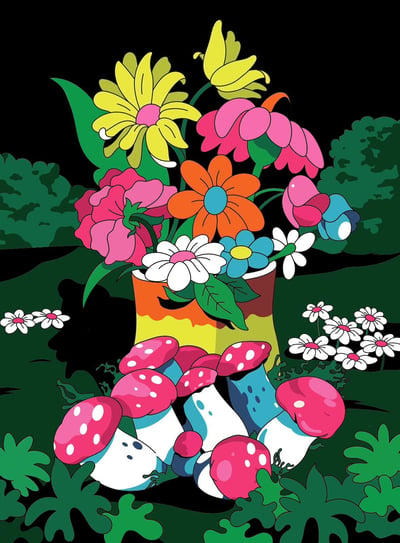
DabsMyla
A cosmic invitation, 2024
Limited Edition Print
Lithograph
EUR 850
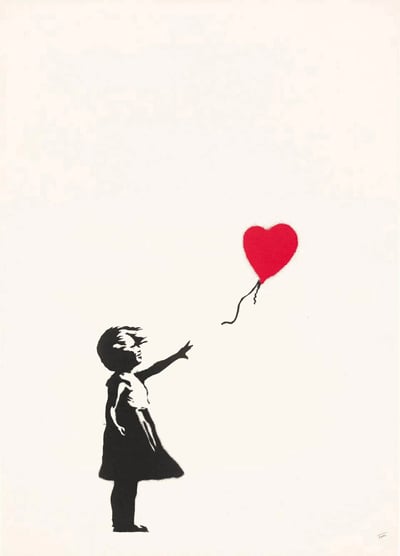
Banksy
Girl With A Balloon (unsigned), 2004
Limited Edition Print
Screen-print
GBP 90,000 - 110,000
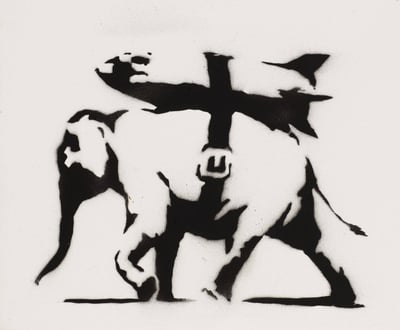
Banksy
Heavy Weaponry, 2004
Limited Edition Print
Mixed Media
GBP 150,000 - 170,000

Banksy
Pulp Fiction (unsigned), 2004
Limited Edition Print
Screen-print
GBP 40,000 - 50,000

David Hockney
Waving, 1986
Limited Edition Print
Screen-print
GBP 17,500
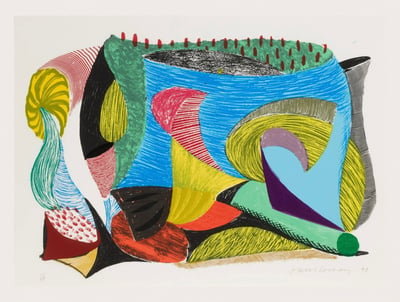
David Hockney
Above and Beyond, 1993
Limited Edition Print
Screen-print
GBP 35,000 - 40,000
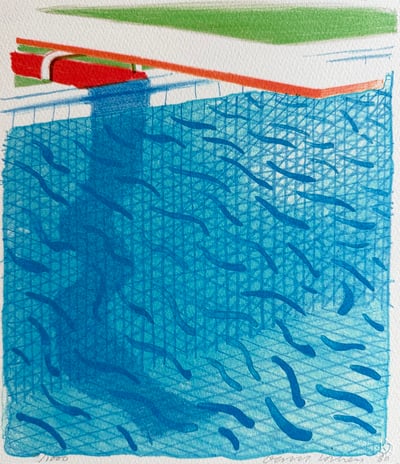
David Hockney
Pool Made with Paper and Blue Ink for Book, 1980
Limited Edition Print
Lithograph
USD 70,000 - 90,000
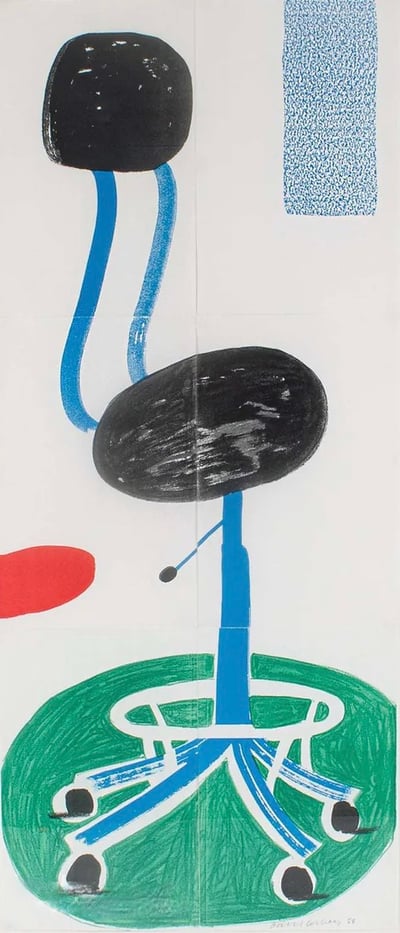
David Hockney
Office Chair, 1988
Limited Edition Print
Mixed Media
GBP 30,000 - 40,000

Zhang Xiaogang
Big Family No.1 (from Bloodline portfolio), 2006
Limited Edition Print
Lithograph
GBP 4,000 - 6,000

Zhang Xiaogang
Comrade Woman (from Bloodline portfolio), 2006
Limited Edition Print
Lithograph
GBP 2,350

Zhang Xiaogang
Big Family No.3 (from Bloodline portfolio), 2006
Limited Edition Print
Lithograph
GBP 5,000 - 7,000
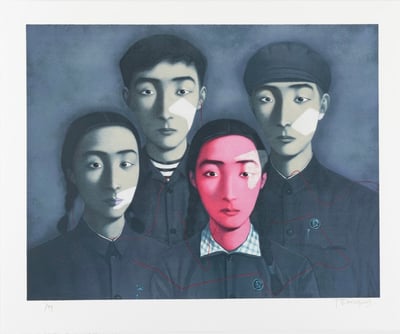
Zhang Xiaogang
The Big Family (from Bloodline portfolio), 2006
Limited Edition Print
Lithograph
GBP 4,000 - 6,000
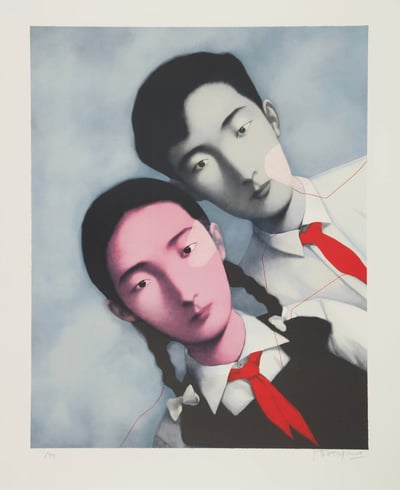
Zhang Xiaogang
Brother and Sister (from Bloodline portfolio), 2006
Limited Edition Print
Lithograph
GBP 3,300
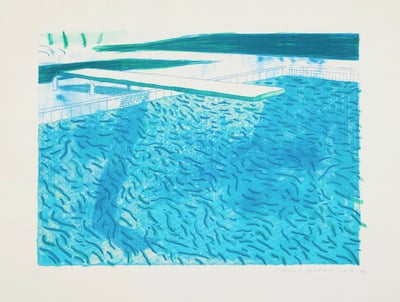
David Hockney
Lithograph of Water Made of Thick and Thin Lines and Two Light Blue Washes, 1978-80
Limited Edition Print
Lithograph
Currently Not Available

Mr. Brainwash
Shero, 2020
Limited Edition Print
Screen-print
EUR 2,950
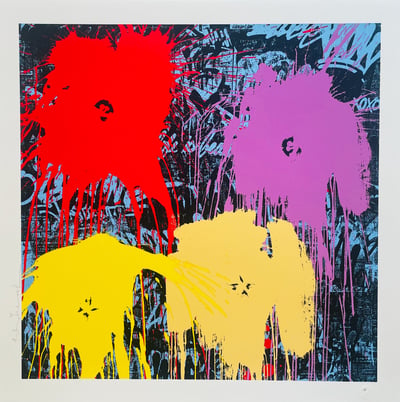
Mr. Brainwash
Flowarh$ (Variation Red), 2021
Limited Edition Print
Screen-print
EUR 2,500
Related Articles


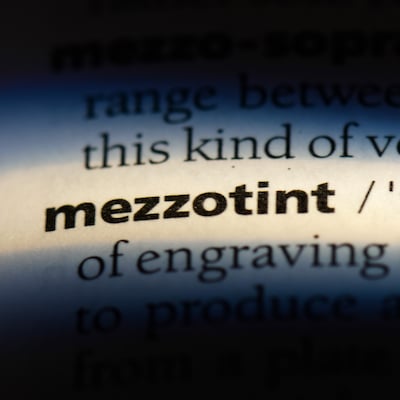
Mezzotint is a printmaking technique in which a copper or steel plate is roughened to produce a solid black print. The artist smooths specific areas of the plate to create a range of tones, from deep blacks to delicate grays and whites. By varying the degree of smoothing, the artist can achieve detailed gradations of light and shadow, resulting in prints with rich, velvety textures and subtle transitions between light and dark.

Live art is a form of performance that began in the 1960s and is generally exploratory and innovative. It involves a single artist or an artist group presenting the work before a live audience. The performances can include humans, animals, and living plants, often blurring the boundaries between art and life, and encouraging interaction with the audience.

Patina is the distinctive greenish surface that bronze develops over time due to exposure to air and humidity. Artists can also apply chemicals to bronze to artificially create patina. Alternatively, bronze can be polished to reveal its natural rich gold color. Patina is not exclusive to bronze; it can also occur on other metals like copper and even on wood and stone, enhancing the material's character over time.
Can't find your Answer?
Thank you! Your question has been sent — we'll get back to you shortly.
