
What is Nouveau Realism?
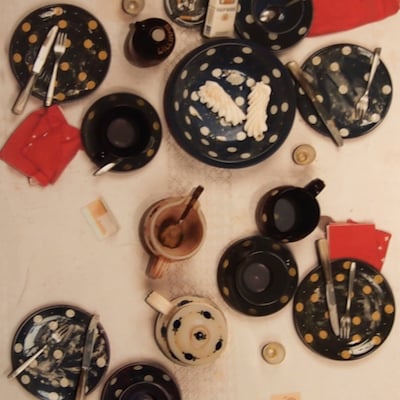
Nouveau Réalisme is an artistic movement founded in 1960 by art critic Pierre Restany and painter Yves Klein during a collective exhibition at a gallery in Milan. Restany wrote the original manifesto in April 1960, proclaiming the movement. In October of that year, nine artists, including Martial Raysse, Yves Klein, Daniel Spoerri, Jean Tinguely, Arman, Pierre Restany, and three Ultra-Lettrists—Jacques de la Villeglé, François Dufrêne, and Raymond Hains—signed the declaration. In 1961, the movement expanded to include Mimmo Rotella, Niki de Saint Phalle, Gérard Deschamps, and César. The movement emphasized a return to reality in art, often incorporating everyday objects and exploring the boundaries between art and life.
Show All
- Show All
- Established
- Discoveries
Show All
- Show All
Artworks Related to Nouveau Realism
Javacheff Christo
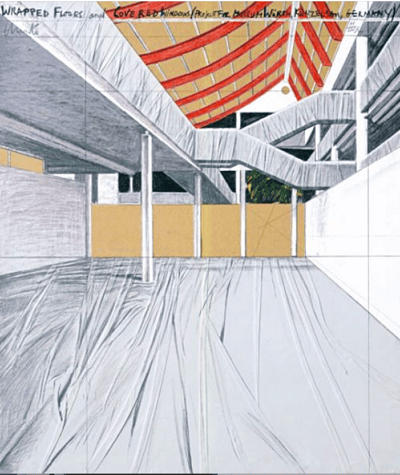
Wrapped Floors and Covered Windows, Museum Würth, 1994
Limited Edition Print
Collage
EUR 9,800

Javacheff Christo
Toronto Edition, The Umbrellas, Japan
Photography
Photograph
Currently Not Available
Bernar Venet
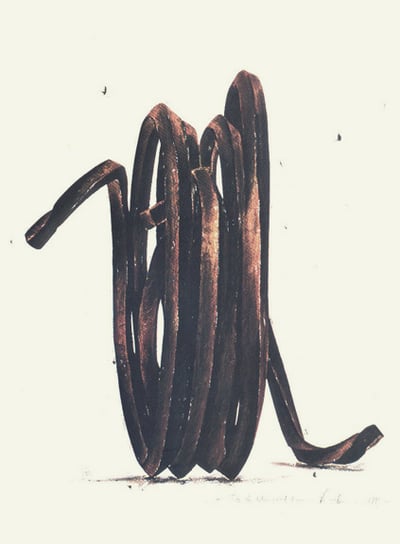
Two Undetermined Lines , 1990
Limited Edition Print
Mixed Media
USD 44,000
April Gornik
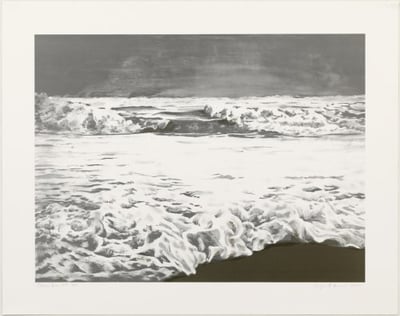
Storm sea, 2011
Limited Edition Print
Lithograph
Currently Not Available
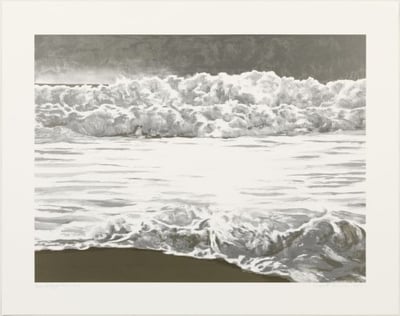
April Gornik
Sea edge, 2011
Limited Edition Print
Lithograph
Currently Not Available

Javacheff Christo
Wrapped Fountain, 2009
Limited Edition Print
Collage
EUR 8,000
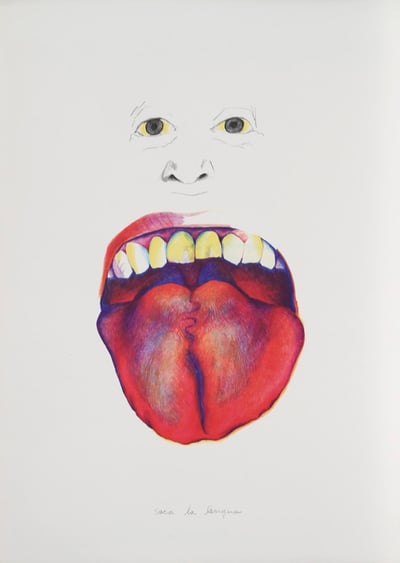
Marisol Escobar
Saca la lengua, 1973
Limited Edition Print
Silkscreen
EUR 1,700
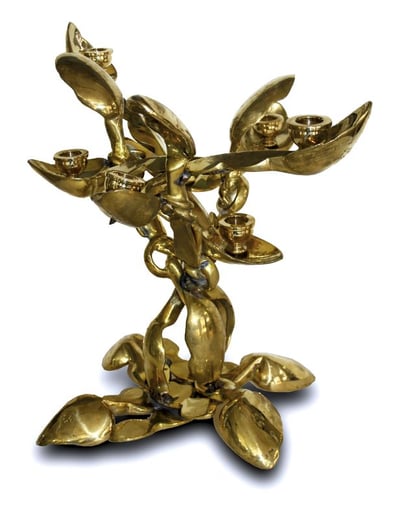
Fernandez Arman
Candélabre africain, 2003
Sculpture / Object
Bronze
EUR 6,000
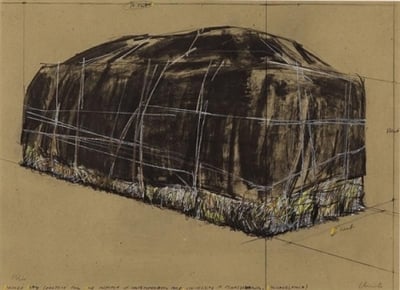
Javacheff Christo
Packed Hay, 1973
Limited Edition Print
Screen-print
EUR 3,800
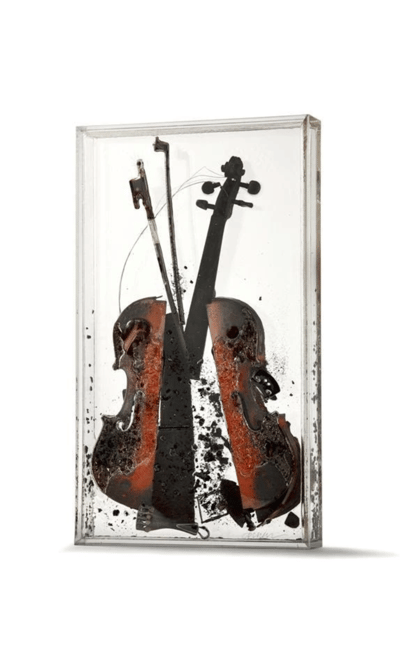
Fernandez Arman
Colere de Paganini / Paganini's Anger, 2004
Sculpture / Object
Mixed Media
EUR 14,500
Related Articles


A Lambda print is produced using a Lambda laser printer, a technology developed by the Durst company. The Durst Lambda was one of the first printers to use digital laser technology to create archival-quality prints. This process, also known as a Lambda c-type print, involves exposing photographic paper to laser light, resulting in high-quality, long-lasting images.
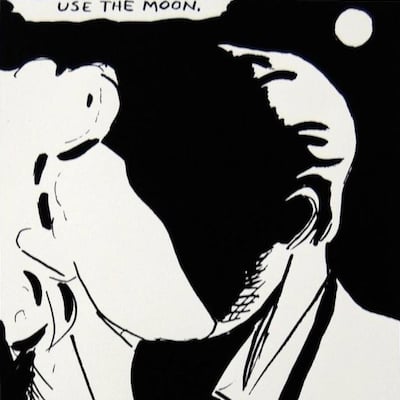
Comic strip art refers to artwork that utilizes the subject matter and commercial printing techniques found in comic strips. In the 1960s, a group of artists began creating paintings that incorporated Ben-Day dots—commonly used in comics and advertising—to produce highly graphic designs in bright colors, using traditional art media.
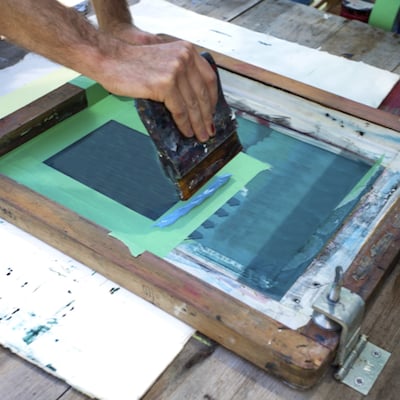
Serigraph is a printmaking process that uses silk screen techniques to create an image. The image is digitally separated into individual colors, each of which is assigned to a separate silk screen. These screens are then used to apply each color by hand, layer by layer, to replicate the original artwork, often based on an oil painting.
Can't find your Answer?
Thank you! Your question has been sent — we'll get back to you shortly.
