
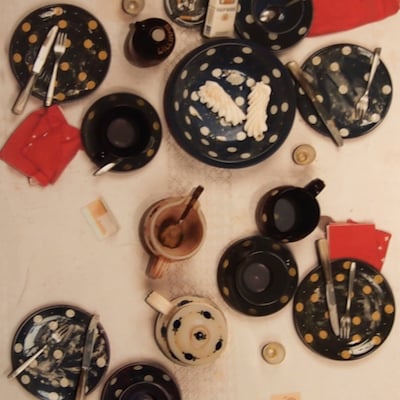
What is Nouveau Realism?
- Show All
- Established
- Discoveries
- Show All
Artworks Related to Nouveau Realism
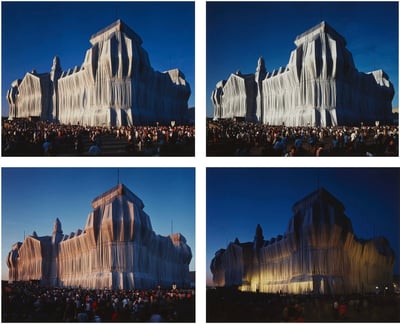
Javacheff Christo
Reichstag Mappe I, 4 Blatt + 2 Text, 1990–2000
Limited Edition Print
Photograph
EUR 17,000
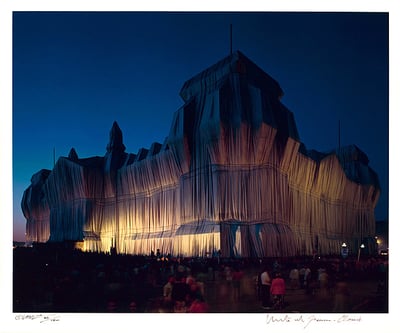
Javacheff Christo
Reichstag Mappe I, 22 Uhr, 1995
Limited Edition Print
Photograph
EUR 4,800

Javacheff Christo
Reichstag Mappe I, 16 Uhr, 1995
Limited Edition Print
Photograph
EUR 4,800

Gerhard Richter
Ulrike Meinhof , 2015
Limited Edition Print
Pigment print
Currently Not Available

Jean Tinguely
Chaos I, 1973
Limited Edition Print
Etching
Currently Not Available

Fernandez Arman
Cavaquinho, 2002
Sculpture / Object
Metal
EUR 5,970

Javacheff Christo
Over The Arkansas River, Project A, 1992/2017
Limited Edition Print
Lithograph
EUR 1,700
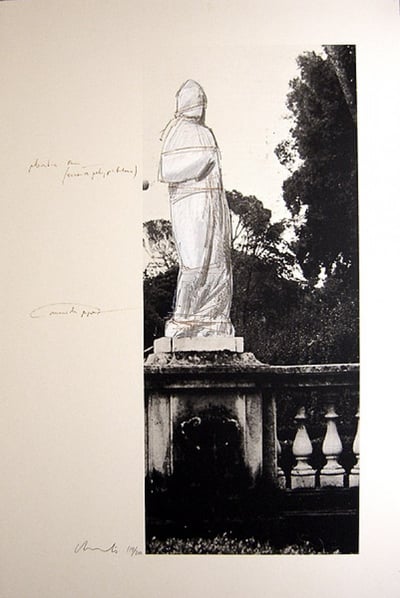
Javacheff Christo
Schweiz Verpackte Venus-Villa Borghese, 1974
Limited Edition Print
Lithograph
EUR 3,800
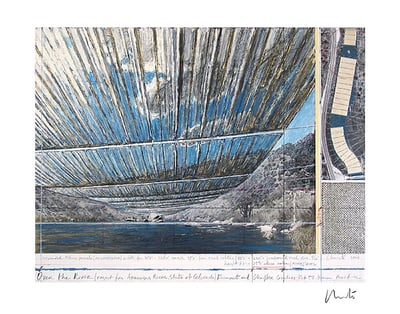
Javacheff Christo
Over The Arkansas River, Project U, 1992/2017
Limited Edition Print
Lithograph
EUR 1,700
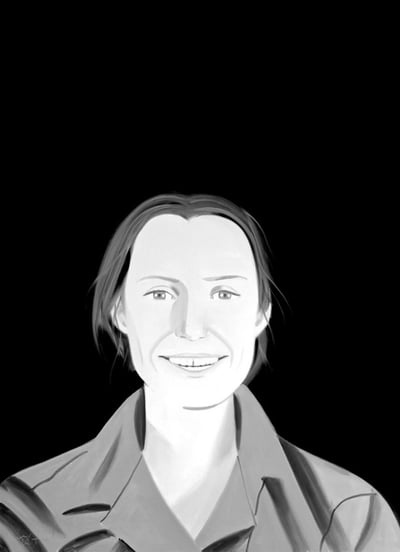
Alex Katz
Lauren, 2017
Limited Edition Print
Digital Print on paper
Inquire For Price
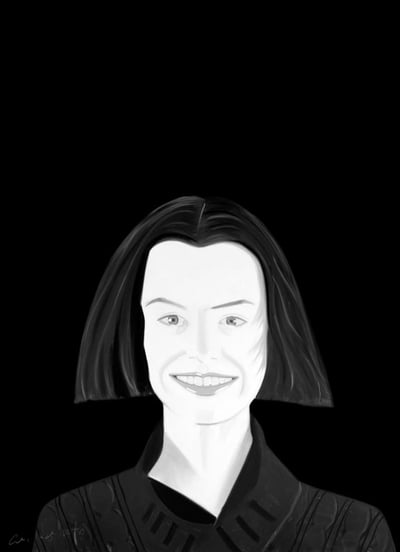
Alex Katz
Katryn, 2017
Limited Edition Print
Digital Print on paper
Inquire For Price

Alex Katz
Ursula, 2017
Limited Edition Print
Digital Print on paper
Inquire For Price

Fernandez Arman
Gothic, 1977
Limited Edition Print
Lithograph
Inquire For Price

Javacheff Christo
Wrapped fountain Spoleto, 1968-2002
Limited Edition Print
Silkscreen
EUR 2,500

Jean Tinguely
Roto Zaza No. 1, 1975
Limited Edition Print
Screen-print
Currently Not Available
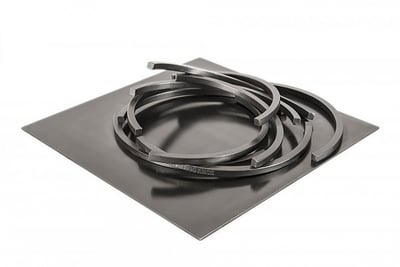
Bernar Venet
149.5º Arc X 10, 2015
Sculpture / Object
Mixed Media
Currently Not Available
Related Articles


Giclée printing is a digital technique for reproducing artwork using a high-resolution digital file and an inkjet printer with archival-quality inks. This process produces prints with exceptional color accuracy and detail, closely matching the original artwork.

Sand consists of loose grains of material primarily made up of minerals like quartz, mica, and feldspar, as well as small fragments of rocks. Sand paintings are created by pouring colored sand into intricate designs, often for cultural rituals or special celebrations. These designs can take many days to complete and are traditionally brushed away after the ceremony, emphasizing the impermanence of the artwork.

Matter painting is a technique that involves blending thick impasto paints with materials like cement, mud, sand, or shells. The term first emerged in the 1950s to describe the works of Belgian and Dutch painters who explored the physical properties of painting materials and the different ways paint could be manipulated. This approach emphasizes texture and the tactile qualities of the surface, creating a sculptural effect on the canvas.
Can't find your Answer?
Thank you! Your question has been sent — we'll get back to you shortly.
