
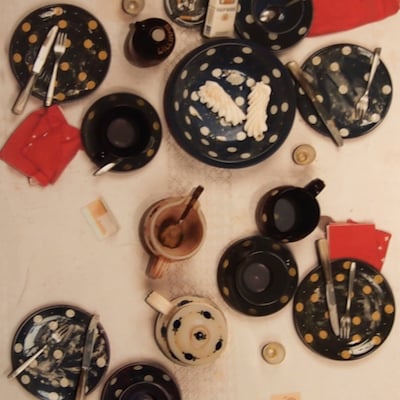
What is Nouveau Realism?
- Show All
- Established
- Discoveries
- Show All
Artworks Related to Nouveau Realism

Gerhard Richter
Schwarz-Rot-Gold IV, 2015
Limited Edition Print
Silkscreen
Currently Not Available
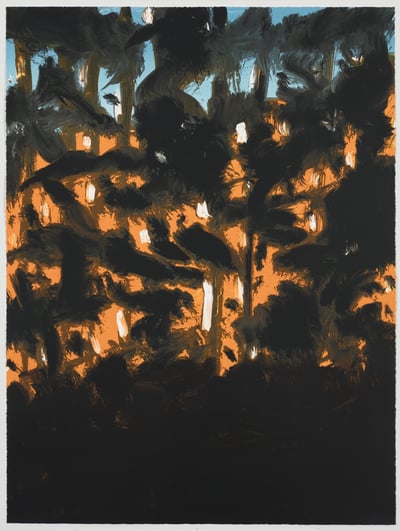
Alex Katz
Sunrise, 2021
Limited Edition Print
Mixed Media
Inquire For Price
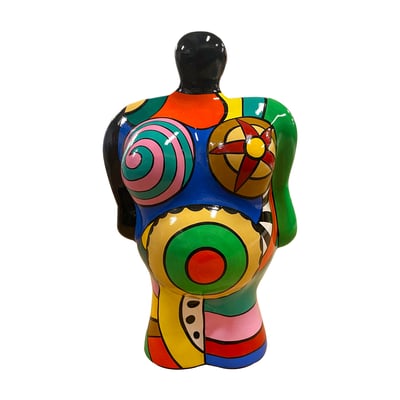
Niki De Saint Phalle
California Nana Vase, 2000
Sculpture / Object
Resin
Currently Not Available

Fernandez Arman
Trompettes découpées, 1989
Sculpture / Object
Bronze
EUR 9,500

Fernandez Arman
Venus au Violon, 1991
Sculpture / Object
Bronze
Currently Not Available

Javacheff Christo
The Umbrellas (Project for Japan and Western USA), 1987
Limited Edition Print
Offset Print
USD 1,350

Alex Katz
Profile of Vincent, 1974
Limited Edition Print
Etching
USD 1,900
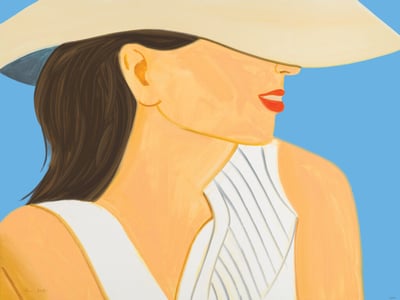
Alex Katz
Vivien with Hat, 2021
Limited Edition Print
Archival Print
Inquire For Price
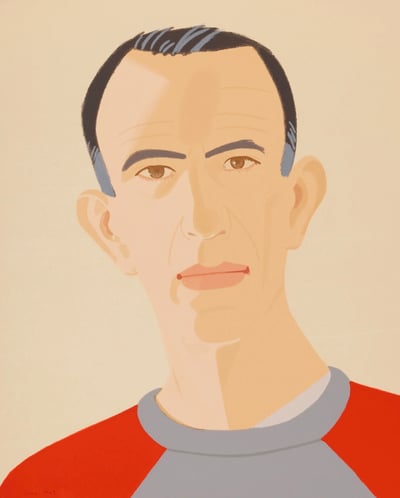
Alex Katz
Sweatshirt, 1990
Limited Edition Print
Screen-print
USD 9,700
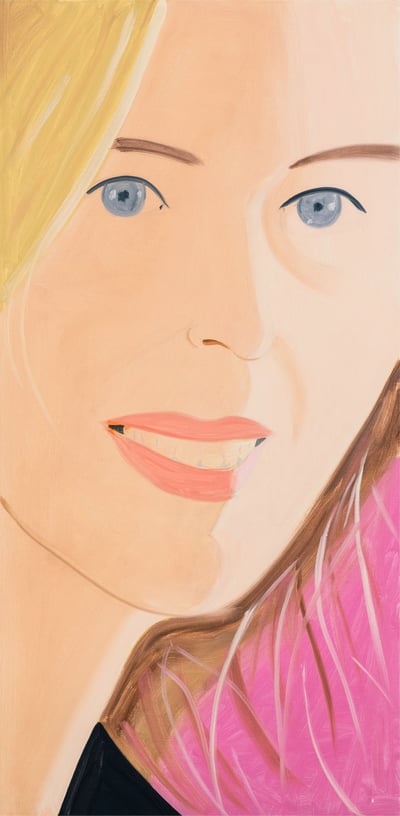
Alex Katz
Sasha I, 2016
Limited Edition Print
Serigraph
USD 16,600
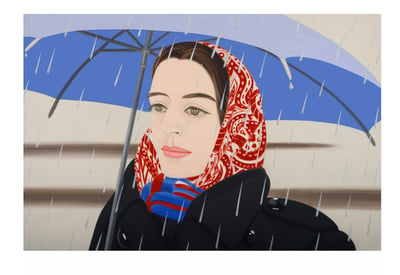
Alex Katz
Blue Umbrella, 2020
Limited Edition Print
Inkjet print
Currently Not Available
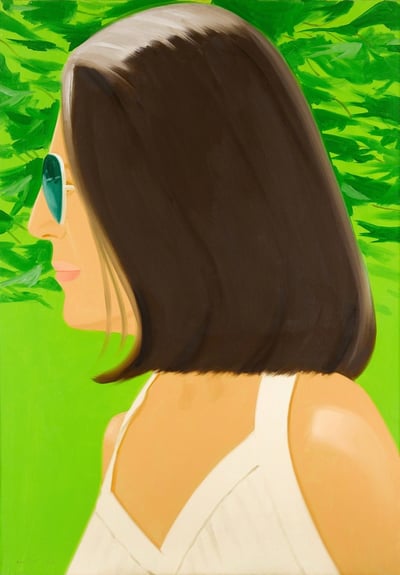
Alex Katz
Ada in Spain, 2018
Limited Edition Print
Archival Print
USD 34,750

Alex Katz
Coca-Cola Girl 8, 2019
Limited Edition Print
Screen-print
USD 14,500

Gerhard Richter
Cage: P19-3, 2020
Limited Edition Print
Mixed Media
GBP 13,500 - 17,000

Bernar Venet
Position of three major arcs of 265.5° each, 1981
Limited Edition Print
Mixed Media
EUR 3,700

Javacheff Christo
Reichstag Mappe II, Südfassade, 1995
Photography
Photograph
EUR 4,800
Related Articles


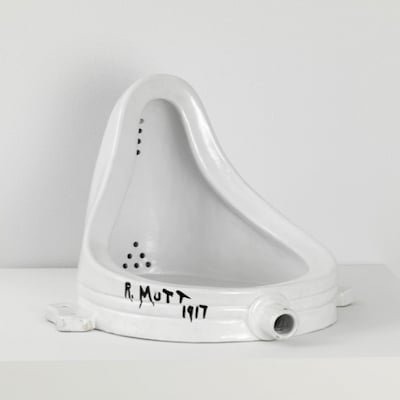
Anti-Art refers to artwork that challenges traditional definitions of art. The term is often attributed to artist Marcel Duchamp, who pioneered the use of readymades—everyday objects presented as art. These works defied conventional expectations that art should adhere to traditional or high art standards.

Avant-garde refers to innovative and experimental ideas in the arts that challenge established norms and conventions. Originating from the French term for advance guard, it describes both the movement and the artists who push the boundaries of creativity, often exploring new techniques, forms, and concepts. The avant-garde has been a driving force in various art movements throughout history, such as Dadaism, Surrealism, and Abstract Expressionism, continually reshaping the landscape of art and culture.

Plaster is a mixture of heat-treated powdered gypsum combined with water to create a workable material. It can be used to make solid sculptures, cast in molds, carved, modeled, or attached to other materials. Artists have used plaster for both working models and finished artworks for centuries due to its versatility.
Can't find your Answer?
Thank you! Your question has been sent — we'll get back to you shortly.
