
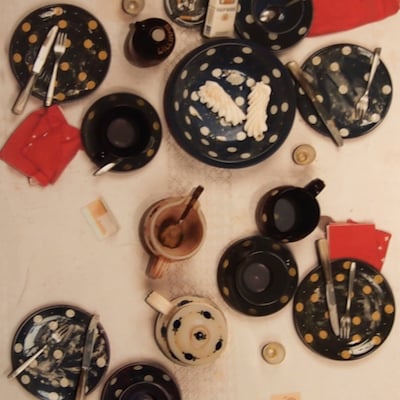
What is Nouveau Realism?
- Show All
- Established
- Discoveries
- Show All
Artworks Related to Nouveau Realism

Alex Katz
White Shirt (Eric), 2021
Limited Edition Print
Pigment print
EUR 5,400

Alex Katz
White Shirt (William), 2021
Limited Edition Print
Etching
USD 5,650
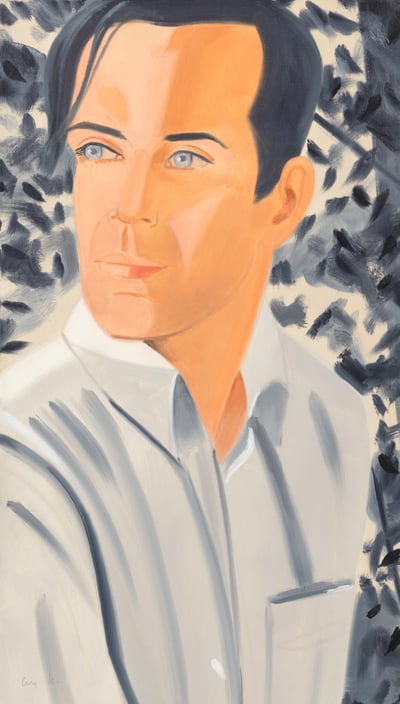
Alex Katz
White Shirt (Rob), 2021
Limited Edition Print
Etching
USD 5,650

Alex Katz
Purple Tulips 2, 2021
Limited Edition Print
Pigment print
USD 17,750

Alex Katz
Purple Tulips I, 2021
Limited Edition Print
Pigment print
USD 17,750
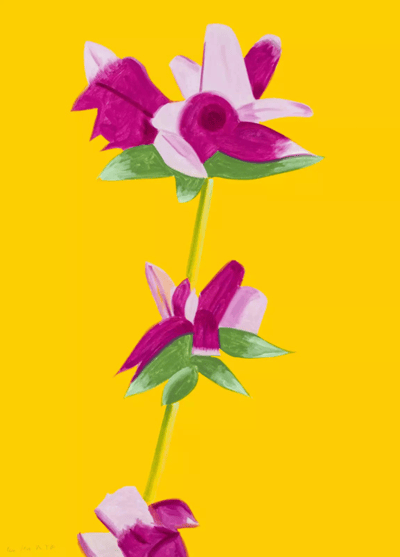
Alex Katz
Azaleas on Yellow, 2021
Limited Edition Print
Pigment print
USD 18,300

Alex Katz
Vivien in White Coat, 2021
Limited Edition Print
Silkscreen
USD 21,500

Alex Katz
Julia and Alexandra, 1983
Limited Edition Print
Screen-print
USD 16,750
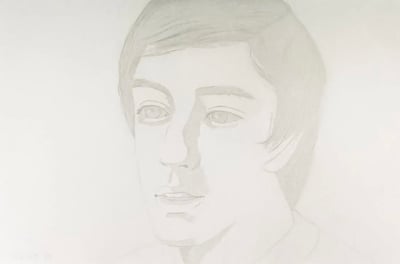
Alex Katz
Vincent with Open Mouth, 1974
Limited Edition Print
Etching and Aquatint
Inquire For Price

Fernandez Arman
Untitled (Allegro Vivaldi), 1978
Limited Edition Print
Silkscreen
EUR 1,290

Javacheff Christo
Wrapped Walkways Detail WW-451
Limited Edition Print
Photograph
EUR 11,000
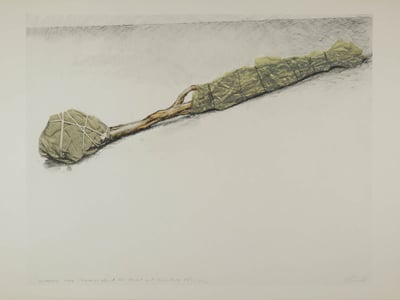
Javacheff Christo
Wrapped Tree
Limited Edition Print
Screen-print
EUR 3,800

Javacheff Christo
Reichstag/Berlin Vormittag, Wrapped, 1995
Limited Edition Print
Photograph
EUR 9,500

Javacheff Christo
Wrapped building, project for 1 Times Square, New York, 1985
Limited Edition Print
Mixed Media
Currently Not Available
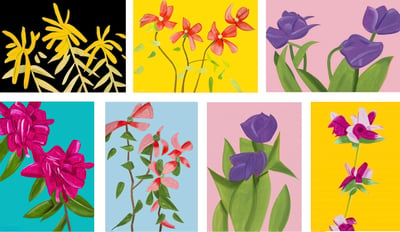
Alex Katz
The flowers portfolio (7 works), 2021
Limited Edition Print
Archival Print
USD 100,000 - 120,000

Alex Katz
Reflection 2, 2021
Limited Edition Print
Archival Print
USD 16,500
Related Articles


Junk art is a form of art that demonstrates how any material or object can be used to create a wide range of paintings, sculptures, installations, and assemblages. Many Junk Art pieces are made using ordinary materials found in everyday life. By applying artistic knowledge and skills, artists can transform these common objects into remarkable works of art.
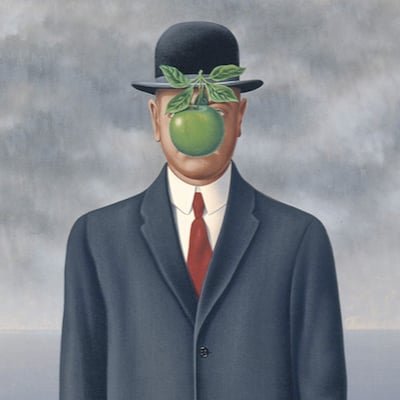
Surrealism began in the 1920s as an art and literary movement with the goal of revealing the unconscious mind and unleashing the imagination by exploring unusual and dream-like imagery. Influenced by Sigmund Freud’s theories of psychoanalysis, Surrealist artists and writers sought to bring the unconscious into rational life, blurring the lines between reality and dreams. The movement aimed to challenge conventional perceptions and express the irrational aspects of the human experience.

A C-type print, also known as a chromogenic print, is a photographic print made from a color negative or slide. The print is created on chromogenic paper, which contains three emulsion layers, each sensitized to a different primary color. After exposure, the paper is processed in a series of chemical baths, where each layer reacts to the chemicals to produce the final image. C-type prints are known for their rich color depth and are widely used in fine art and commercial photography.
Can't find your Answer?
Thank you! Your question has been sent — we'll get back to you shortly.
