
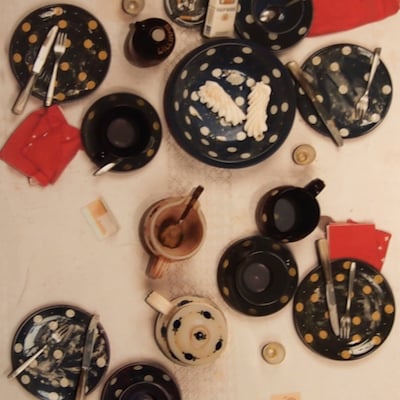
What is Nouveau Realism?
- Show All
- Established
- Discoveries
- Show All
Artworks Related to Nouveau Realism

Gerhard Richter
Eis (Ice), 2021
Limited Edition Print
Mixed Media
EUR 2,500 - 3,500

Gerhard Richter
Himalaya, 1968 / 2021
Limited Edition Print
Mixed Media
EUR 2,500
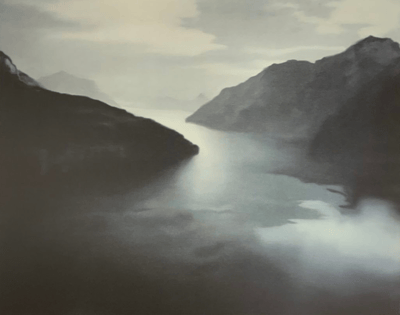
Gerhard Richter
Vierwaldstättersee, 1969 / 2021
Limited Edition Print
Mixed Media
EUR 2,800
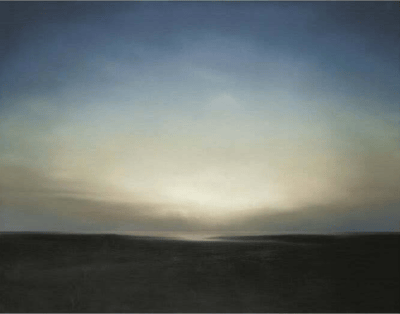
Gerhard Richter
Abendstimmung (Evening Calm), 2021
Limited Edition Print
Mixed Media
EUR 2,800

Alex Katz
Harbor, 2006
Limited Edition Print
Aquatint
EUR 6,750
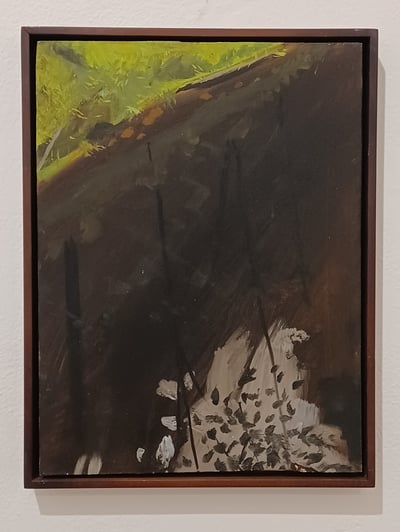
Alex Katz
Study for black brook IV, 1989
Painting
Oil on board
Inquire For Price
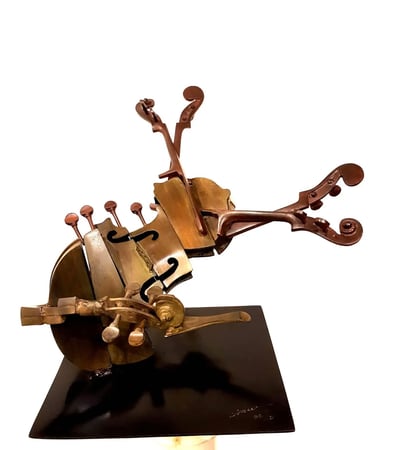
Fernandez Arman
Violin, 1999
Sculpture / Object
Bronze
EUR 25,000 - 35,000

Cesar Baldaccini
Friendship, C.1970
Drawing / Watercolor
Watercolor
EUR 4,950

Fernandez Arman
Accumulation, Tee, 1994
Sculpture / Object
Assemblage
Currently Not Available
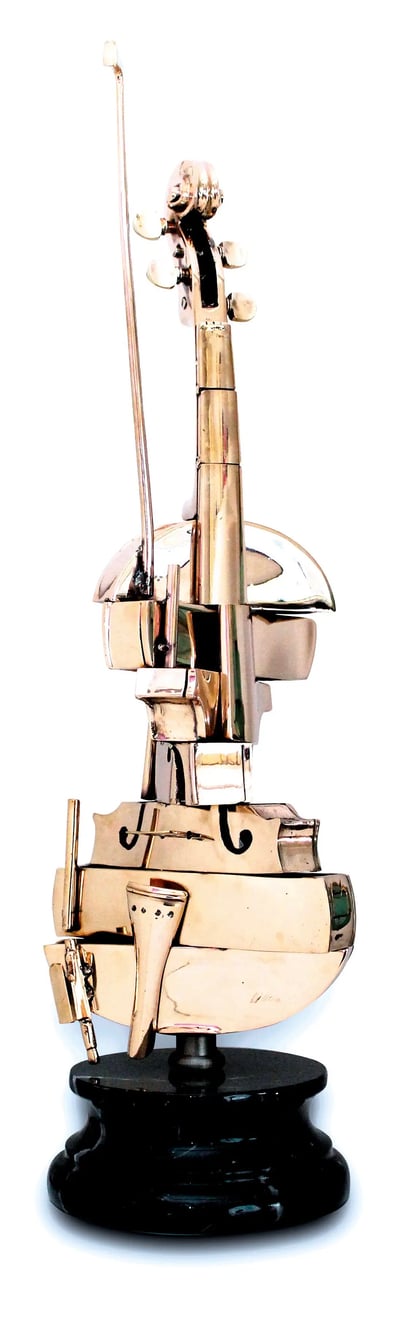
Fernandez Arman
Violon Spiralé, 2001-2002
Sculpture / Object
Bronze
EUR 17,000 - 20,000

Alex Katz
Wildflowers in Vase, 2008
Limited Edition Print
Aquatint
EUR 4,870
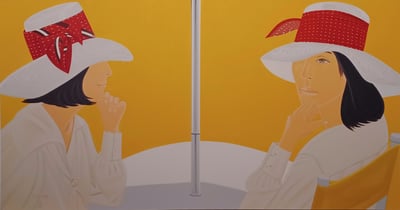
Alex Katz
The Red Band, 2017
Limited Edition Print
Silkscreen
EUR 30,000
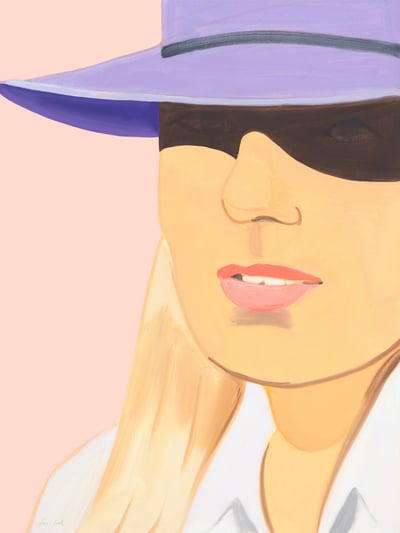
Alex Katz
Sunrise 1, 2022
Limited Edition Print
Pigment print
EUR 21,300
Alex Katz
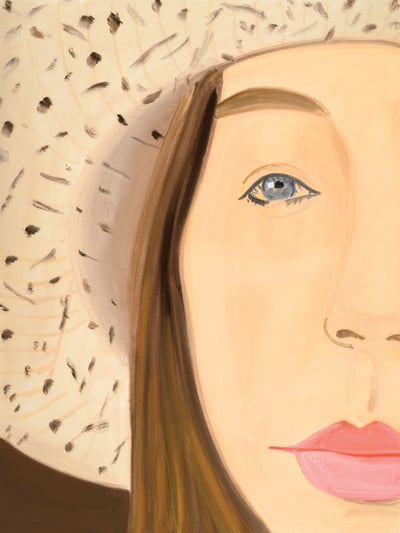
Straw Hat 2, 2022
Limited Edition Print
Pigment print
EUR 25,900
Alex Katz
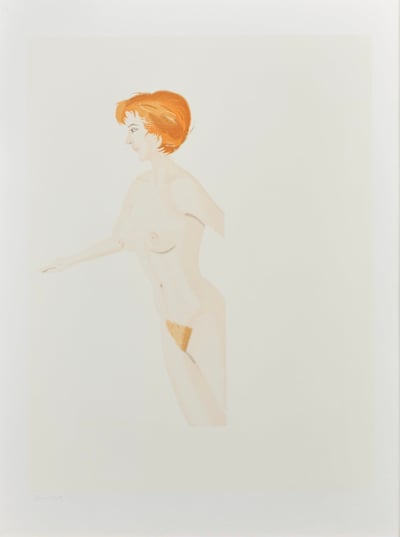
Snow Leopard, 1991
Limited Edition Print
Mixed Media
EUR 6,600
Alex Katz
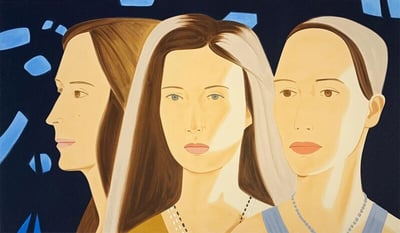
Trio, 2017
Limited Edition Print
Screen-print
EUR 29,500
Related Articles


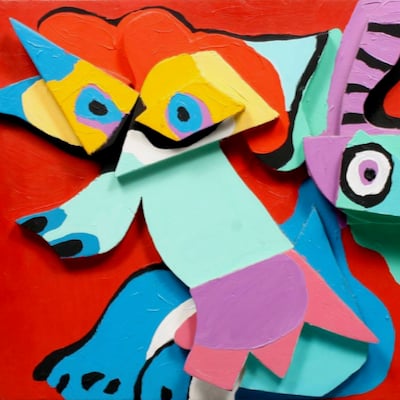
CoBrA stands for Copenhagen, Brussels, and Amsterdam; the group was formed with a desire to break away from the existing art movements of the time. Their critique of Western society led them to experiment and evolve into a significant international movement. CoBrA was founded on November 8, 1948, at the Notre Dame Café in Paris, where its manifesto was signed by Karel Appel, Joseph Noiret, Corneille, Christian Dotremont, Constant, and Asger Jorn. The group was united by a shared commitment to freedom in both form and color, and their work emphasized experimentation and spontaneity.

Constructivism is an architectural and artistic philosophy of Russian origin that emerged as a rejection of the idea of autonomous art. The movement advocated for art to serve practical social purposes. Since its inception in 1919, Constructivism has evolved and significantly impacted 20th-century art movements, influencing major trends such as De Stijl and Bauhaus.

Lithography is a printing method based on the principle that water and oil do not mix. It can be used to print artwork or text onto paper or other suitable materials. Traditionally, an image was drawn with wax, fat, or oil onto a lithographic limestone surface or plate. Today, metal plates and other surfaces are also used in lithographic printing.
Can't find your Answer?
Thank you! Your question has been sent — we'll get back to you shortly.
