
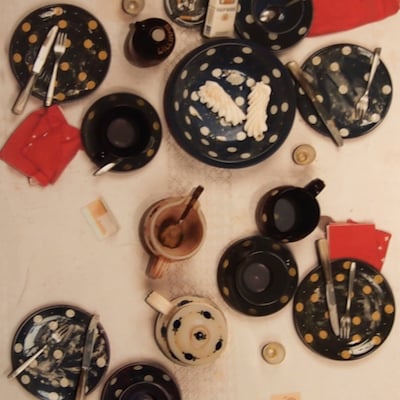
What is Nouveau Realism?
- Show All
- Established
- Discoveries
- Show All
Artworks Related to Nouveau Realism

Javacheff Christo
Over The River Project VI, 1992
Limited Edition Print
Offset Print
USD 1,400

Javacheff Christo
The Umbrellas, 1991
Limited Edition Print
Offset Print
USD 1,250

April Gornik
Remember the Sabbath Day, 1987
Limited Edition Print
Lithograph
Currently Not Available
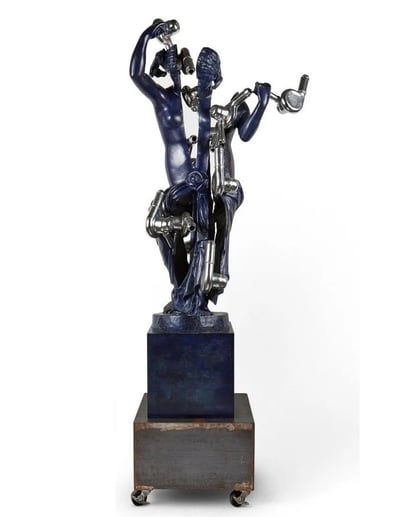
Fernandez Arman
Venus Hairspray, 1996
Sculpture / Object
Bronze
USD 28,000

Alex Katz
Homage to Degas, 2020
Limited Edition Print
Archival Print
USD 14,250
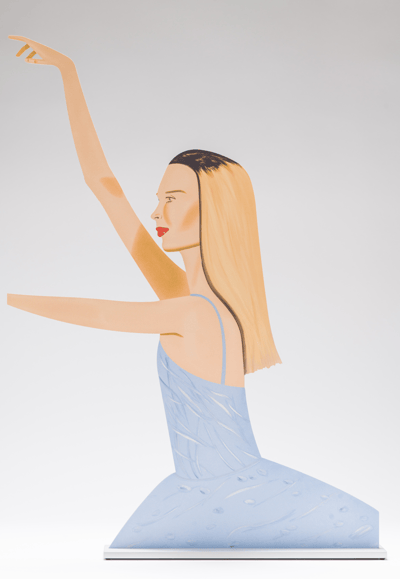
Alex Katz
Dancer 2 (Cutout), 2020
Sculpture / Object
Mixed Media
USD 23,900
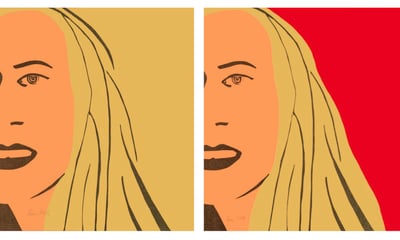
Alex Katz
Ariel 4, 5 (Suite), 2021
Limited Edition Print
Woodcut
USD 11,900
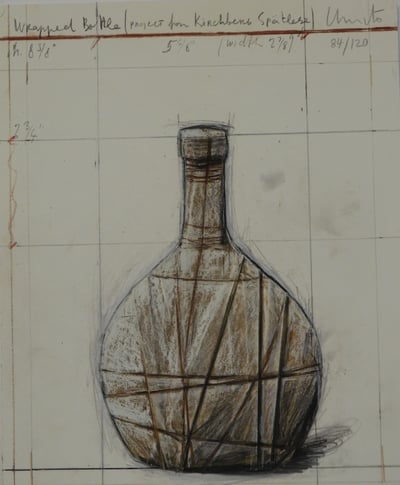
Javacheff Christo
Wrapped bottle, 2007
Limited Edition Print
Mixed Media
EUR 7,850
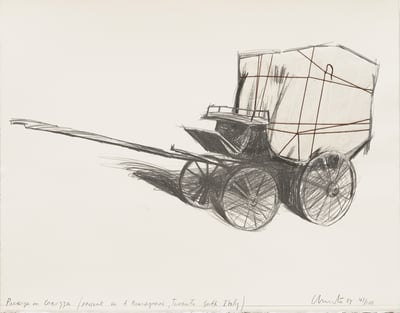
Javacheff Christo
Package on Carrozza, 1984
Limited Edition Print
Mixed Media
EUR 13,675
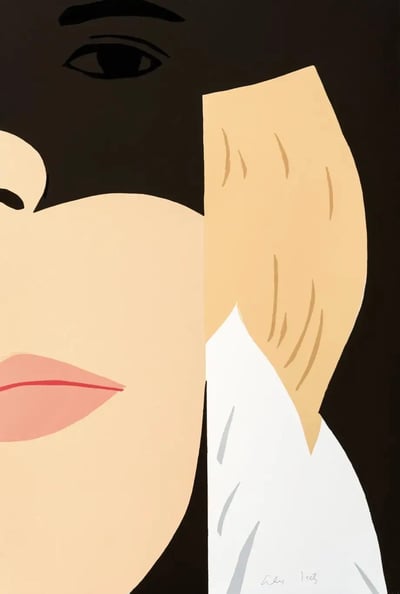
Alex Katz
Sunrise 2, 2022
Limited Edition Print
Woodcut
Inquire For Price
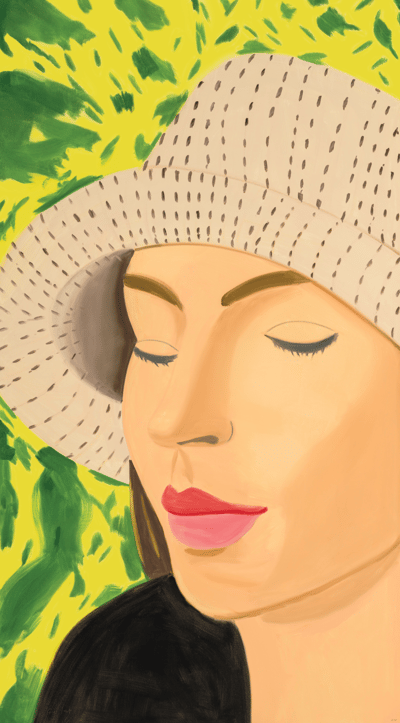
Alex Katz
Straw Hat 3, 2021
Limited Edition Print
Archival Print
USD 25,000 - 35,000
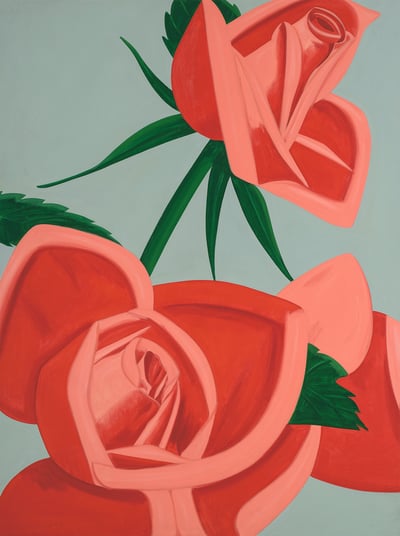
Alex Katz
Rosebud, 2019
Limited Edition Print
Archival Print
USD 20,000 - 30,000

Alex Katz
Orange Hat, 1990
Limited Edition Print
Screen-print
Currently Not Available
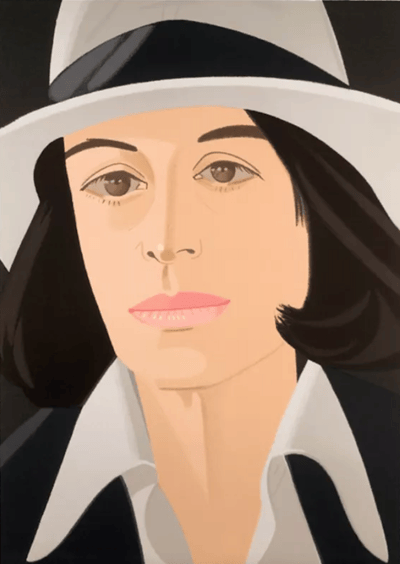
Alex Katz
White Hat, 1990
Limited Edition Print
Silkscreen
USD 29,250
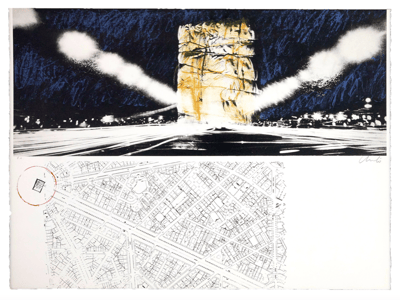
Javacheff Christo
Project for the Arc de Triomphe, Paris , 1970
Limited Edition Print
Lithograph
Currently Not Available

Alex Katz
White Shirt (Vincent 2) , 2021
Limited Edition Print
Pigment print
EUR 5,400
Related Articles


Crayon is a French word that means pencil. In art, a crayon is a stick made of colored wax, chalk, charcoal, or clay used for drawing and coloring. Crayons are typically made from paraffin wax, which is derived from petroleum, coal, or wood. Types of crayons include wax crayons, pastel crayons, and oil pastels.

Massurrealism is a portmanteau word coined by American artist James Seehafer in 1992. He observed a trend among postmodern artists who blended themes and aesthetic styles with mass media, including elements of pop art. Massurrealism is a development of surrealism that emphasizes the technological effects on the imagery of contemporary surrealism. The key difference between massurrealism and surrealism is that the latter was founded in Europe at the beginning of the 20th century, while massurrealism is rooted in the influence of modern technology and media.
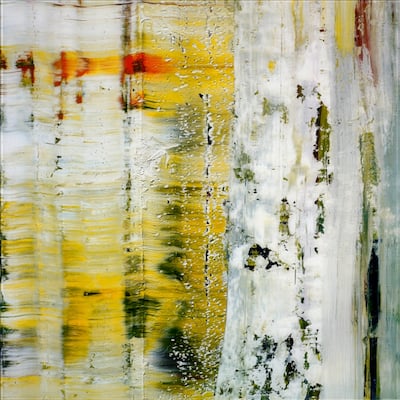
Capitalist Realism is a German form of political pop art that emerged in Cold War-era Berlin in 1963. It sought to challenge the dominance of American pop art in the Western world. The movement blended the ideologies of both pop art and socialist realism, offering a critique of consumer culture and political power.
Can't find your Answer?
Thank you! Your question has been sent — we'll get back to you shortly.
