
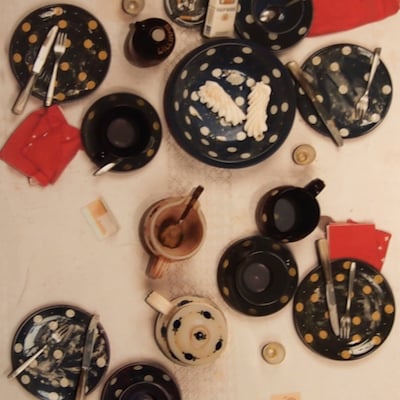
What is Nouveau Realism?
- Show All
- Established
- Discoveries
- Show All
Artworks Related to Nouveau Realism

Alex Katz
Halsey, 2021
Limited Edition Print
Archival Print
USD 29,000

Alex Katz
Departure (Ada), 2017
Sculpture / Object
Mixed Media
USD 23,000 - 30,000

Alex Katz
The Swimmer, 1974
Limited Edition Print
Aquatint
USD 4,500 - 7,000
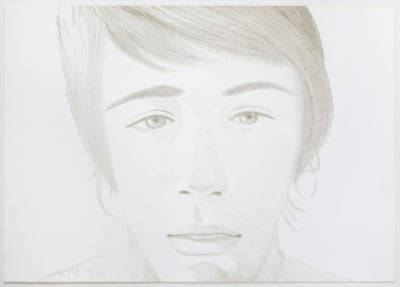
Alex Katz
Vincent, 1972
Limited Edition Print
Lithograph
USD 1,650
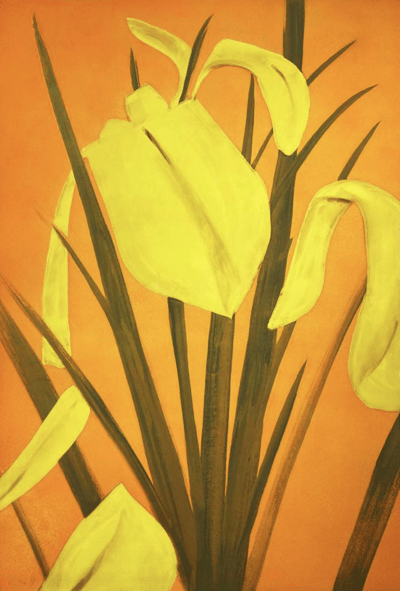
Alex Katz
Yellow Flags 4, 2020
Limited Edition Print
Mixed Media
USD 22,000 - 25,000

Alex Katz
Sophie, 2012
Limited Edition Print
Silkscreen
USD 20,000 - 25,000

Alex Katz
Vivien, 2012
Limited Edition Print
Silkscreen
USD 20,000

Alex Katz
Black Dress 7 (Carmen), 2018
Sculpture / Object
Mixed Media
USD 18,900

Alex Katz
Ada x 2, 2020
Limited Edition Print
Archival Print
USD 17,800

Alex Katz
Susan, 1976
Limited Edition Print
Screen-print
USD 8,950

Fernandez Arman
Candy, 1970
Sculpture / Object
Assemblage
EUR 14,850

Alex Katz
Purple Irises on White, 2023
Limited Edition Print
Archival Print
USD 7,900
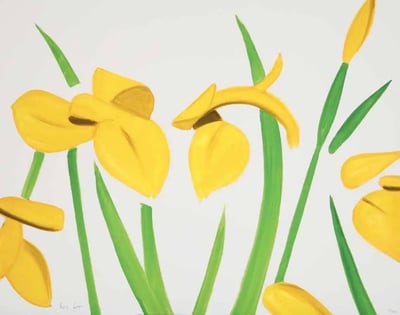
Alex Katz
Yellow Flags on White, 2023
Limited Edition Print
Archival Print
Inquire For Price

Alex Katz
Yellow Flags on Brown, 2023
Limited Edition Print
Archival Print
USD 7,900

Alex Katz
Purple Irises on Red, 2023
Limited Edition Print
Archival Print
USD 12,000
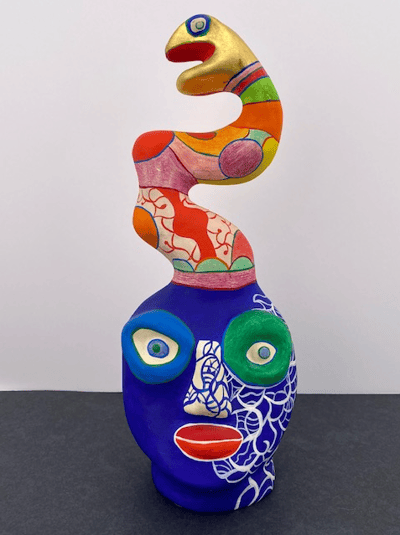
Niki De Saint Phalle
Kundalini, 1995
Sculpture / Object
Resin
Currently Not Available
Related Articles


Collage is a production art technique commonly used in visual arts where a new artwork is created by assembling various materials. These materials can include ribbons, newspaper and magazine clippings, pieces of handmade or colored paper, photographs, text fragments, and other objects, all combined to form a cohesive whole.
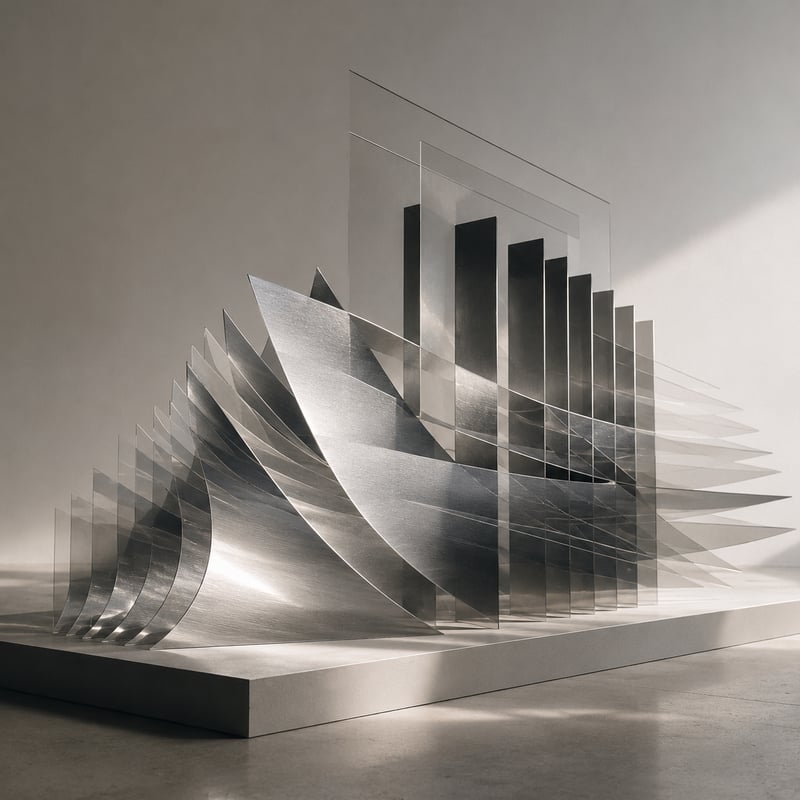
Futurism was an early 20th-century art movement that sought to capture the energy and dynamism of the modern world. The movement was launched by Italian poet Filippo Tommaso Marinetti, who published the Manifesto of Futurism on February 20, 1909. Futurism denounced the past and passionately embraced technology, industry, and the speed of modern life.
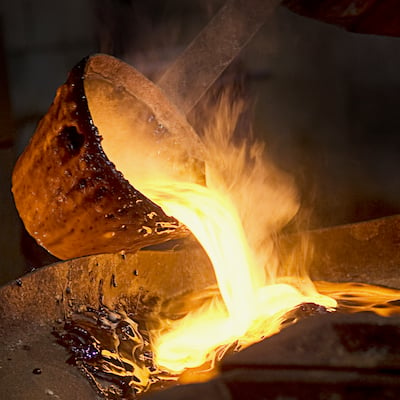
Metal has been traditionally used in art for creating sculptures, jewelry, masks, adornments, tools, and weapons, often featuring decorative elements. Common types of metal used include bronze, brass, cast iron, gray iron, copper, gold, tin, wrought iron, and silver.
Can't find your Answer?
Thank you! Your question has been sent — we'll get back to you shortly.
