
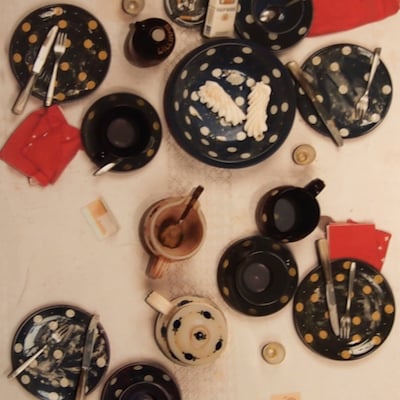
What is Nouveau Realism?
- Show All
- Established
- Discoveries
- Show All
Artworks Related to Nouveau Realism

Alex Katz
Yellow Flags 3, 2020
Limited Edition Print
Archival Print
USD 18,900

Alex Katz
Yellow flags 2, 2018
Limited Edition Print
Archival Print
USD 18,900
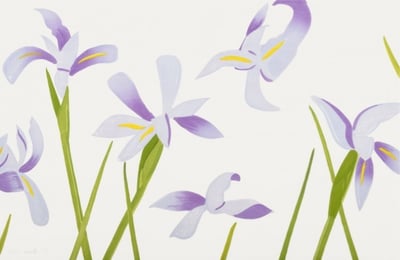
Alex Katz
Blue Flags, 2014
Limited Edition Print
Woodblock printing
USD 18,900

Alex Katz
Black Dress 3 (Oona), 2018
Sculpture / Object
Mixed Media
USD 17,750

Alex Katz
Black Dress 2 (Cecily) - cutout, 2018
Sculpture / Object
Mixed Media
USD 17,750

Alex Katz
Yellow Flags, 2013
Limited Edition Print
Woodcut
USD 18,000

Alex Katz
Red house, 2016
Limited Edition Print
Pigment print
USD 18,000

Alex Katz
Coca-Cola Girl 11, 2021
Limited Edition Print
Woodcut
USD 17,750

Alex Katz
Coca-Cola Girl 10, 2021
Limited Edition Print
Woodcut
USD 17,750

Alex Katz
Diana, 2014
Limited Edition Print
Linocut
USD 16,500

Alex Katz
December (Ada), 2020
Limited Edition Print
Archival Print
USD 15,400

Alex Katz
Sarah, 2011
Limited Edition Print
Screen-print
USD 14,250

Alex Katz
Twilight, 2020
Limited Edition Print
Archival Print
USD 7,200

Alex Katz
Sunset 3, 2020
Limited Edition Print
Archival Print
Inquire For Price
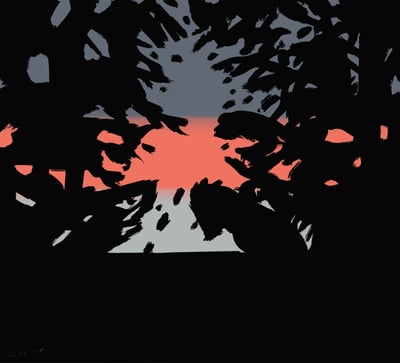
Alex Katz
Sunset 2, 2020
Limited Edition Print
Archival Print
Inquire For Price

Alex Katz
Sunrise (orange-blue), 2020
Limited Edition Print
Archival Print
Inquire For Price
Related Articles


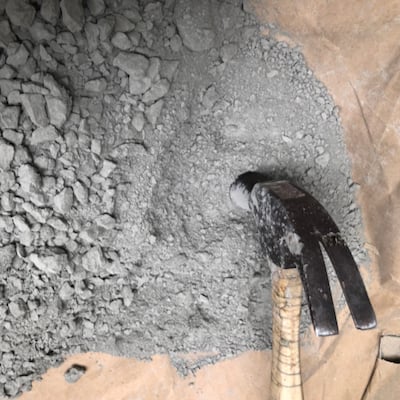
Cement refers to a variety of mixtures, typically made from clay, limestone, water, sand, and gravel, which form concrete used in construction. The term to cement also means to join or unite materials. In art, cement can refer to the process of securely gluing or bonding elements together, often used in sculptural work or mixed media.
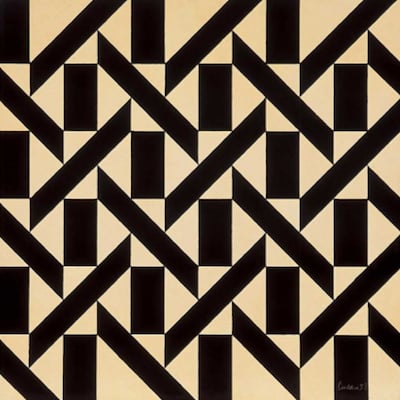
Grupo Ruptura was an organization formed in Brazil by artists who sought to break away from traditional naturalist painting in favor of geometric abstract art. In the early 1950s, the group published the Ruptura Manifesto, advocating for new art for a new country. The manifesto emphasized a departure from the past and a commitment to innovation, aligning with the modernist vision of Brazil as a forward-looking nation.
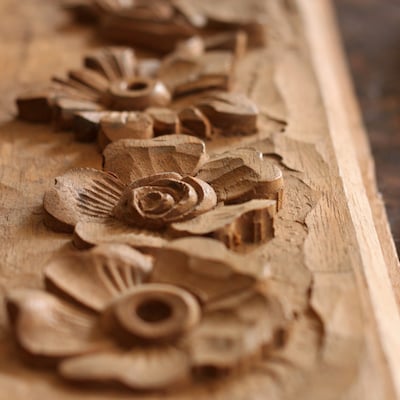
Wood is one of the most ancient and versatile materials used in creating art. It has served as a base for paintings, brush handles, pens, and pencils, as well as for easels, wood engraving, woodcut, woodblock printing, and sculpting. Various types of wood, such as oak, maple, and pine, are commonly used in these artistic applications.
Can't find your Answer?
Thank you! Your question has been sent — we'll get back to you shortly.
