
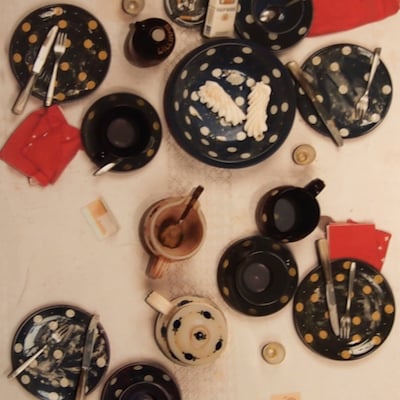
What is Nouveau Realism?
- Show All
- Established
- Discoveries
- Show All
Artworks Related to Nouveau Realism

Javacheff Christo
The Gates II, 2005
Limited Edition Print
Photograph
EUR 8,900

Javacheff Christo
The Gates I, 2005
Limited Edition Print
Photograph
EUR 8,900

Javacheff Christo
The Gates IV, 2005
Photography
Photograph
EUR 4,500

Javacheff Christo
The Gates III, 2005
Photography
Photograph
Currently Not Available

Javacheff Christo
The Gates längs und quer M2, 2005
Photography
Photograph
EUR 6,000

Javacheff Christo
The Gates Lange Reihe M1, 2005
Photography
Photograph
EUR 6,000
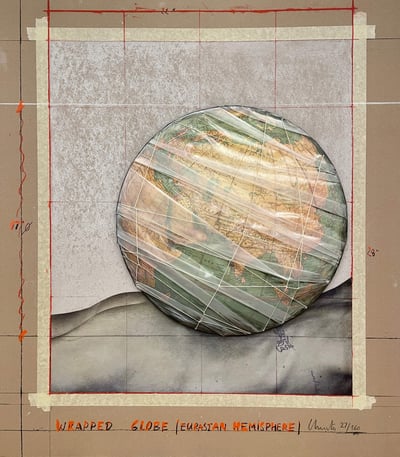
Javacheff Christo
Wrapped Globe, 2020
Limited Edition Print
Collage
Inquire For Price

Javacheff Christo
Wrapped Reichstag/Berlin Nachmittag, 1995
Limited Edition Print
Photograph
EUR 10,000
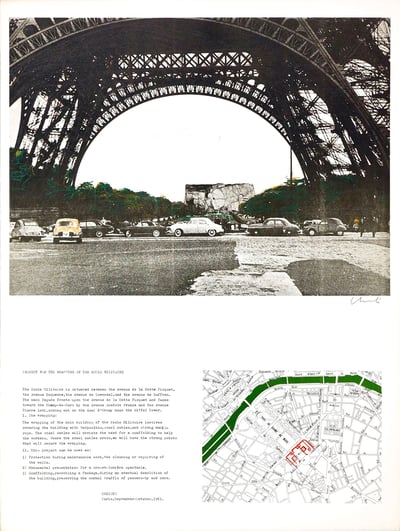
Javacheff Christo
Project Ecole Militaire, Paris, 1961
Limited Edition Print
Lithograph
EUR 3,800

Javacheff Christo
Kunsthalle Bern, 1972
Limited Edition Print
Mixed Media
EUR 18,000

Alex Katz
Goldenrod from Flowers Portfolio, 2021
Limited Edition Print
Archival Print
USD 13,150

Alex Katz
Kate, 2006
Limited Edition Print
Cyanotype
USD 6,750

Niki De Saint Phalle
Daddy, 1973
Limited Edition Print
Screen-print
USD 2,350

Alex Katz
Coca-Cola girl 6, 2019
Limited Edition Print
Screen-print
USD 20,000 - 25,000

Alex Katz
Coca-Cola girl 5, 2019
Limited Edition Print
Screen-print
USD 20,000 - 25,000
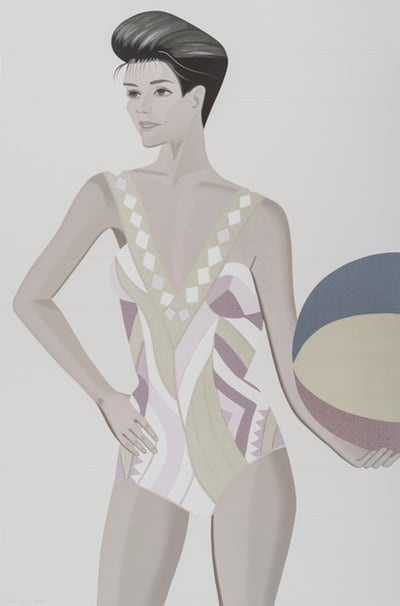
Alex Katz
Chance 3 (Darinka), 2016
Limited Edition Print
Silkscreen
USD 20,000 - 25,000
Related Articles


Emulation is the process of recreating digital art to ensure it remains accessible and functional, even when the original technology used to create it becomes obsolete. This is done by using newer technology to replicate the experience and functionality of the original artwork, preserving art made with early cameras, software, and computers.
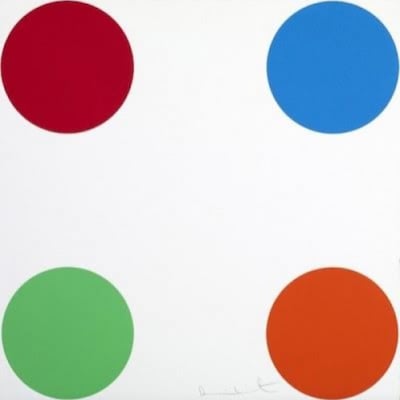
Young British Artists (YBAs), also known as Britart or Brit artists, refers to a group of artists who began exhibiting together in London in 1988. Most of them graduated from the BA Fine Arts course at Goldsmiths in the late 1980s. The YBAs are known for their wild lifestyles, use of unconventional materials, and a combination of entrepreneurial and oppositional attitudes. They dominated the British art scene in the 1990s and gained significant media attention. Many of these artists were initially supported and collected by Charles Saatchi, a key figure in their rise to prominence.
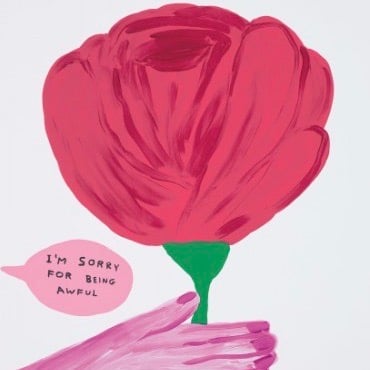
Naïve art describes a style of artwork that is simple and unsophisticated, often created by artists without formal training in an academy or art school. The style is characterized by a lack of advanced techniques, giving it a childlike appearance. Naïve art often features bright colors, simple shapes, and a straightforward approach to subject matter, reflecting the artist's untrained perspective.
Can't find your Answer?
Thank you! Your question has been sent — we'll get back to you shortly.
