
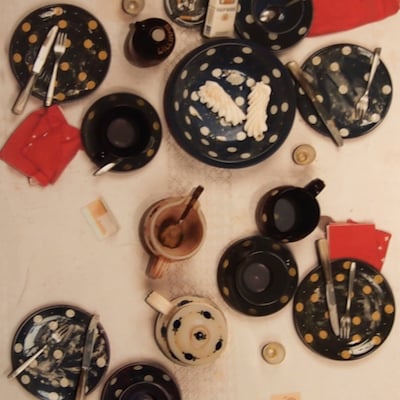
What is Nouveau Realism?
- Show All
- Established
- Discoveries
- Show All
Artworks Related to Nouveau Realism
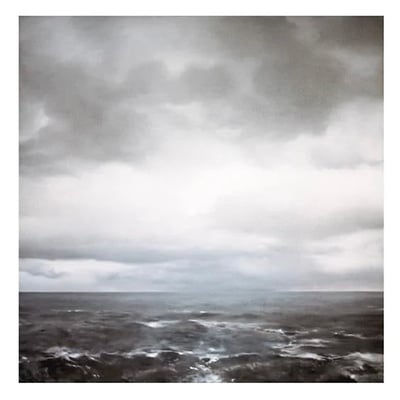
Gerhard Richter
Seestück (bewölkt), 1969/2022
Limited Edition Print
Digital Print on paper
GBP 4,150

Gerhard Richter
Tiger, 1965/2022
Limited Edition Print
Offset Print
GBP 3,180

Gerhard Richter
Motorboot, 1965/2022
Limited Edition Print
Offset Print
GBP 5,300

Alex Katz
Ariel 1, 2021
Limited Edition Print
Silkscreen
Inquire For Price

Gerhard Richter
Küchenstuhl, 1965/2022
Limited Edition Print
Offset Print
GBP 2,100

Gerhard Richter
Seestucke (Sea View), 2021
Limited Edition Print
Offset Print
GBP 3,700

Gerhard Richter
Wolke (Cloud), 2021
Limited Edition Print
Offset Print
EUR 2,800

Alex Katz
Homage to Monet (Triptych), 2019
Limited Edition Print
Archival Print
EUR 16,350

Alex Katz
Eyes Open Eyes Closed, 2017
Limited Edition Print
Silkscreen
Inquire For Price
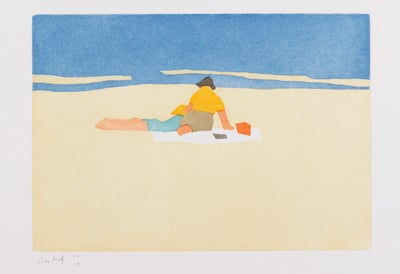
Alex Katz
Figures on beach, 2008
Limited Edition Print
Aquatint
EUR 5,000

Alex Katz
House and Barn, 1954/2008
Limited Edition Print
Aquatint
EUR 5,000

Alex Katz
Sunset Cove, 2008
Limited Edition Print
Aquatint
EUR 5,000

Alex Katz
Untitled (Flying Carpet), 2008
Limited Edition Print
Aquatint
EUR 5,000

Alex Katz
Red Sails, 2008
Limited Edition Print
Aquatint
EUR 5,000
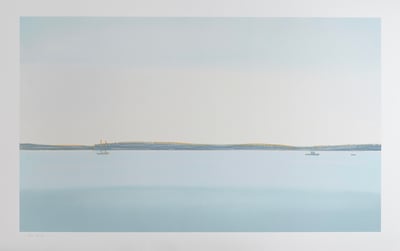
Alex Katz
Landscape, 2017
Limited Edition Print
Silkscreen
EUR 10,150

Javacheff Christo
Running Fence Sunset RF-352, 1976
Limited Edition Print
Photograph
EUR 11,000
Related Articles


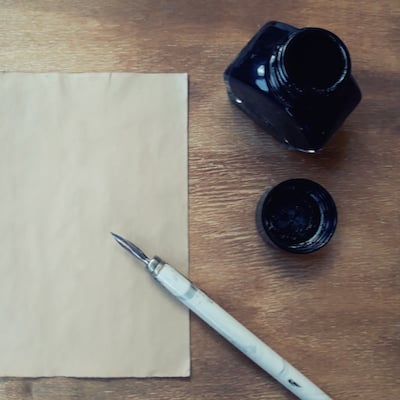
Pen and ink is a traditional drawing technique that involves using a dip pen with India ink on paper. The fine tip of the dip pen is ideal for creating varied lines and detailed shading. Some artists prefer using a fountain pen with an ink reservoir for greater convenience.

Acrylic on paper is a technique that involves using acrylic paints on various paper types and textures. Artists often choose watercolor paper with smooth or rough surfaces to apply acrylics using watercolor techniques such as bleeding, washing, and spattering. This approach allows for a wide range of effects, combining the flexibility of acrylics with the delicate qualities of watercolor methods.

Constructivism is an architectural and artistic philosophy of Russian origin that emerged as a rejection of the idea of autonomous art. The movement advocated for art to serve practical social purposes. Since its inception in 1919, Constructivism has evolved and significantly impacted 20th-century art movements, influencing major trends such as De Stijl and Bauhaus.
Can't find your Answer?
Thank you! Your question has been sent — we'll get back to you shortly.
