
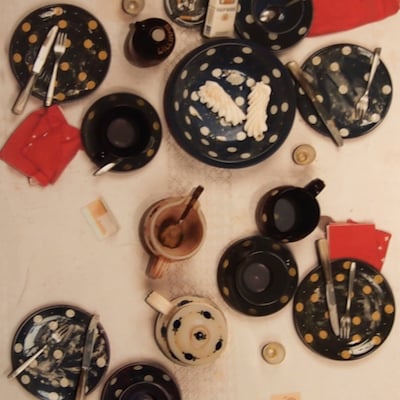
What is Nouveau Realism?
- Show All
- Established
- Discoveries
- Show All
Artworks Related to Nouveau Realism

Alex Katz
Ada 8 from Ada Portfolio 2, 2022
Limited Edition Print
Silkscreen
USD 18,000

Alex Katz
Ada 7 from Ada Portfolio 2, 2022
Limited Edition Print
Silkscreen
USD 18,000

Alex Katz
Ada 6 from Ada Portfolio 1, 2022
Limited Edition Print
Silkscreen
USD 12,000

Alex Katz
Ada 5 from Ada Portfolio 2, 2022
Limited Edition Print
Silkscreen
USD 9,700

Alex Katz
Ada 4 from Ada Portfolio 1, 2022
Limited Edition Print
Silkscreen
USD 12,000

Alex Katz
Ada 3 from Ada Portfolio 1, 2022
Limited Edition Print
Silkscreen
USD 9,700

Alex Katz
Ada 2 from Ada Portfolio 1, 2022
Limited Edition Print
Silkscreen
USD 24,000

Alex Katz
Ada 10 from Ada Portfolio 2, 2022
Limited Edition Print
Silkscreen
USD 15,750
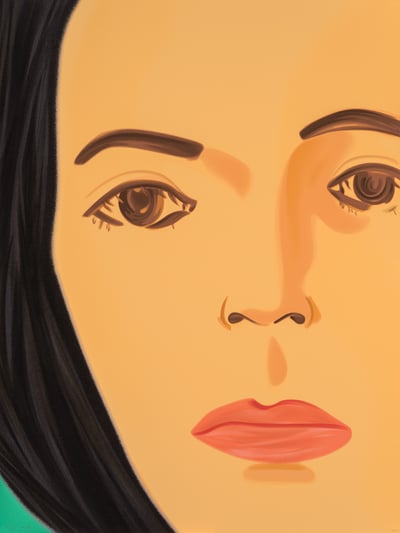
Alex Katz
Ada 1 from Ada Portfolio 1, 2022
Limited Edition Print
Silkscreen
USD 29,500

Javacheff Christo
Wrapped Trees Portfolio, 1997-1998
Limited Edition Print
Photograph
EUR 15,500
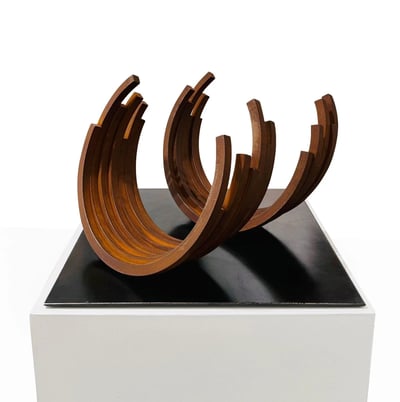
Bernar Venet
218.5 Arc x 13, 2007
Sculpture / Object
Metal
Currently Not Available
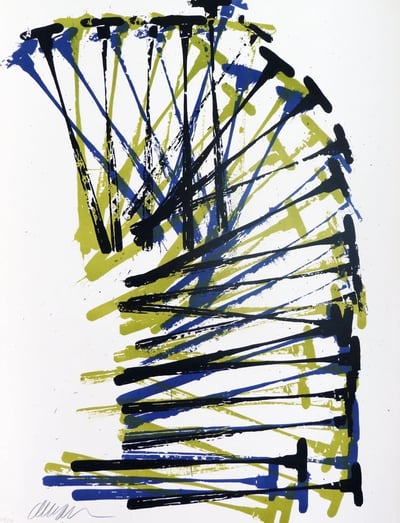
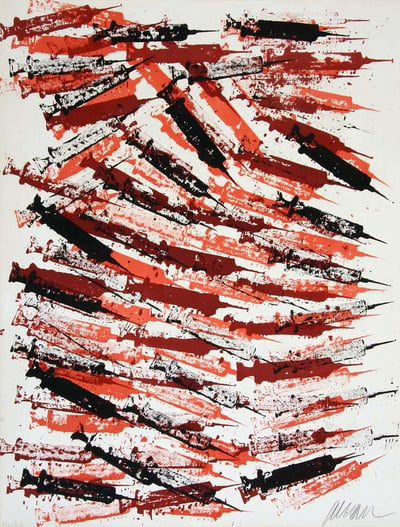
Fernandez Arman
Aesculapius hammer, 1977
Limited Edition Print
Lithograph
EUR 640
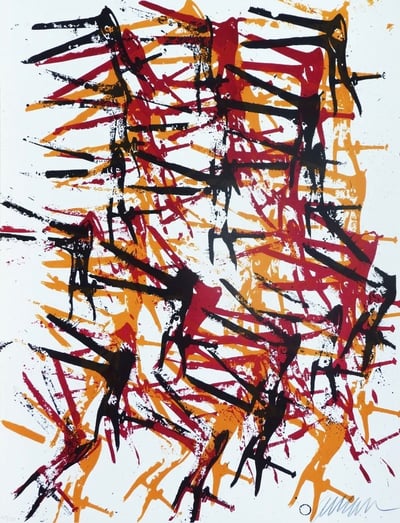
Fernandez Arman
Hypored, 1977
Limited Edition Print
Lithograph
EUR 640
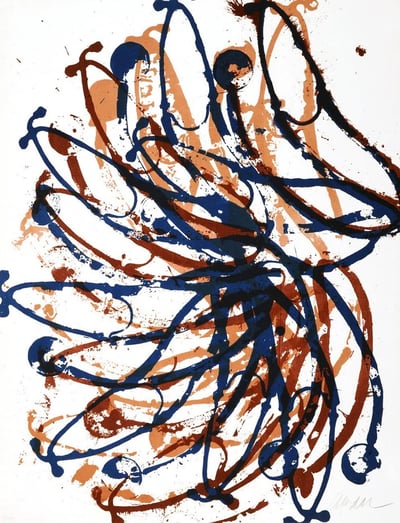
Fernandez Arman
Inside story, 1977
Limited Edition Print
Lithograph
EUR 640
Fernandez Arman
Rien ne bat plus, 1977
Limited Edition Print
Lithograph
EUR 640

Bernar Venet
Uneven Collapse: 11 Arcs, 2022
Sculpture / Object
Metal
Inquire For Price
Related Articles


The term medium in art refers both to the type of art being created and the materials used to make the artwork. For example, painting, printmaking, and sculpture are types of art that are referred to as mediums. The materials used in these mediums include oils, acrylics, inks, and clay.
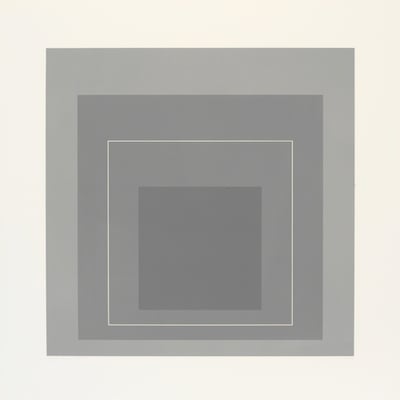
Concrete Art is an art movement founded by the Dutch artist Theo van Doesburg in the 1930s. The movement emphasizes pure abstraction, focusing on geometric shapes and colors without any reference to the natural world or symbolic meaning. Unlike other forms of abstract art, Concrete Art is entirely non-representational and is based on mathematical principles and precise execution. It aims to create universal, timeless works by using simple, clear forms that emphasize objectivity and clarity.

Known as Neo-Geo for short, this movement uses geometric objects and shapes to create abstract artwork as a metaphor for society. Inspired by various 20th-century art styles, including minimalism and pop art, Neo-Geo emerged in the 1980s as a response to the industrialization and commercialization of the modern world. The movement reflects on the impact of mass production, consumerism, and technology, often critiquing the superficiality of contemporary culture through its abstract, geometric compositions.
Can't find your Answer?
Thank you! Your question has been sent — we'll get back to you shortly.
