
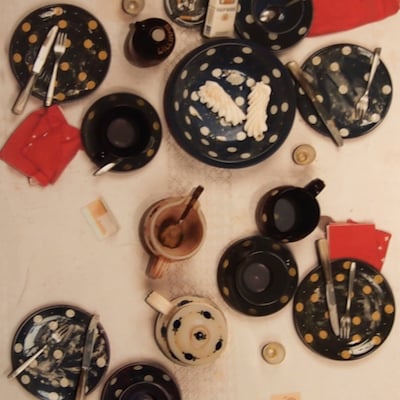
What is Nouveau Realism?
- Show All
- Established
- Discoveries
- Show All
Artworks Related to Nouveau Realism

Alex Katz
Grey Ribbon, 1990
Limited Edition Print
Screen-print
USD 5,500

Alex Katz
Ada with Sunglasses , 1990
Limited Edition Print
Screen-print
USD 9,200
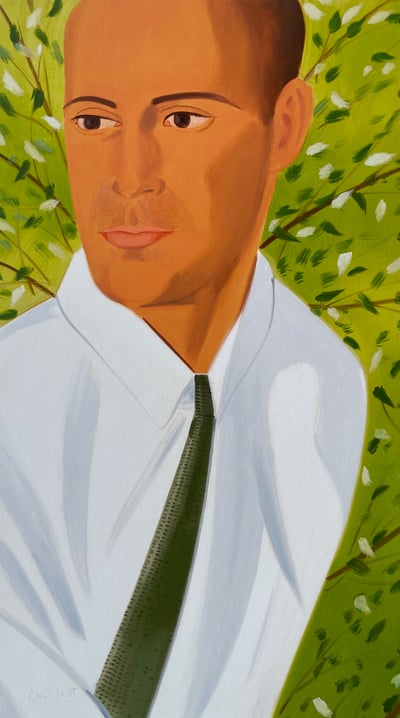
Alex Katz
White Shirt (Perry), 2021
Limited Edition Print
Pigment print
Inquire For Price

Alex Katz
White Shirt (Vincent 1), 2021
Limited Edition Print
Pigment print
Inquire For Price
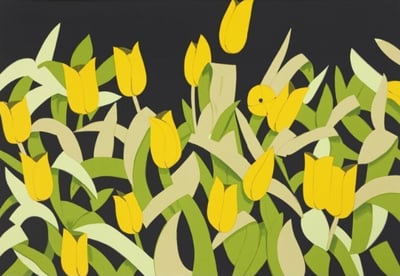
Alex Katz
Yellow Tulips, 2014
Limited Edition Print
Silkscreen
Inquire For Price
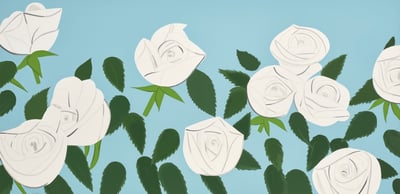
Alex Katz
White Roses, 2014
Limited Edition Print
Screen-print
EUR 55,000
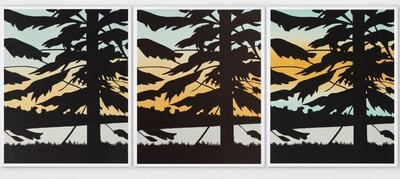
Alex Katz
Twilight (Portfolio of 3), 2009
Limited Edition Print
Aquatint
Inquire For Price
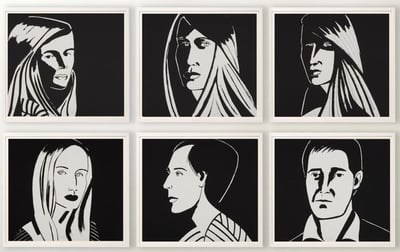
Alex Katz
Six Aquatints (Portfolio of 6), 2013
Limited Edition Print
Aquatint
Inquire For Price

Alex Katz
Reflection II, 2011
Limited Edition Print
Etching
EUR 7,500

Alex Katz
Harbor 10, 2006
Limited Edition Print
Aquatint
EUR 6,200

Alex Katz
Sissel, 2006
Limited Edition Print
Aquatint
EUR 6,200

Jean Tinguely
Fontaine Joe Syffert from Eight by Eight, 1984
Limited Edition Print
Screen-print
USD 1,300

Alex Katz
Black Hats IV, 2012
Limited Edition Print
Screen-print
USD 100,000 - 120,000

Alex Katz
Coca-Cola Girl 2, 2019
Limited Edition Print
Silkscreen
USD 17,750
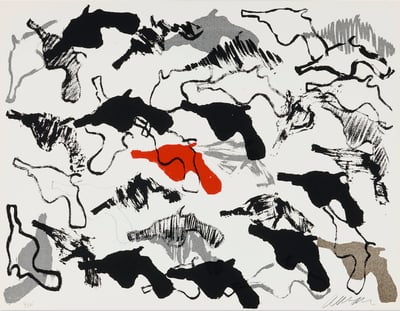
Fernandez Arman
Boom Boom, 1966
Limited Edition Print
Screen-print
Inquire For Price
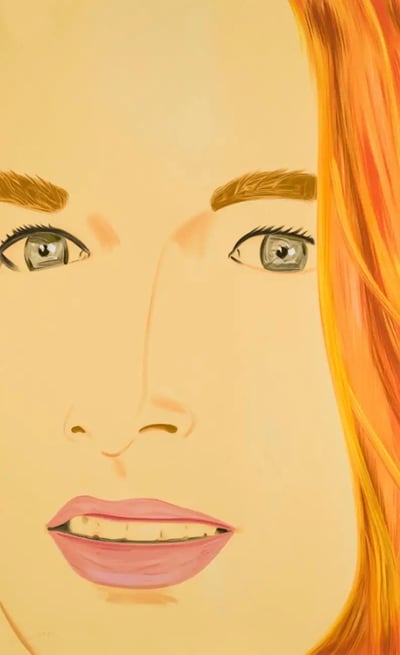
Alex Katz
Ariel 2, 2021
Limited Edition Print
Screen-print
Inquire For Price
Related Articles


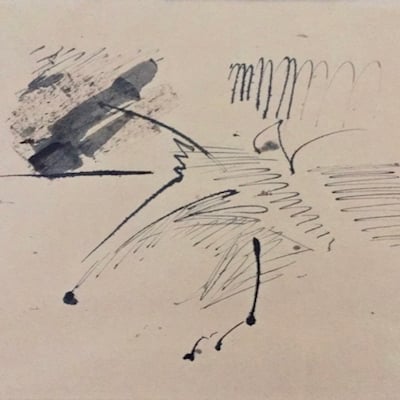
Art Informel is a French term referring to the gestural and improvisational techniques common in abstract painting during the 1940s and 50s. It encompasses various styles that dominated these decades, characterized by informal, spontaneous methods. Artists used this term to describe approaches that moved away from traditional structures and embraced more expressive, unstructured techniques.
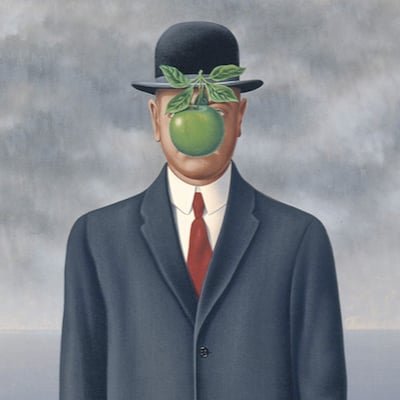
Surrealism began in the 1920s as an art and literary movement with the goal of revealing the unconscious mind and unleashing the imagination by exploring unusual and dream-like imagery. Influenced by Sigmund Freud’s theories of psychoanalysis, Surrealist artists and writers sought to bring the unconscious into rational life, blurring the lines between reality and dreams. The movement aimed to challenge conventional perceptions and express the irrational aspects of the human experience.
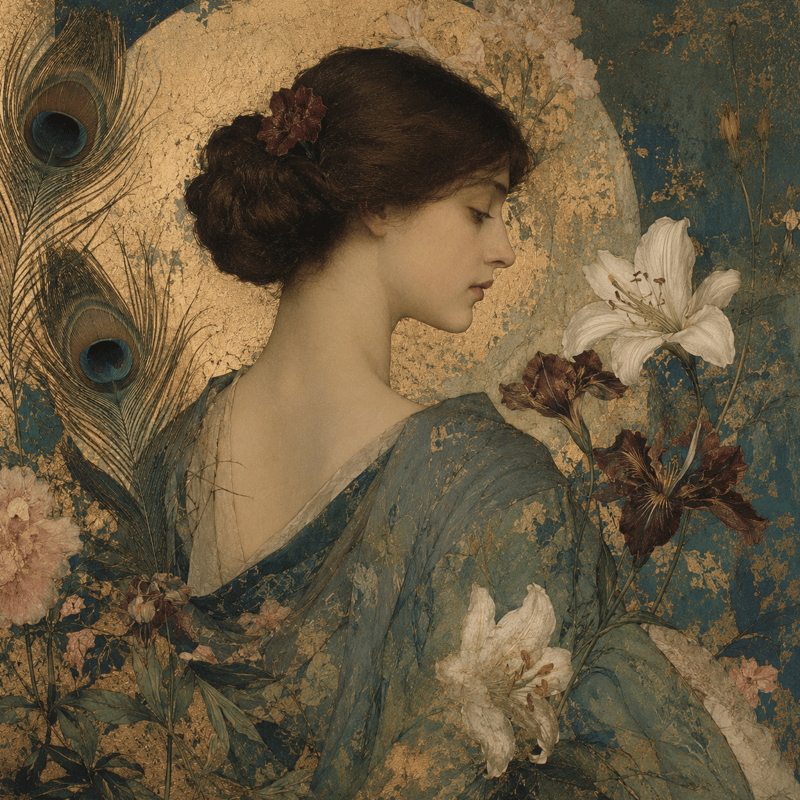
The Aesthetic Movement emerged in the late 19th century, emphasizing the beauty and sensual qualities of art over practical or moral considerations. It promoted the idea of creating art for its own sake, valuing beauty and aesthetic experience as ends in themselves. The movement was particularly influential in Britain.
Can't find your Answer?
Thank you! Your question has been sent — we'll get back to you shortly.
