

What is pop-art?
- Show All
- Established
- Discoveries
- Show All
Artworks Related to Pop art

Donald Sultan
Lantern Flowers - Yellow/White background, 2017
Limited Edition Print
Silkscreen
USD 4,250

Damien Hirst
The Cure (violet/electric red/powder blue), 2014
Limited Edition Print
Silkscreen
USD 14,250

Roy Lichtenstein
Dinnerware: One Setting, 1966
Sculpture / Object
Ceramic
USD 4,300

Kenny Scharf
Ratfinkbonerthunk, 1990
Limited Edition Print
Serigraph
Currently Not Available

Tom Wesselmann
Lulu, 1982
Limited Edition Print
Lithograph
Currently Not Available
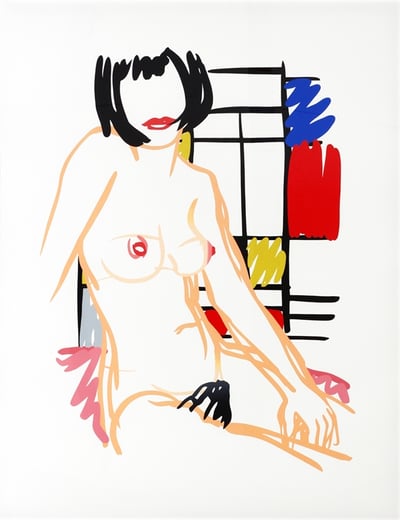
Tom Wesselmann
Monica sitting with Mondrian, 1989
Limited Edition Print
Screen-print
USD 40,000 - 45,000

James Rosenquist
Somewhere to Light, 1966
Limited Edition Print
Screen-print
USD 6,600

Mel Ramos
Suzy Soup, 2010
Limited Edition Print
Silkscreen
USD 6,600

Allan D'Arcangelo
Beginnings, 1975
Limited Edition Print
Mixed Media
USD 1,500

Mr. Brainwash
Love Splash, 2010
Limited Edition Print
Screen-print
USD 5,900

Mr. Brainwash
Follow Your Dream (Martin Luther King Jr. and Malcolm X), 2008
Limited Edition Print
Screen-print
USD 4,325

Mr. Brainwash
All You Need Is Love (Lennon), 2010
Limited Edition Print
Silkscreen
USD 4,735

Robert Indiana
Love (BlueBlack Yellow Red), 1996
Limited Edition Print
Silkscreen
USD 12,125
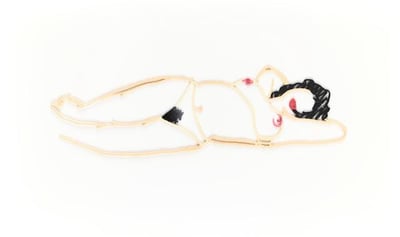
Tom Wesselmann
Hedy Sandpaper, 1985-90
Limited Edition Print
Mixed Media
USD 22,500

Yue Minjun
Untitled (Smile-ism No. 9), 2006
Limited Edition Print
Lithograph
USD 3,750

Richard Prince
Untitled (from Upstate - garage), 1998
Photography
Photograph
USD 6,000
Related Articles



A movement and style in art that originated in Italy during the 1960s. It integrates elements of minimalism, performance art, and conceptual art by using everyday or seemingly worthless materials, such as newspapers, stones, or rags. The goal was to challenge and subvert the commercialization of art.

Also known as Dadaism, Dada was a literary and artistic movement that began in 1916 in Zurich, Switzerland. It emerged as a rejection of rationalism and nationalism, which were seen as contributing factors to World War I. The movement had political undertones and was strongly anti-war. Dada activities included demonstrations, gatherings, and the publication of literary and art journals that explored cultural and political topics.
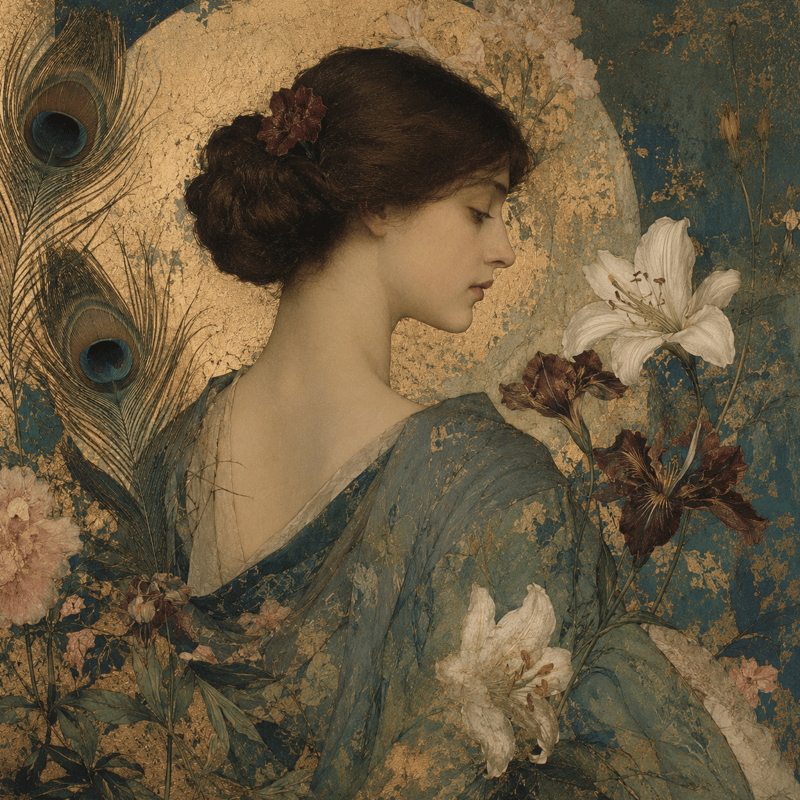
The Aesthetic Movement emerged in the late 19th century, emphasizing the beauty and sensual qualities of art over practical or moral considerations. It promoted the idea of creating art for its own sake, valuing beauty and aesthetic experience as ends in themselves. The movement was particularly influential in Britain.
Can't find your Answer?
Thank you! Your question has been sent — we'll get back to you shortly.
