

What is pop-art?
- Show All
- Established
- Discoveries
- Show All
Artworks Related to Pop art
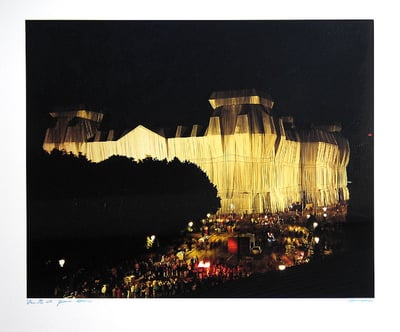
Javacheff Christo
Reichstag/Berlin Nacht, Wrapped, 1995
Limited Edition Print
Photograph
EUR 10,000
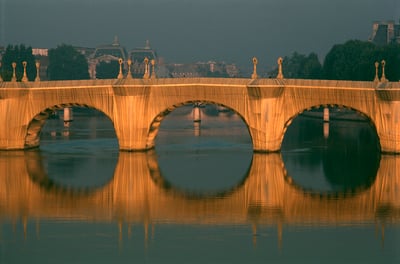
Javacheff Christo
The Pont Neuf Wrapped Reflecting Bridge PN-150, 1985
Limited Edition Print
Photograph
EUR 14,000

Andy Warhol
Myths: Mammy, II.262, 1981
Limited Edition Print
Screen-print
USD 35,000 - 40,000

Andy Warhol
Blackglama (Judy Garland), 1985
Limited Edition Print
Screen-print
USD 35,000 - 40,000
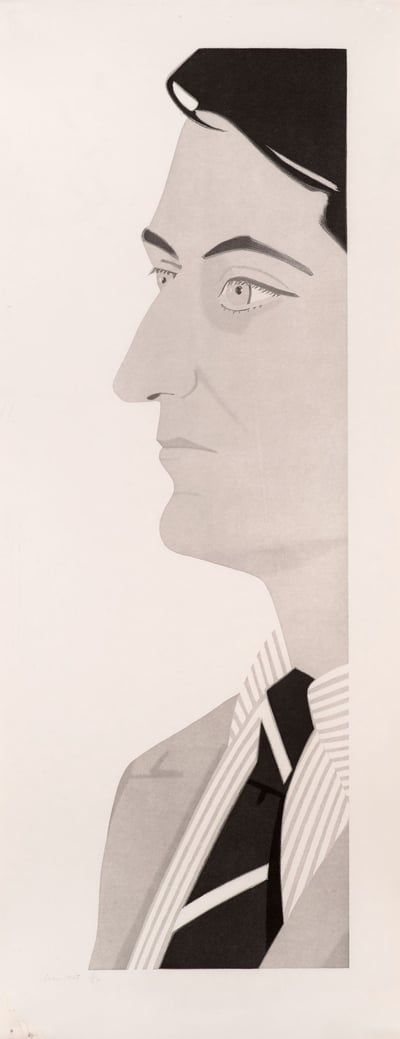
Alex Katz
John Ashbery, 1986
Limited Edition Print
Aquatint
USD 6,190
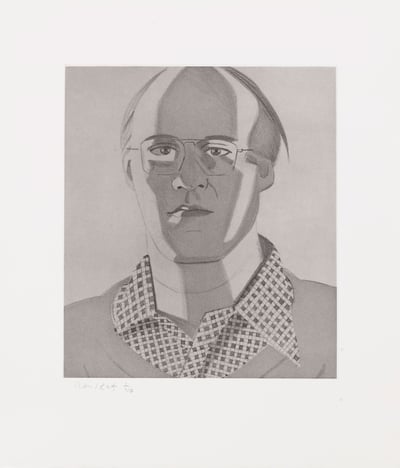
Alex Katz
Give Me Tomorrow 7, 1983
Limited Edition Print
Mixed Media
USD 1,750
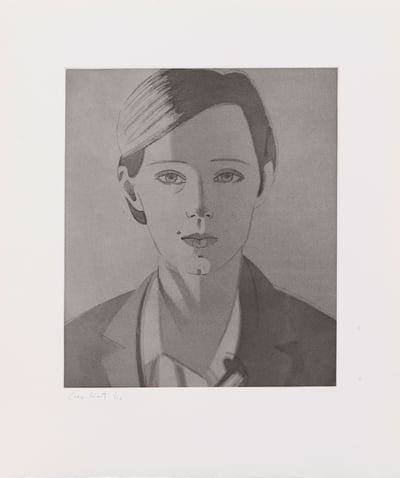
Alex Katz
Give Me Tomorrow 6, 1983
Limited Edition Print
Mixed Media
USD 1,750

Alex Katz
Give Me Tomorrow 5, 1983
Limited Edition Print
Mixed Media
USD 1,750
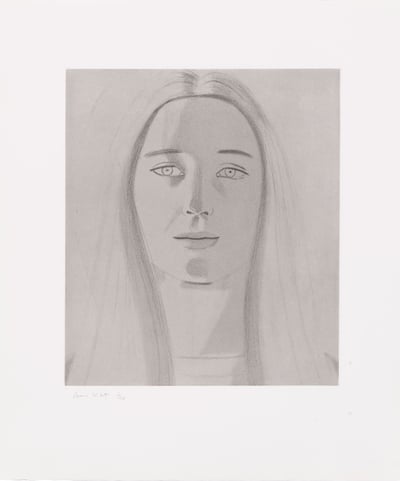
Alex Katz
Give Me Tomorrow 4, 1983
Limited Edition Print
Mixed Media
USD 1,750

Alex Katz
Give Me Tomorrow 3, 1983
Limited Edition Print
Mixed Media
USD 1,750
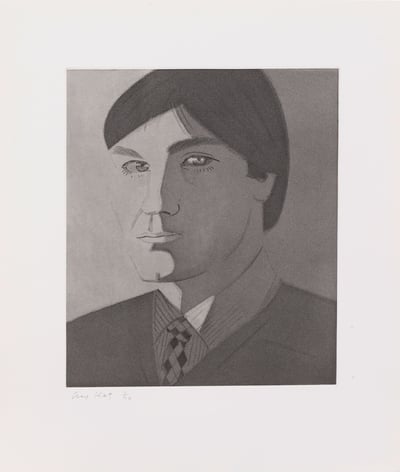
Alex Katz
Give Me Tomorrow 1, 1983
Limited Edition Print
Mixed Media
USD 1,750
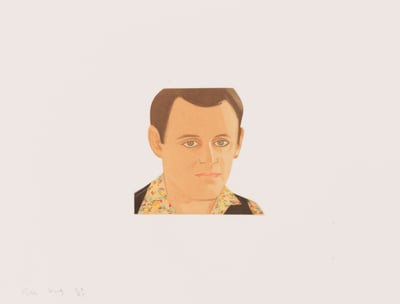
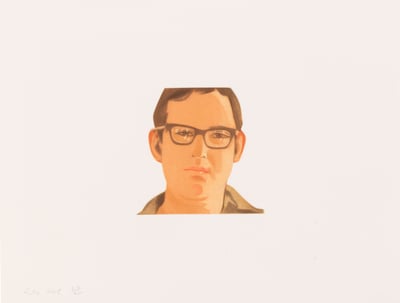
Alex Katz
Face of the Poet 6, 1978
Limited Edition Print
Aquatint
USD 2,700
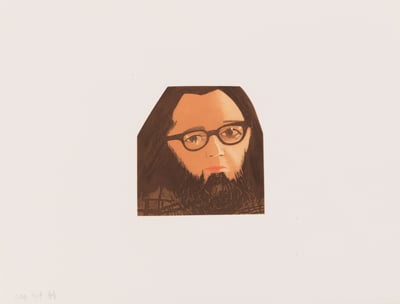
Alex Katz
Face of the Poet 5, 1978
Limited Edition Print
Aquatint
USD 2,700
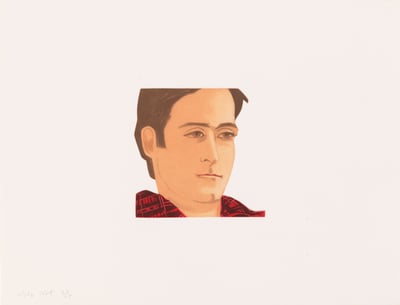
Alex Katz
Face of the Poet 4, 1978
Limited Edition Print
Aquatint
USD 2,700
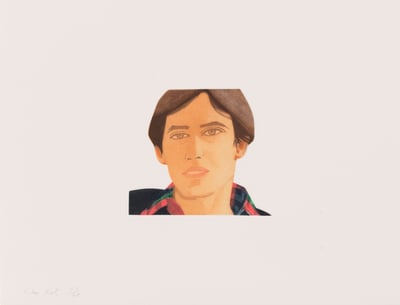
Alex Katz
Face of the Poet 3, 1978
Limited Edition Print
Aquatint
USD 2,700
Alex Katz
Face of the Poet 2, 1978
Limited Edition Print
Aquatint
USD 2,700
Related Articles


Viennese Actionism was a short-lived but intense art movement in the 20th century, emerging as part of the broader action art efforts of the 1960s. Known for its violent and provocative performances, the movement sought to break traditional art boundaries. Key figures in this movement included Arnulf Rainer and Hermann Nitsch.

Junk art is a form of art that demonstrates how any material or object can be used to create a wide range of paintings, sculptures, installations, and assemblages. Many Junk Art pieces are made using ordinary materials found in everyday life. By applying artistic knowledge and skills, artists can transform these common objects into remarkable works of art.

Massurrealism is a portmanteau word coined by American artist James Seehafer in 1992. He observed a trend among postmodern artists who blended themes and aesthetic styles with mass media, including elements of pop art. Massurrealism is a development of surrealism that emphasizes the technological effects on the imagery of contemporary surrealism. The key difference between massurrealism and surrealism is that the latter was founded in Europe at the beginning of the 20th century, while massurrealism is rooted in the influence of modern technology and media.
Can't find your Answer?
Thank you! Your question has been sent — we'll get back to you shortly.
