

What is pop-art?
- Show All
- Established
- Discoveries
- Show All
Artworks Related to Pop art

Mr. Brainwash
All you need is He(Art), 2021
Limited Edition Print
Screen-print
USD 1,200
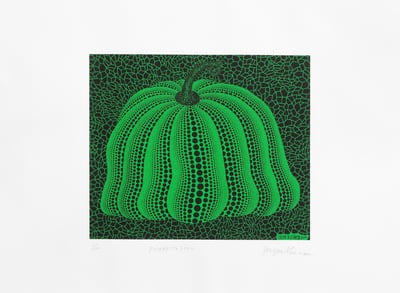
Yayoi Kusama
Pumpkin 2000 (Green), 2000
Limited Edition Print
Screen-print
GBP 40,000 - 60,000

Ed Ruscha
Cash for Tolls 1 (from Rusty Signs), 2014
Limited Edition Print
Mixed Media
USD 20,000 - 25,000

Ed Ruscha
Cash for Tolls 2 (from Rusty Signs), 2014
Limited Edition Print
Mixed Media
USD 20,000 - 25,000
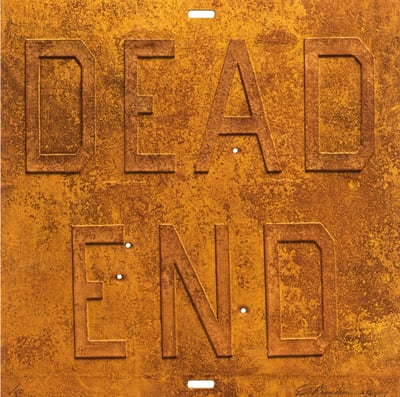
Ed Ruscha
Dead End II (from Rusty Signs), 2014
Limited Edition Print
Mixed Media
USD 20,000 - 25,000
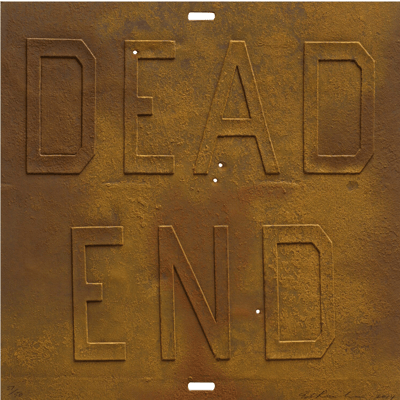
Ed Ruscha
Dead End III (from Rusty Signs), 2014
Limited Edition Print
Mixed Media
USD 20,000 - 25,000
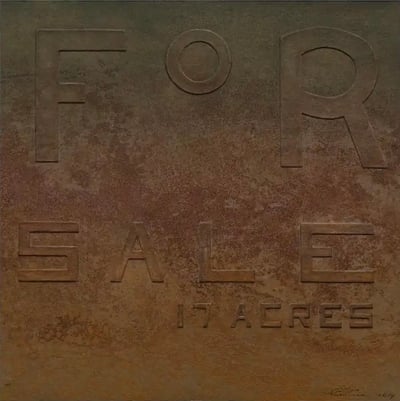
Ed Ruscha
For Sale 17 Acres (from Rusty Signs), 2014
Limited Edition Print
Mixed Media
USD 20,000 - 25,000

Alex Katz
Chance 3 (Darinka), 2016
Limited Edition Print
Silkscreen
USD 20,000 - 25,000

Alex Katz
Wildflowers, 2017
Limited Edition Print
Silkscreen
USD 20,000 - 30,000
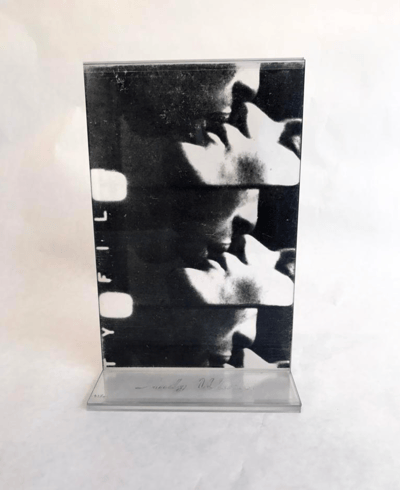
Andy Warhol
The Kiss, II.8, 1966
Sculpture / Object
Mixed Media
USD 25,000 - 30,000

Andy Warhol
Self-Portrait II.16, 1966
Limited Edition Print
Lithograph
USD 34,500
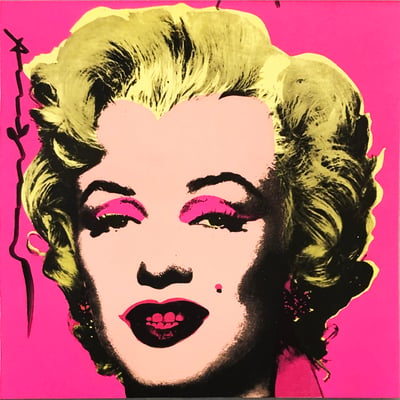
Andy Warhol
Marilyn (Announcement), 1981
Limited Edition Print
Screen-print
USD 14,400

Ed Ruscha
Sin, 1970
Limited Edition Print
Lithograph
USD 20,000 - 30,000

Alex Katz
Red Dancer 2, 2019
Limited Edition Print
Silkscreen
USD 25,000 - 30,000

Julian Opie
Medieval Village 4, 2019
Limited Edition Print
Mixed Media
USD 4,400

Julian Opie
Cornish Coast 2: Lantivet Bay, 2017
Limited Edition Print
Mixed Media
USD 7,800
Related Articles


Mail Art is a populist art movement centered on the creation and exchange of small-scale artworks through the postal service. It developed out of the Fluxus movement in the 1950s and 1960s and has since evolved into a global art movement. Ray Johnson is recognized as the first mail artist, and his New York School is considered the first network of mail artists. Mail artists rely heavily on a network to exchange their works, often creating a community of artists connected through the postal system.

A plate is a broad, primarily flat vessel used for serving food, but it can also serve ceremonial or decorative purposes. Plates are typically circular, though they can be any shape and made from various water-resistant materials. Most plates have raised edges, either by curving upward or featuring a wider lip. Vessels without a raised edge or with a more rounded profile are often considered bowls or dishes, while very large, plate-shaped vessels might also be classified as dishes.

A Catalogue Raisonné is an annotated and comprehensive listing of all the known works of an artist. It includes detailed information that helps to identify and authenticate the artist's output across all media or within a specific medium. Typical details in a catalogue raisonné include the title, dimensions, date, medium, and current location of each work. This resource is essential for scholars, collectors, and art historians in tracking and verifying the complete body of work by an artist.
Can't find your Answer?
Thank you! Your question has been sent — we'll get back to you shortly.
